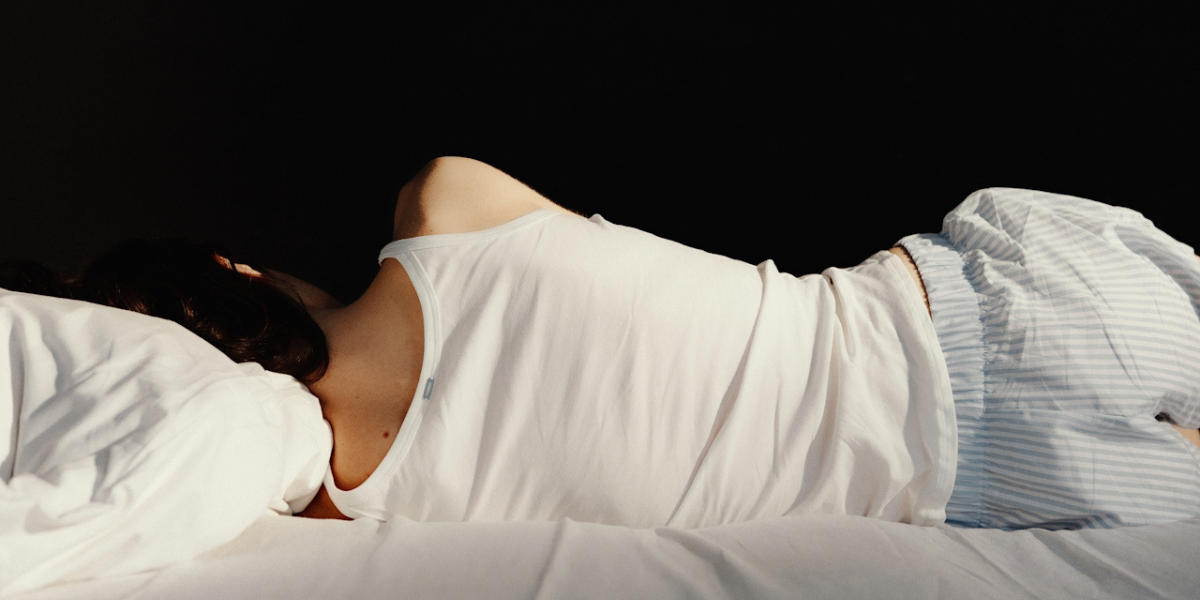
We haven’t exited the first quarter of 2026 and with how things are proceeding, I thought my wisdom on the topic of self-soothing to reduce stress was worth sharing.
Self-soothing is any individualized practice a person performs with the goal of calming themselves. Children and animals do it instinctively by clutching a blanket or nibbling on a comfort object. Things are a bit different for adult humans. We tend to lose focus on self-soothing as we enter adulthood despite the fact that life often gets more stressful with age.
I think these important habits became a casualty of a hyper-individualistic society that also emphasizes productive capacity, which is very beneficial to our employers and the corporatocracy above, but wholly unsustainable for people. People raised to be masculine suffer their own version of this loss via the steady removal of comfort and their right to express emotions. The survivors of that process often have to relearn it in adulthood after things have gone wrong and they’re without good coping measures.
Stress is an immutable part of life, but we all have capacity to moderate some of our responses to stress. As usual, we have to do everything our darn selves, including comforting our strained minds.
The natural response to Bad Things
Self-soothing is instinctive behavior we lean on when under stress. As adults, we can consciously tap into it by looking at our self-soothing behaviors and identifying the need being satisfied. You don’t need to look far to see the signs—just as far back as recent stressful times. The magnitude of these personalized behaviors also matters. It’s normal to realize that the things you need to calm down a panic attack are a more intense version of your day-to-day stress relief. Think about those parts of yourself.
Think of posture: Did you flop onto a comfortable surface for a break, or or tighten your limbs close to your body to feel centered?
Think of audio: Are we letting off steam on a night out, or settling in with white noise and the sounds of home?
Think of temperature: Do you always reach for the cool side of the pillow when you can’t sleep, or brew some tea to close the day off?
Think of life: Is going for a run with a dog your favorite way to recharge, or do you need the sounds of birds outside the window?
Think of childhood habits: Did people remark on your need for ‘quiet time’ during childhood, or were you content to lose yourself in a gaming console?
These examples are a shortlist of needs we satisfy when we’re stressed. Each item there exists on a spectrum, but there’s no need for picking one or the other. I spend most nights at home in a tightly-managed sensory environment. Away from people. But I also get the pent-up need for nightclubs and bars. The only right sensation is one that’s comforting to you in the moment, and sustainable.
After you’ve identified the needs you usually satisfy, you can find related activities. Even people who are very specific about their space and comfort (like me) can invite new forms of comfort into our day. Put them into a journal to try out or just commit them to the to-do list as a positive item if that’s your thing.
A simple example: Every time I’ve had a panic attack, I needed to be away from noise. I climbed into my bed if I could, my safe place. I would also hold a comfort object tightly — preferably a plushie or trusted person. When panicking, I would also push my nose into the nearest ‘good’ smell to prevent the inevitable headache. Lots of hydration will make me feel better, but my appetite vanishes in those events. These behaviors resemble how I react to day-to-day stresses. I usually plop a plush toy on my lap before I start writing. I cross my legs and bounce my leg vigorously when I’m uneasy. I never eat while I’m working, but something cool to drink is a must. My hair is always lightly perfumed with my favorite scent. I don’t leave the house on most days — that perfume is for me.
From that baseline knowledge, I’ve picked up new self-soothing activities that suit me.
I now have a winter blanket in my preferred texture (cool, synthetic, smooth) that gives the impression of weight on my lap. Alcohol doesn’t have a place in my life, but cold and fruity drinks are immediately comforting to me. That explains the sudden array of fruit juices in my fridge. My feet need movement and pressure, so a 3D-printed massage ball is always somewhere under the desk. Oh, and I’ve been exploring new testers from my favorite perfumery to find more scents that can brighten up my pillowcases and hair.
My thought process makes sense, right? That’s how I found new and relevant self-soothing activities to me over time.
The reason I outlined a thought process rather than tossing another ’10 Ways to Reduce Stress’ article into the bonfire is because I know first-hand the diversity of human stress and coping. I know that many people find jogging or making a home-cooked meal to be incredibly centering. I also know that those would be intensely destabilizing to my lifestyle. No two people have identical needs for comfort, so an actionable thought process is far more useful than a list of suggestions.
Most mammals are consistent in comfort-seeking: warmth, shelter, familiarity, and pressure. Cats pin down their kittens for grooming and bear clubs clutch each other for comfort. Humans are much more diverse in our stressors and coping preferences. Weirdly, the species that invented tax returns didn’t put nearly as much effort into counteracting stressors of our own creation. The best I can do is outline some of my tools for meeting my body’s stress in a way that matches its needs. I hope you find yours too.
Anyway, you are now manually breathing.