





If you have struggled to adjust to a life without Pluribus, I’m right there with you. For eight beautiful weeks in 2025, this series occupied my mind, and I ended up writing over 30,000 words about the first season in my recaps. Recently, I caved and asked my “fic librarian” friend (yes, an unofficial librarian of fanfic) to hit me with some Pluribus recs. But ultimately what I think I’m craving is just really good apocalyptic or near-apocalypse stories that are meaty and complex in their allegorical work and criticisms of existing societal structures and human behavior. I want to read about people making perhaps questionable decisions at the end of the world. I want to read about how capitalism and big tech are attempting to morph us into complacent, docile, collapsible masses. And so, I’ve put together this starter list of queer novels to read that might scratch some of those itches. A lot of them are alien invasion stories, though not all. If you have more that come to mind, please let me know! I’m giving you recs, but I want recs, too!
The Seep by Chana Porter

Queer and trans speculative novelThe Seepfollows trans woman Trina FastHorse Goldberg-Oneka and her wife Deeba whose lives are upended by the invasion of an alien entity known as the titular Seep. Steeped in grief and loneliness much likePluribus,The Seepoffers up a supposedly utopian alien remaking of the world where advanced technology can get people just about anything they want. SOUND FAMILIAR?
You Weren’t Meant To be Human by Andrew Joseph White
An alien invasion hits the rural West Virginia community at the heart of this horror novel, which follows autistic trans man Crane. The alien forms take the shape of hyper-intelligent masses of worms, called “the hive,” around which cults of human followers have formed. Without giving too much away: Crane’s bodily autonomy is violated by his abusive partner and the hive. Pluribus parallels abound.

Smothermoss by Alisa Alering

While not quite as overtly connected to Pluribus, I can’t think of You Weren’t Meant To Be Human without also thinking of Smothermoss, another work of literary horror set in Appalachia. It’s set in the 1980s and follows sisters Angie and Sheila. Sheila stashes away money in the hopes of one day getting out of her life, and she also is carrying the secret of her overwhelming queer desires. The mountain they live on is a character itself, and when two women are murdered while hiking on the nearby trails, it throws the sisters, community, and mountain into violent crisis. It’s a strange and immersive book, and its eerie and unsettling touches remind me a lot of the visual and atmospheric work done in Pluribus.
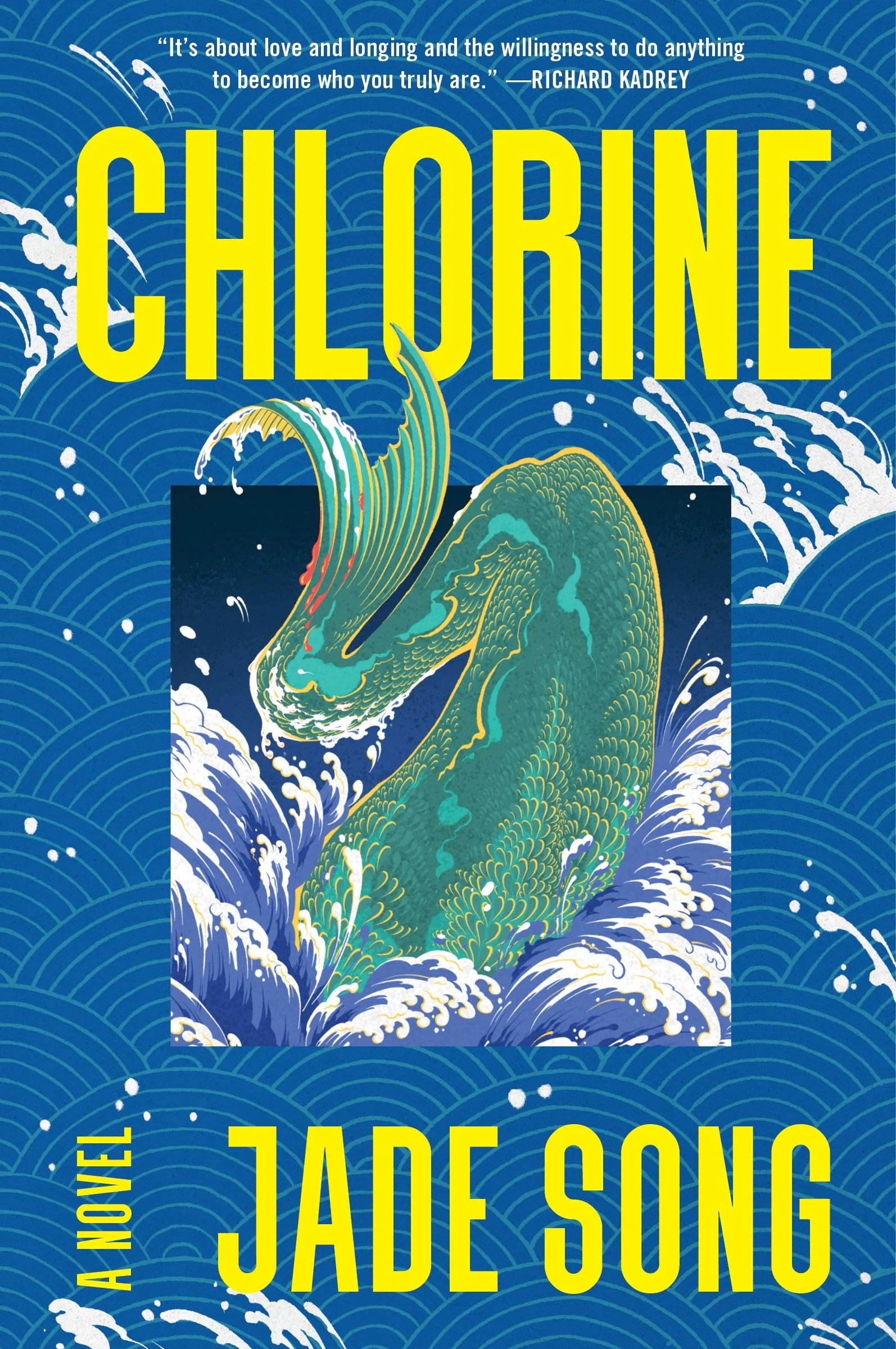
Chlorine by Jade Song
This is another one where the parallels to Pluribus might not feel obvious, but it belongs to the literary canon of strange, immersive lesbian-led horror that I think Pluribus fans will love to read. It’s a coming-of-age story about a young queer Chinese American girl who competitively swims and who might just be turning into a mermaid.
An Unkindness of Ghosts by Rivers Solomon

In truth, just about all of Rivers Solomon’s work has a place on this list, often excavating themes of capitalism, patriarchy, and other oppressive systems through a horror and/or sci-fi lens. I went with An Unkindness of Ghosts because it’s probably my favorite. It’s set in the future and in space, aboard a generation ship governed by a racially stratified class structure. Dystopian, queer, and deeply critical of systems of power, there’s definitely some connective tissue here with Pluribus.
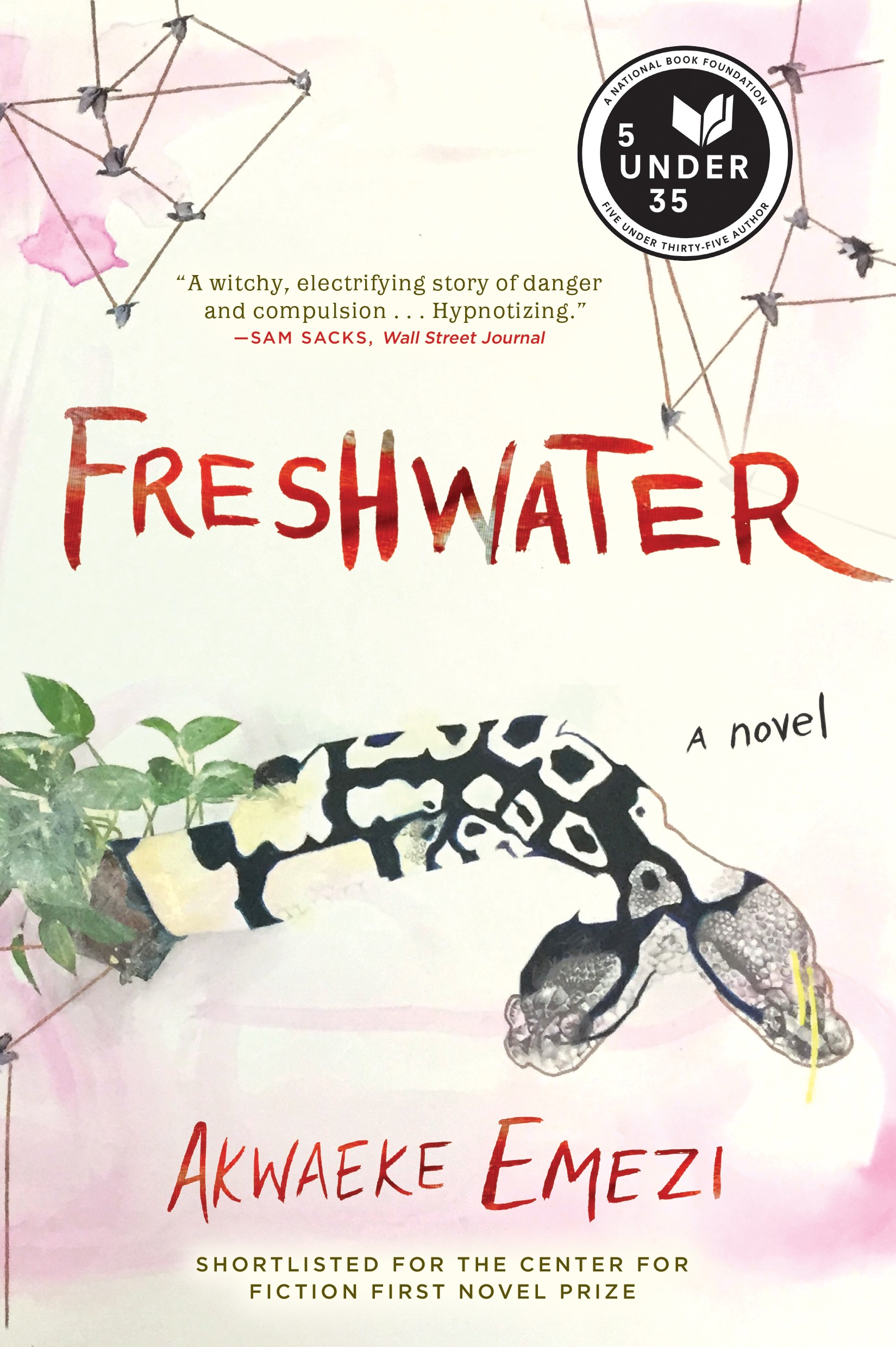
Freshwater by Akwaeke Emezi
It is extremely difficult to describe this brilliant novel from Akwaeke Emezi, whose range in their career is striking. I’ve chosen it here for slightly unconventional reasons, but that feels fitting as it is a novel that completely defies convention. The chorus of “we” obviously has a particular connotation and meaning in Pluribus, and while it isn’t exactly the same here, a “we” voice is adopted, the protagonist developing multiple selves who guide the narrative. It imagines a different sort of “self” entirely, and isn’t Pluribus doing that in its own divergent way?
The Unworthy by Agustina Bazterrica, translated by Sarah Moses

I will continue to shout about this book until more people have read it. Set in a near future when the world has been ravaged by climate crisis, it focuses on a woman cloistered in an ultra religious compound known as the Sacred Sisterhood. Our protagonist trades her agency and comfort for protection from the outside world, where whole cities have been wiped out by floods and there is no more electricity or internet. When a stranger rom outside the Sacred Sisterhood makes her way in, the narrator reflects on what brought her here in the first place. As Carol’s story in Pluribus toward the end of the season reveals, it can feel natural to adjust to the end of the world once it becomes your new normal. But there’s nothing normal about a life that is not actually your own.
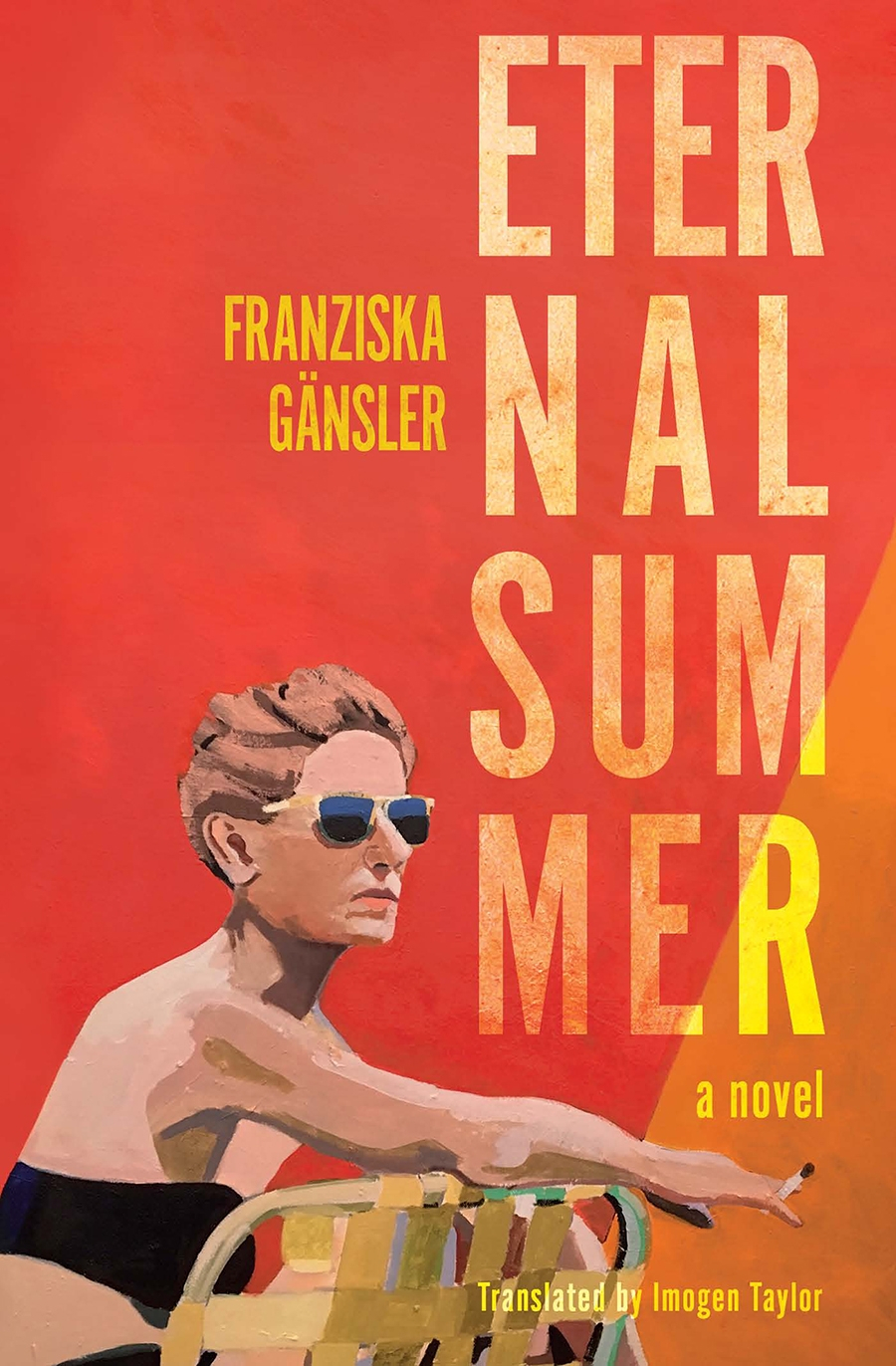
Eternal Summer by Franziska Gänsler, translated by Imogen Taylor
When a woman and her young daughter arrive to a German spa town overtaken by raging fires, hotelkeeper Iris is suspicious she could pose a threat. Slow-paced like Pluribus (and I mean that as a good thing), Eternal Summer unfurls as a tense thriller against the backdrop of climate collapse, with the dynamic between these two women acting as the story’s fuel.
The Membranes by Chi Ta-wei, translated by Ari Larissa Heinrich
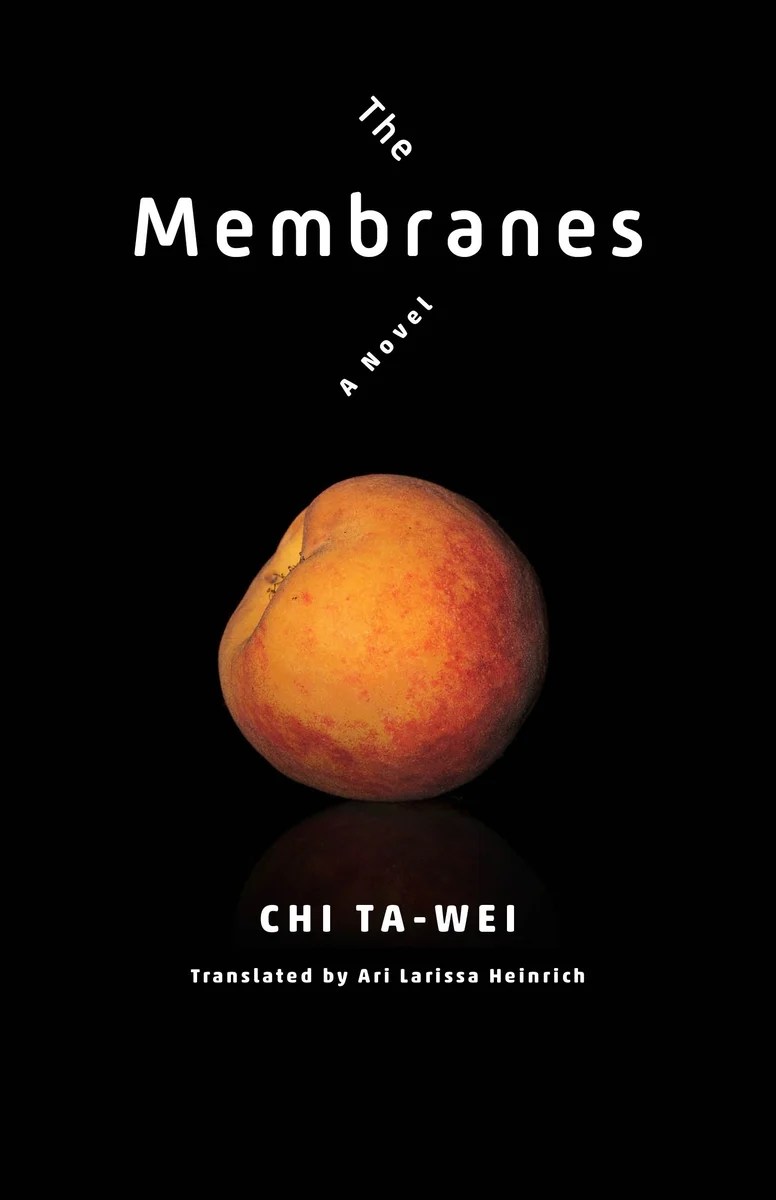
If you clocked that I’m including several works in translation on this list, it’s because I indeed think people need to be reading more works in translation. And one of my personal takeaways from Pluribus is we need to recognize the value and meaning of experiences, cultures, and realities outside our own. The Membranes is a dystopian novella about Momo, a celebrated dermal care technician. Due to climate crisis, humans have built domes at the bottom of the sea to live in, and society is ruled by powerful media conglomerates that run on exploited cyborg labor. This book was originally published in 1995, so some of its LGBTQ+ storylines —which explore transness and lesbianism —might feel a little dated to modern readers, but it’s a prescient little book that offers a lot to chew on.
The Tiger Flu by Larissa Lai
Of course, I had to include some queer pandemic novels on this list, and The Tiger Flu is one of the best. While Pluribus is subtle and minimalist in its world-building, this novel by contrast goes big from the very first page. But it manages to tell a story about societal collapse and an imagined future in a way that feels sprawling and intimate all at once. It touches on isolation, technology, disease, community, power, and resistance —all themes abundant in Pluribus.

I Keep My Exoskeletons To Myself by Mac crane
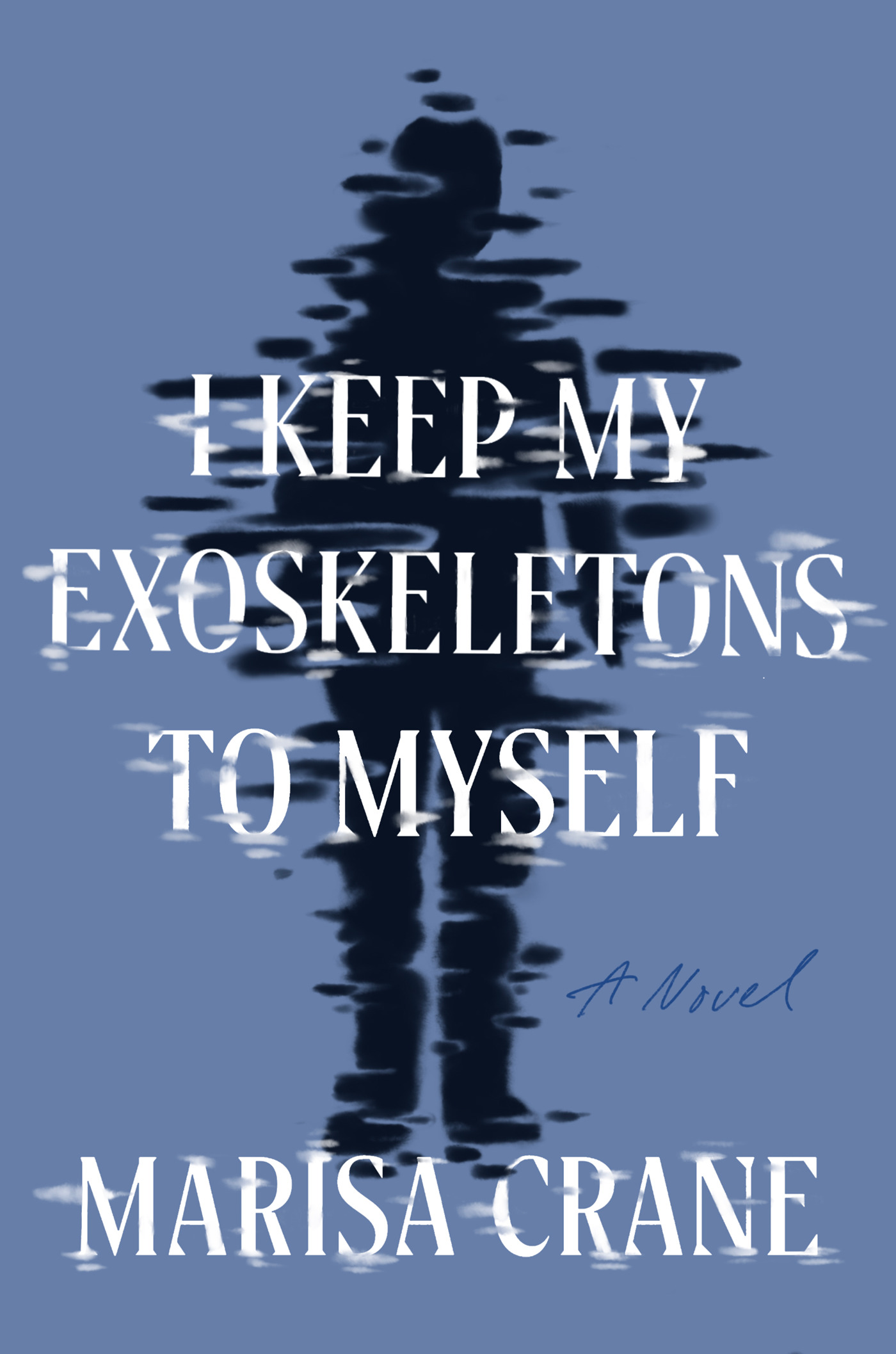
I found myself often thinking of surveillance while watching Pluribus, and I Keep My Exoskeletons To Myself is a speculative novel that amplifies the horrors of the surveillance state. In it, the protagonist grapples with grieving the loss of her wife, not unlike our Carol at the start of Pluribus. It’s also about pushing back against a corrupt system and fighting for control over one’s life.
Land of Milk and honey by C Pam zhang
Something I haven’t had an opportunity to write about yet but deeply want to is the role food plays in Pluribus. A great exploration of food and flavor at the end of the world, Land of Milk and Honey is set against environmental collapse, forcing our chef narrator to take a job working for a mysterious food research group at the Italian-French border. There, she has access to rare ingredients but also glimpses the lengths powerful people are going to to remake the world. It is very much about appetites:literal hunger, ambition, and queer desire, too.

The Left Hand of Darkness by Ursula le guin

Carol Sturka is actually seen reading this classic Le Guin novel poolside on her globetrotting multi-week date with Zosia. If you haven’t read it, stop reading this list and go do so immediately. In the simplest of terms, it tells a sprawling sci-fi journey of a human arriving on an icy planet called Winter where all the inhabitants are genderfluid and society is not governed by the strict binaries of gender and sex.


Comments
I AM REALLY MISSING PLURIBUS so thank you for this
‘Our Wives Under the Sea’ by Julia Armfield is not quite dystopian but it fulfills that strange, aching, empty feeling of a slow grief for something that has irreversibly changed, and your partner is no longer who they used to be.
I found ‘Chlorine’ didn’t quite go hard enough for me on the sapphic content or the body horror aspect, but it was a perfectly good read if you want it to go by quickly. I’m interested in seeing where Jade Song goes next, I think she has good writing.
I’ll be checking out the books on this list, thank you for including translated works.
i almost put Our Wives Under the Sea on here but I have been putting it on like every book list i write for this website since it came out LOL. tbh Private Rites, also by Julia Armfield, also fits the vibe of this list. queer climate crisis novel about three sisters that’s a loose retelling of King Lear
I was tempted to suggest ‘Private Rites’, but I haven’t read it yet and it felt weird to recommend it without having read it! I’m super keen for the other books on this list 💖
Yes more people should read The Membranes!!!! It was absolutely willing to get odd and unsettling with it and make you think and it was fantastic.
Another great one which isn’t quite a dystopia but also is a future of climate difference and time loops and such is Tentacle by Rita Indiana (also in translation)!
The Seep mentioned! Ugh I love that book and the premise of Pluribus of course made me think back to it immediately. Thanks for elevating a fave! Lots of other good recs to add to my reading list too… 👀✍🏻
Lavender Speculation is another good option!
Thank youuuu for putting Seep on here! I haven’t watched Pluribus, but when I heard about its plot I was like, “Wait, is this an adaptation?” I own a copy and am going to move it up my list to reread this year.
You Weren’t Meant to Be Human has been on my mind since I read it, as has Land of Milk and Honey! No spoilers but both had scenes at the climax that are masterclasses in gore in literature. Added many of these to my TBR, thank you!!
I just finished The Land of Milk and Honey that I got because of this list and I absolutely loved it 🙏