





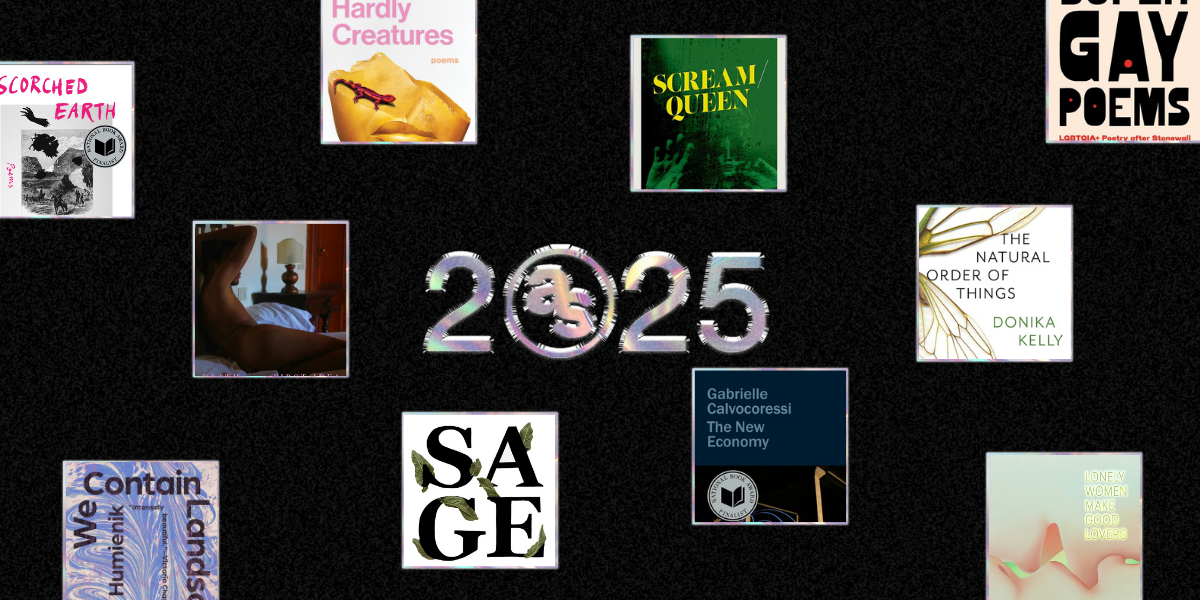
During a time as turbulent as 2025, being able to spend time off my phone and with a book has kept me afloat. Among those books are some of what I would consider the best queer poetry releases of the year. Compiled here for you, here are the books that shaped my year, gave it meaning, and gave me hope for the next one.
Also, be sure to check out our accompanying list of the best queer books of 2025!
The New Economy by Gabrielle Calvocoressi (Copper Canyon Press)
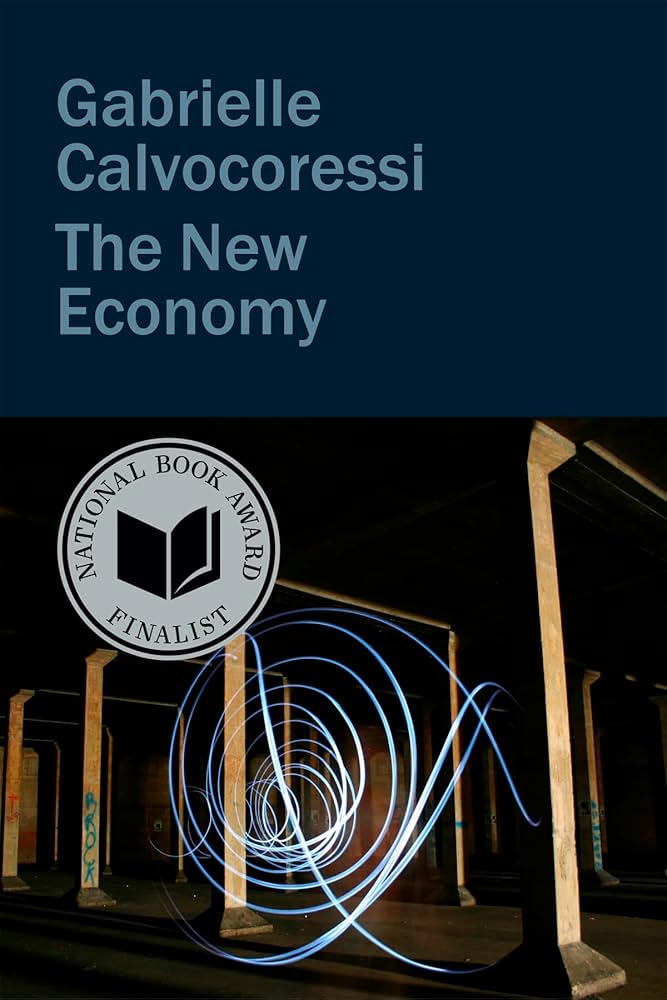
In this book described as “a devotional to the ungendered vessel as it ages, dreams, and survives,” Gabrielle Calvocoressi examines the strange reality of living between gendered margins. What does it mean to both long for a different body than the one you were born with, and to fiercely take up the mantle of protecting it nevertheless? Despite turns that feel desolate or hopeless, Calvocoressi is a master at finding the small specks of light through the cracks in even the darkest, most underground dungeons. It is not a naive collection. Rather, it is a radical examination of how perseverance requires joy, and requires the desire to achieve it. Just like their other works, The New Economy is achingly alive.
Hardly Creatures by Rob Macaisa Colgate (Tin House Books)
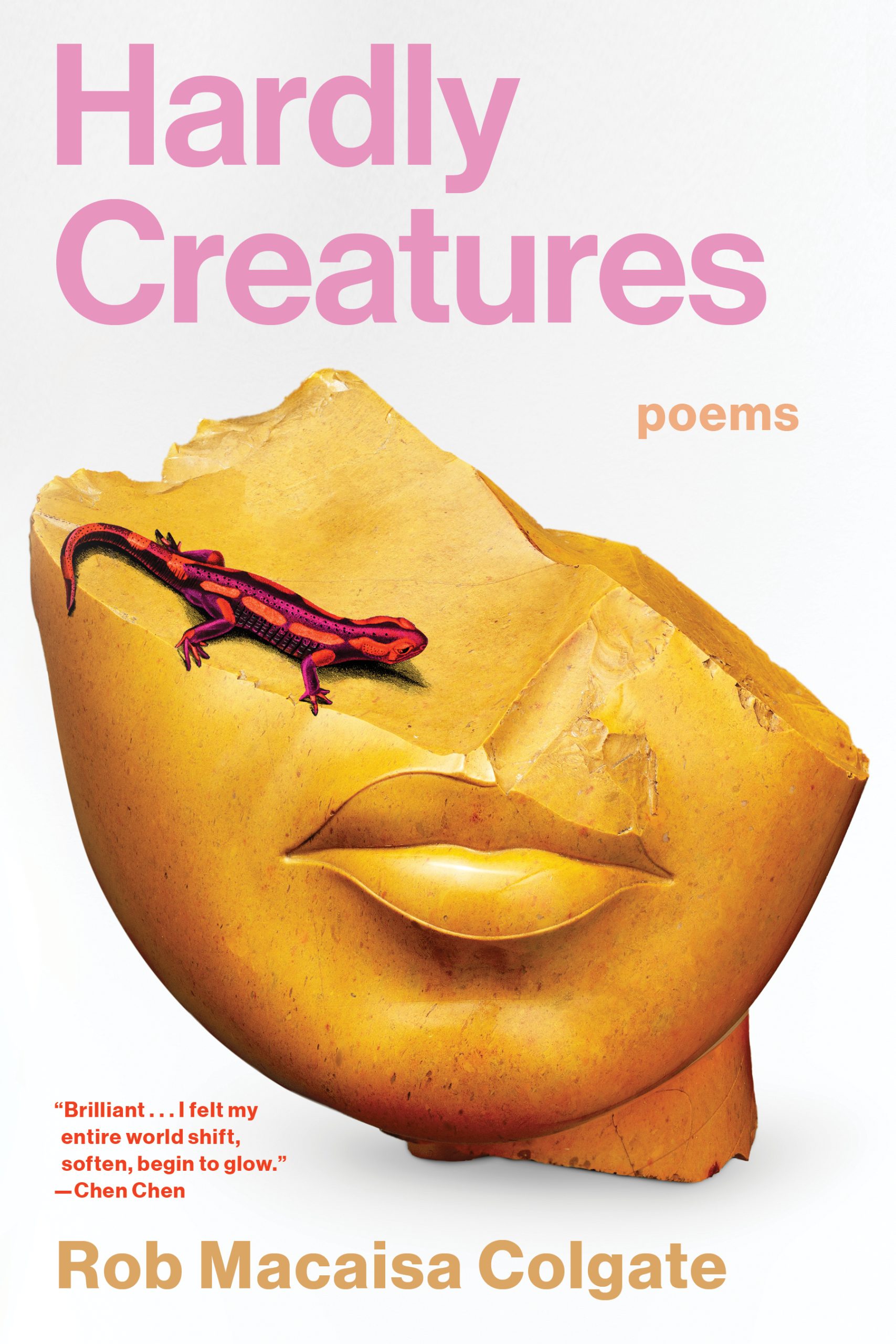
Rob is one of my best friends from graduate school, but that’s not why I’m including his collection here. Hardly Creatures is a feat of lyric and form that leaves a deep impression by Colgate’s capable fingers. Written as if one is traversing through an accessible art museum, the poems within not only discuss the disabled experience, not only shed light on the difficulties and obstacles that come with it, but celebrate how being disabled can feel to many like a gift. The collection doesn’t just seek formulaic wonder through traditional means — sestinas, villanelles, burning haibuns — but through “disabling” these forms, breaking convention. Hardly Creatures is a book that comes about when care is at the center — in any, every, all forms that may take.
I Do Know Some Things by Richard Siken (Copper Canyon Press)
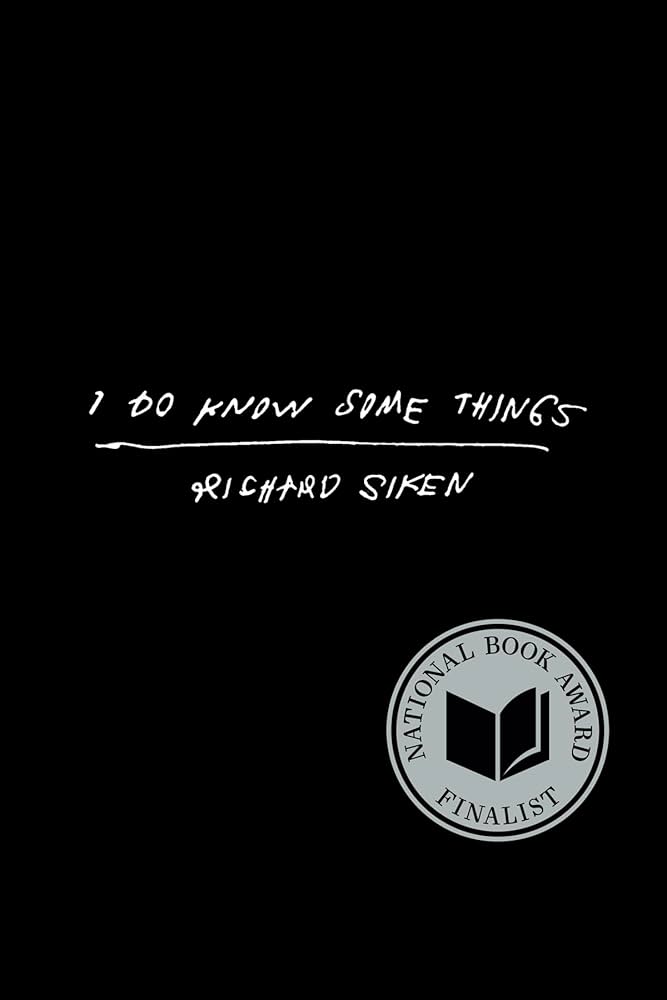
Richard Siken’s Crush persists as a bastion of queer poetry, providing ample inspiration to the most fastidious of professors as equally as to young Tumblr users pining after their own obsessions. Twenty years later, and ten years after his sophomore collection War of the Foxes, Siken’s third book follows his own life after a stroke left him temporarily paralyzed on the right side of his body. Another result of the stroke was a loss of memory; in an effort to recover, he wrote lists of what he could remember. These lists became the prose poems that make up I Do Know Some Things, an honestly devastating and devastatingly honest examination of aftermath. It felt inevitable that whatever Siken’s third book contained would be great, but it is still an understatement to say this collection leaves an indelible mark yet again on the landscape of contemporary poetry.
Scream / Queen by CD Eskilson (Acre Books)
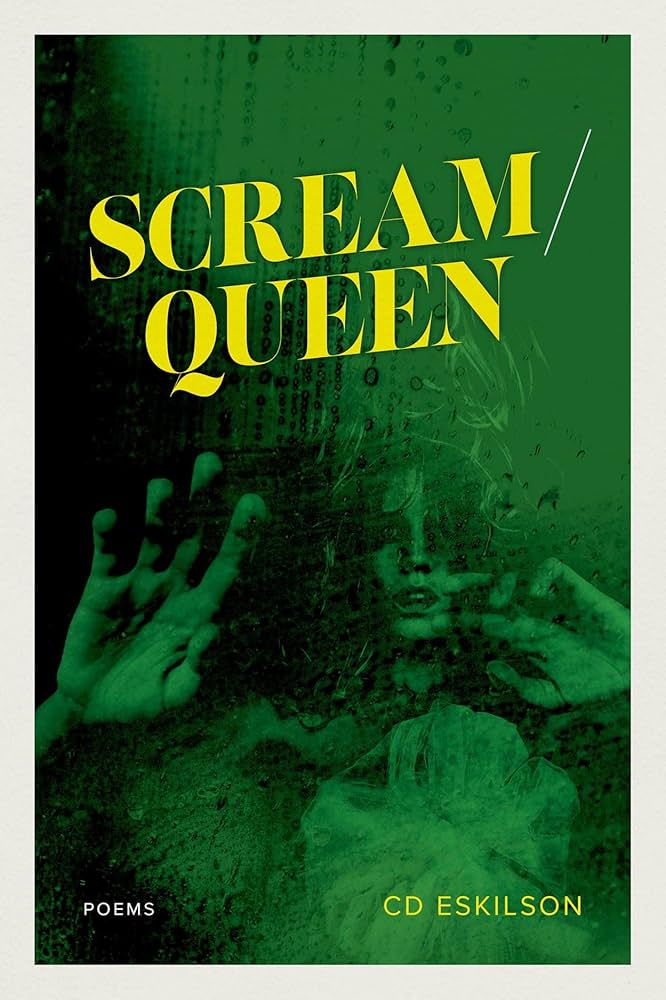
Another debut, CD Eskilson toes the line of the serious and the amusing in this collection that uses the horror genre to tell a broader story of transgender identity and mental illness. Queer people are no stranger to adoring horror, often identifying with the villains or the creatures portrayed, and Eskilson adds a masterful patch to that tapestry. Their poems engage with the campiness of such films as Sleepaway Camp, Halloween, and Nightmare on Elm Street, while also firmly engaging with the seriousness of what it means to be a trans person in today’s United States. A stellar project, this debut promises a strong and playful career.
Lonely Women Make Good Lovers by Keetje Kuipers (BOA Editions)
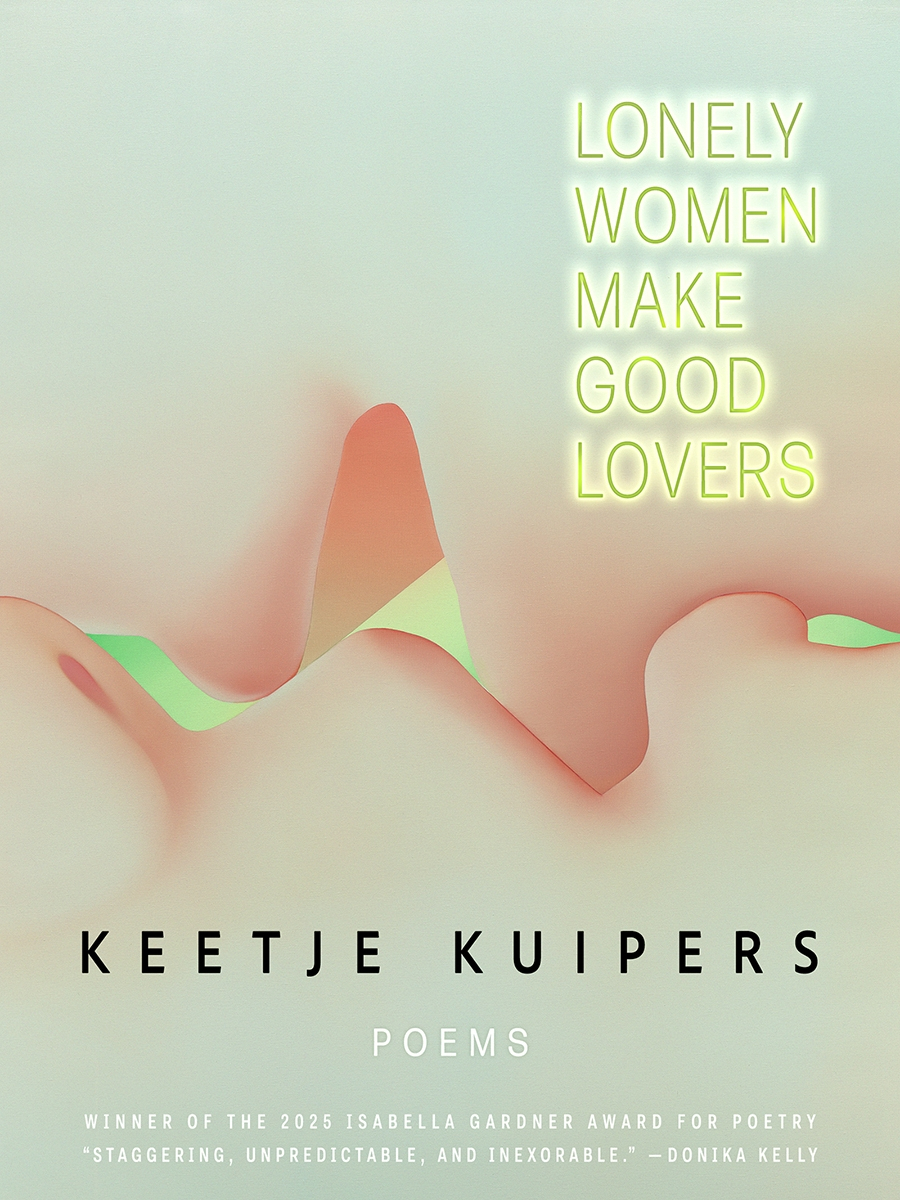
Sensual, sexy, and startling, Kuipers’ newest collection investigates what it means to inhabit a body — as a woman, as a queer person, as a sexual being — and the ways these identities intersect. Kuipers’ love poems are no easy walk — in their intimacy they command attention and forethought, examining not just the love poem but what traditionally has and has not been allowed to be its subject. In my interview with Kuipers for Write or Die, she put it best: “I’m a woman and forty-five and a mom and queer — all the reasons for the world to say I’m an inconsequential voice were all reasons for me to decide that they did matter, and to make sure that I owned them.”
Death of the First Idea by Rickey Laurentiis (Penguin Random House)
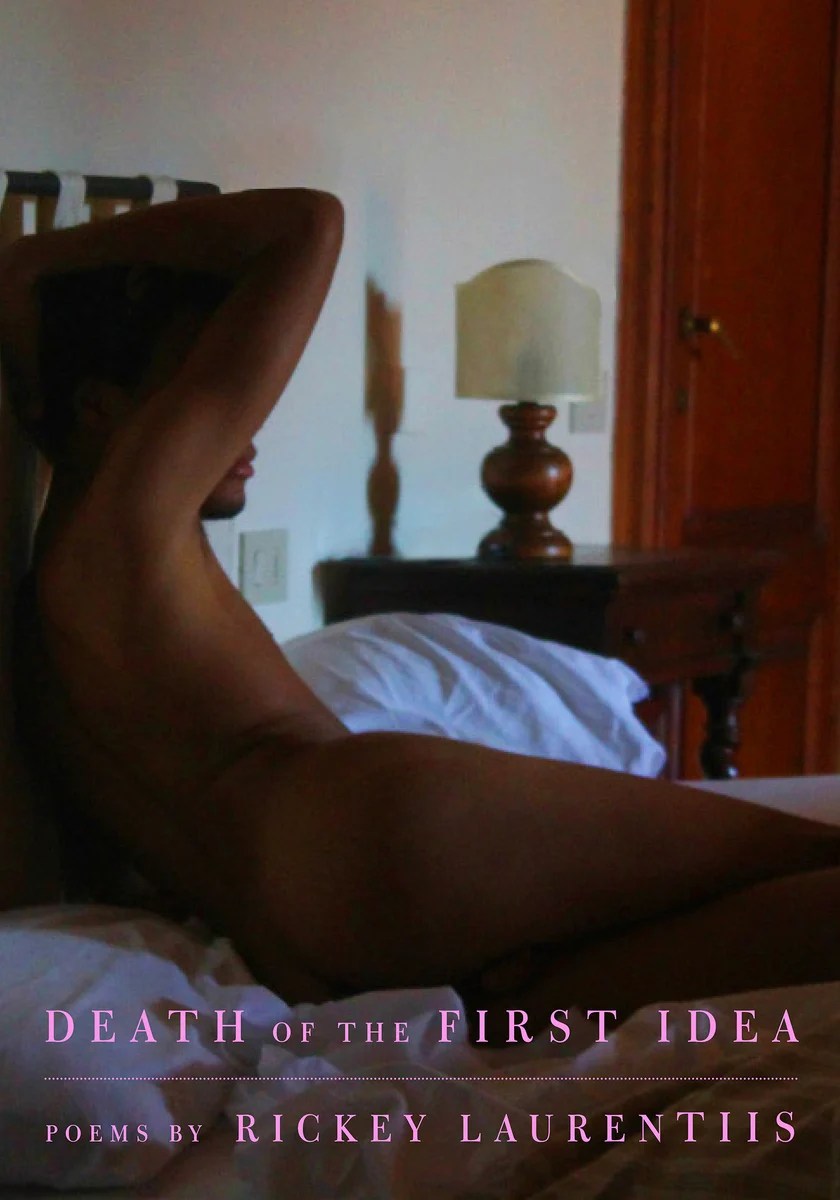
Similar to Siken, Laurentiis’ new collection came after a decade of anticipation following her debut Boy With Thorn. In that decade, Laurentiis’ approach to poetry, lyric, and her own transition has resulted in a book that reads like an ancient text from an oracle. Death of the First Idea invokes a wide assemblage of inspirations, from Orphic hymns to Walt Whitman, from Greek mythology to Dante. What results is a swirling of Laurentiis’ own constructed myths and fables, that investigate the past ten years of her life, our country, and the world.
We Contain Landscapes by Patrycja Humienik (Tin House Books)
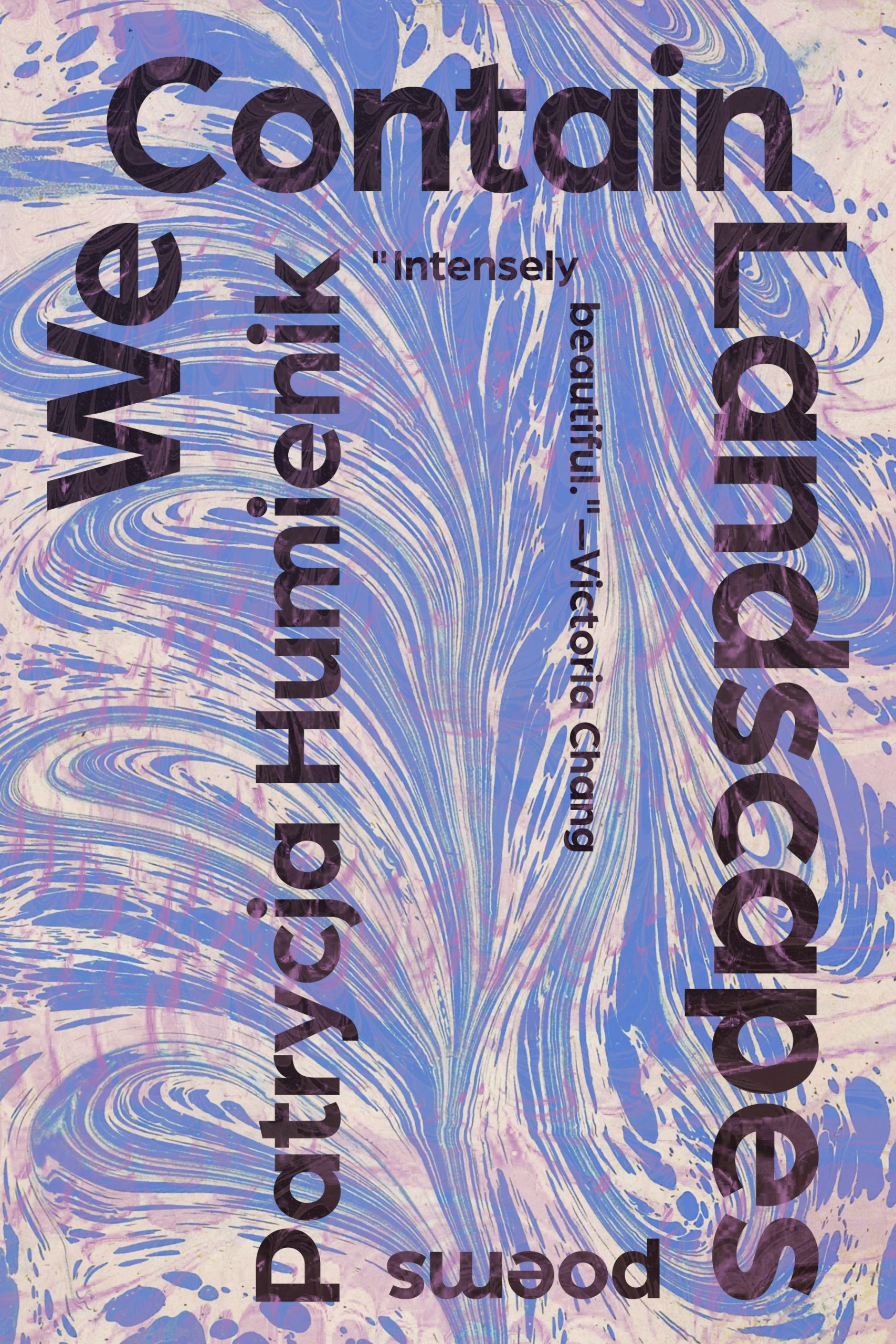
A collection deeply influenced by placement and misplacement, We Contain Landscapes is the story of, and ode to, immigrant daughters making their way in the contemporary United States. The nature of borders — physical, emotional, spiritual — are at ardent play in this collection. Humienik questions the nature of belonging in a country as wrought with potential and devastation as the US, as well as the complicated history of Poland and Polish womanhood. She puts it best in her interview with David Naimon, from his Between the Covers podcast: “When I think about the question of form, I can’t help but sometimes think about walls and borders and violences. At the same time, then I’m left to think about the body, and the shape of the body, and what I was just alluding to with dance, and the way that being in an embodied form allows for certain kinds of felt experience. I think poetry is capacious enough for a play with that and for breaking out of ways we’ve been taught to speak, to use language, to take a very word and examine it in so many ways, that, in itself, to even think about etymology, to break it down, and then no form is actually as oppressive as it seems, when you can sort of start to take things apart.” The landscapes we contain are sprawling and tight, urban and rural, divine and achingly human. Humienik traverses all of them with the patience of a well-worn traveler, who despite their experience never loses sight of the wonder in the journey.
Sage by Yaffa As (Meraj Publishing)
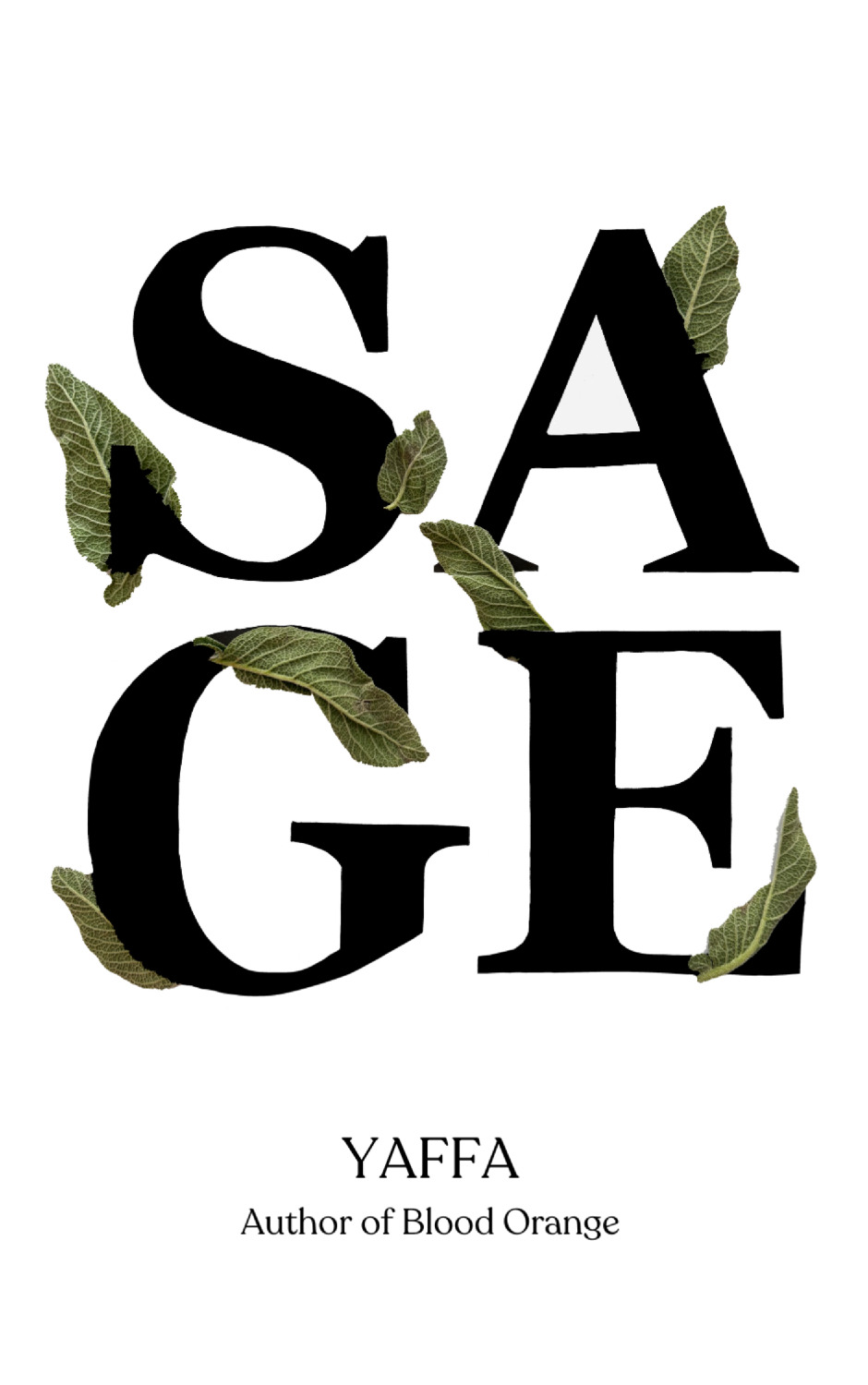
Yaffa As’ Sage may very well be the one collection you should read from this year, if you can only read one. A manifesto of trans Palestinian brilliance, As sees their writing as a vehicle of “collective liberation.” Following 2023’s Blood Orange, Sage has seen the past two years of heightened Israel occupation and genocide and spat back at its evils with a collection that defies, celebrates, and most of all harnesses the reader in an embrace most needed. Not only are the poems lush and defiant, they are a genuine example of community care: all proceeds go directly to trans people displaced by genocide in Palestine, Sudan, Congo, as well as other displaced folks. If there’s one collection to put money towards right now, it’s this one.
The Natural Order of Things by Donika Kelly (Graywolf Press)
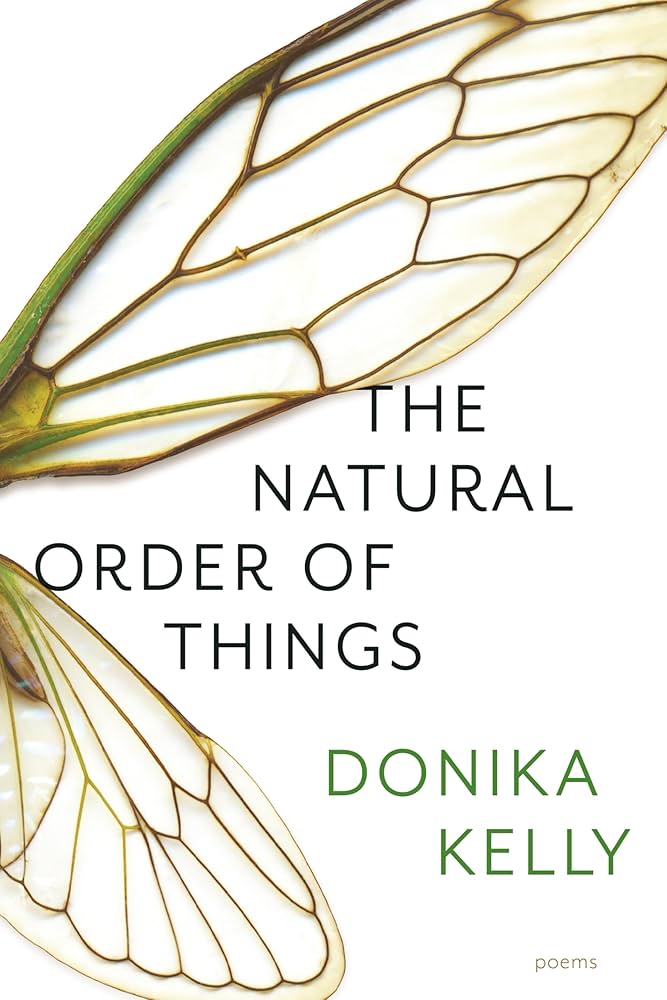
If Donika Kelly’s Bestiary was a confession, and The Renunciations a rebuke, then The Natural Order of Things is an exhalation. Adding to a lineage of ecstatic poetry, Kelly’s third collection is no less powerful for its joy — if anything, it is the strength of a storm’s aftermath that sees the flowers begin to bloom. As Graywolf’s website agrees, Kelly’s work “is known for its resonant, unflinching confrontations with trauma and inheritance, translated through myth and nature.” This book likewise examines the broader natural world to come to the conclusion not of insignificance, but of total inclusion in the world. “O Donika, you should be in love” sees the speaker address herself, with the force and honesty of a friend, the kind of honesty that makes a reader feel they are intruding at first, only to recognize, no, such an address is an invite. An invitation into the intimacy it takes to follow an aftermath of trauma and inheritance with eyes and arms wide open.
Scorched Earth by Tiana Clark (Simon & Schuster)
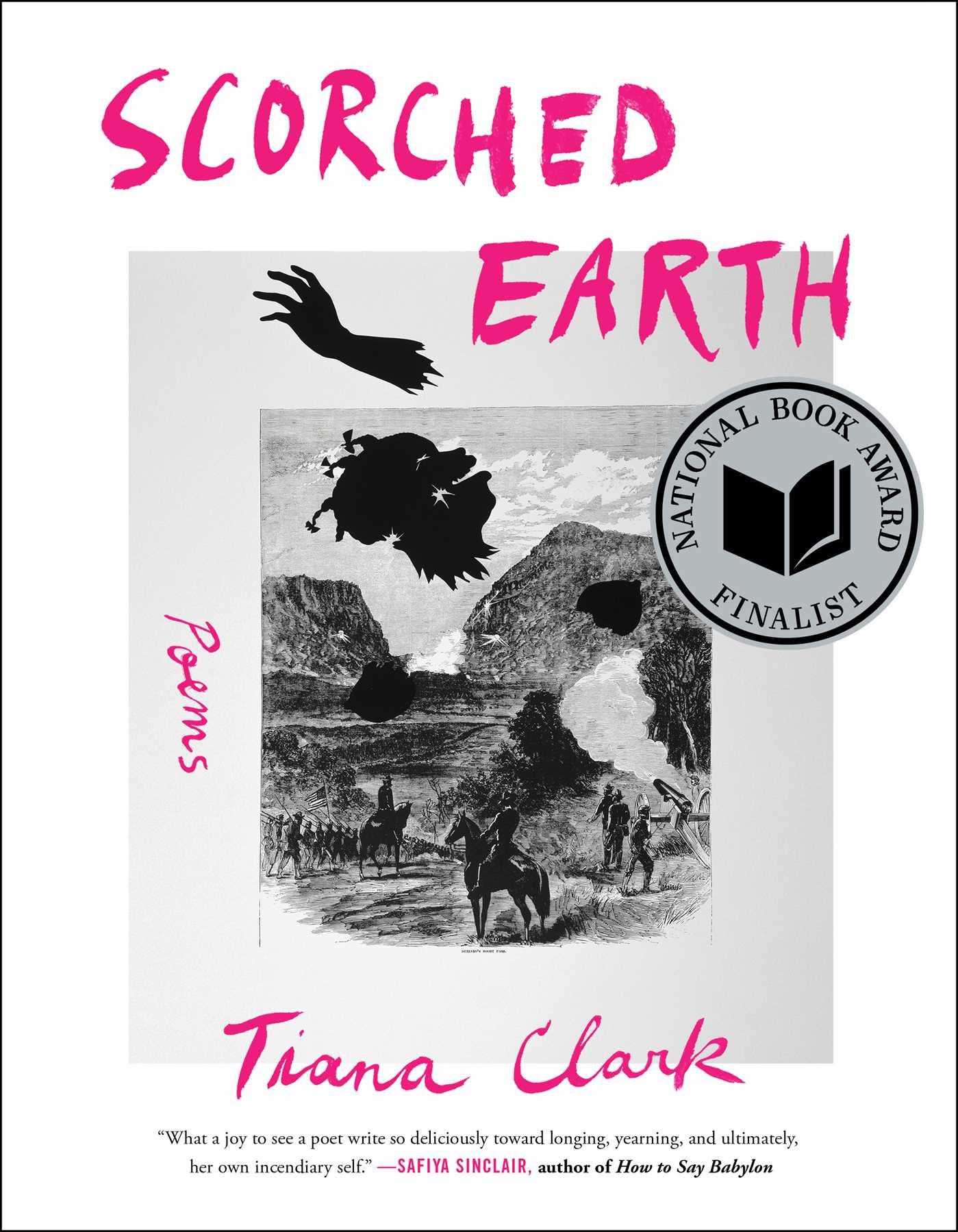
As Tiana Clark herself explains on her website, this second collection is the product of writing her way “out of the ruins” of the US and world post-2016. Scorched Earth’s contemplations on “reaching for queer, Black bliss” amid the devastations and revelations of Black history, spirituality, pop culture, and more — they are more than contemplations. They provide the kaleidoscope through which all poetry should be lucky to be viewed. As stellar an art critic as she is a poet, Clark’s finger is perpetually on the pulse of meaning, not like she is trying to snuff it out, but like she is a doctor keeping the patient alive. Defiant and charismatic as any greater orator, Clark’s work feels as resonant spoken loud from a podium as it does in the quiet of one’s own room. A masterful collection from a masterful voice.
Super Gay Poems: LGBTQIA+ Poetry After Stonewall edited by Stephanie Burt (Harvard University Press)
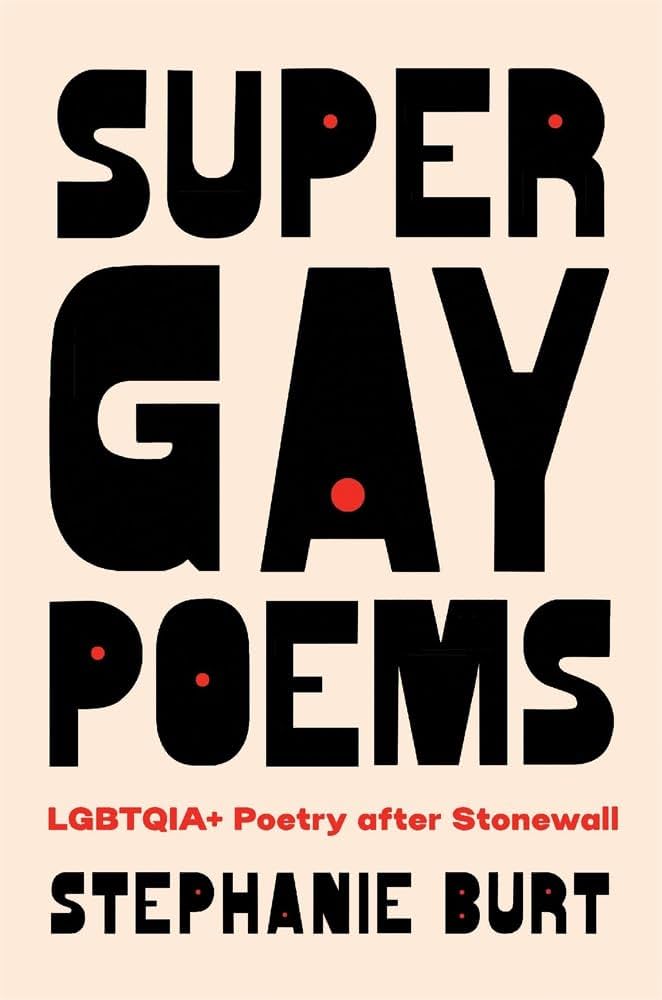
Concluding the year’s list with something of a cheat: an anthology containing a wide array of modern and contemporary queer poetry, as curated by the lauded poetry critic Stephanie Burt. Beginning, as the title suggests, in 1969 and blooming toward the present, Super Gay Poems seeks not to name “the best” poems, but rather highlight the ways this art form has been at the forefront of queer liberation. From Frank O’Hara to Mark Doty, from Cherry Smyth to Audre Lorde, there is bound to be one poet in this anthology that resonates with you, and who you may find yourself reading for a long, long time to come.

Comments
I LOVE QUEER POETRY