





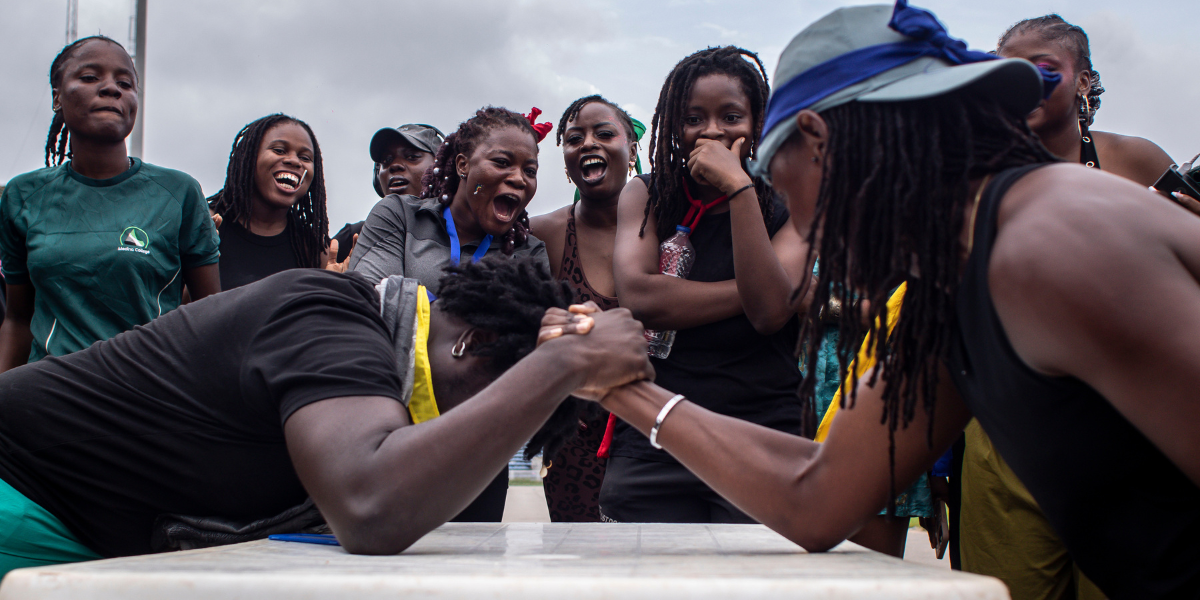
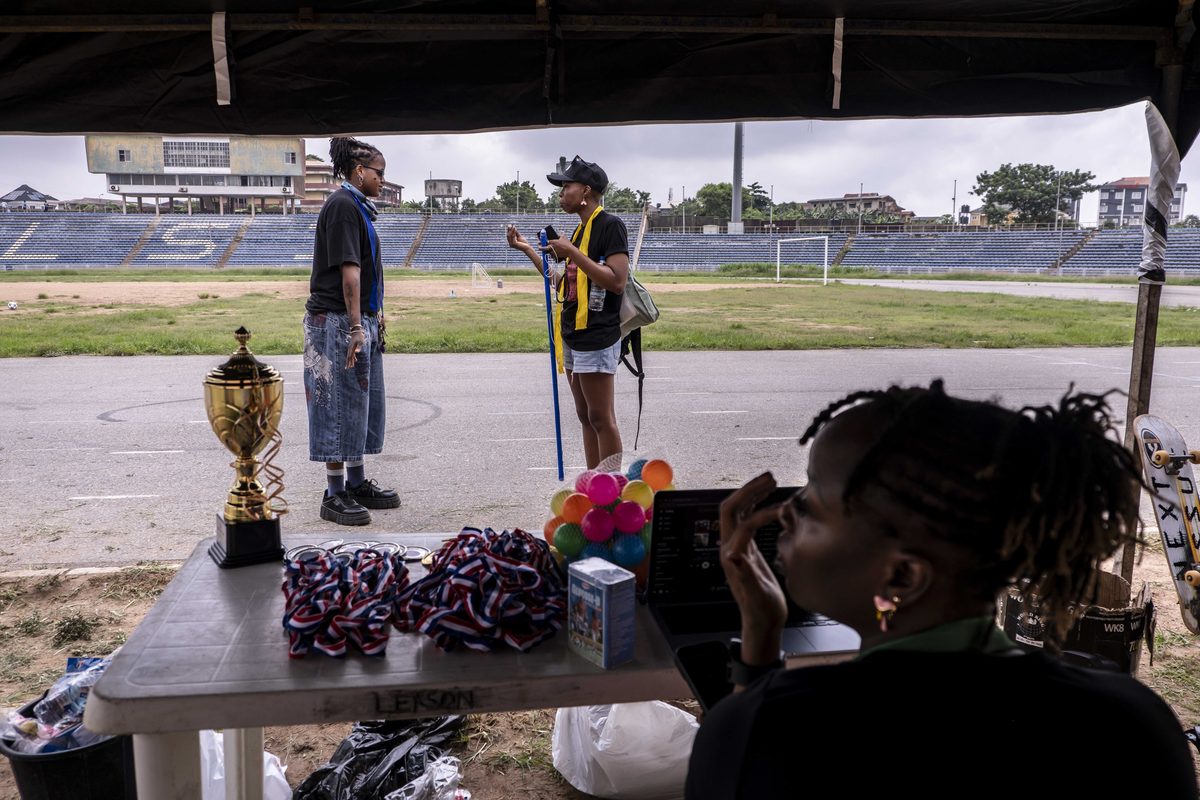
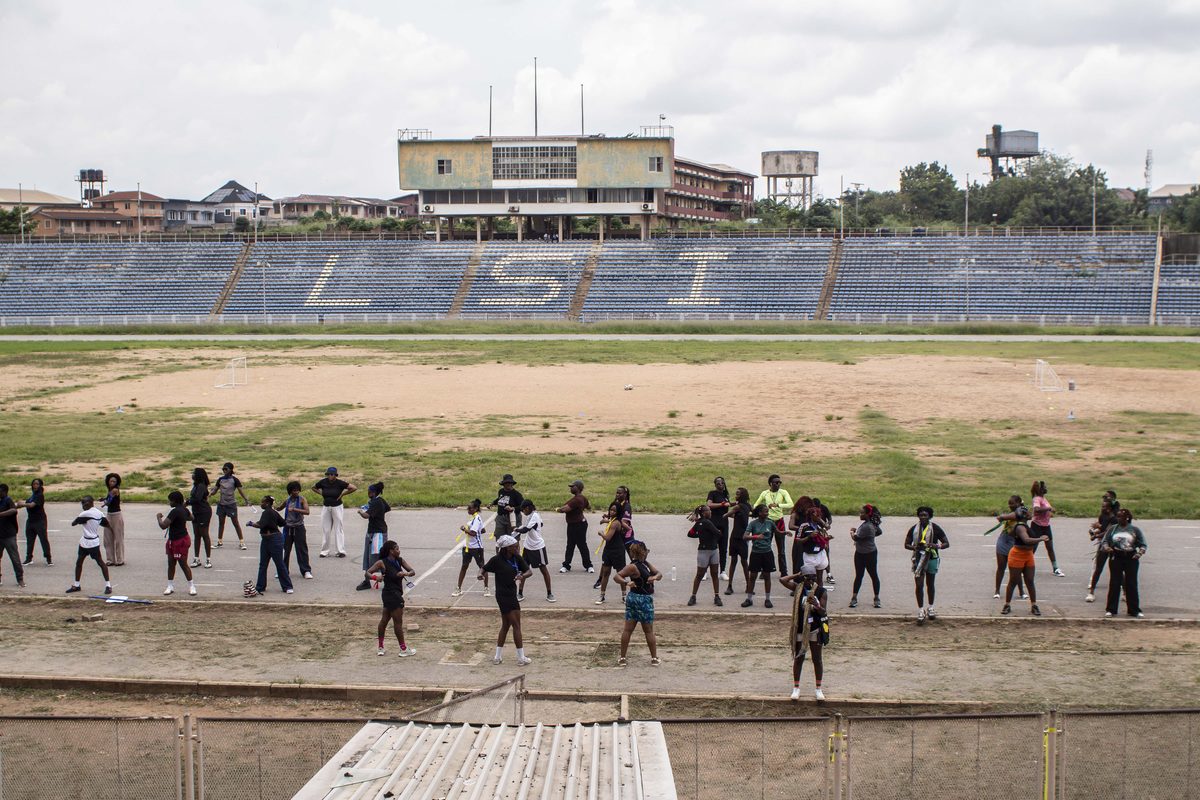
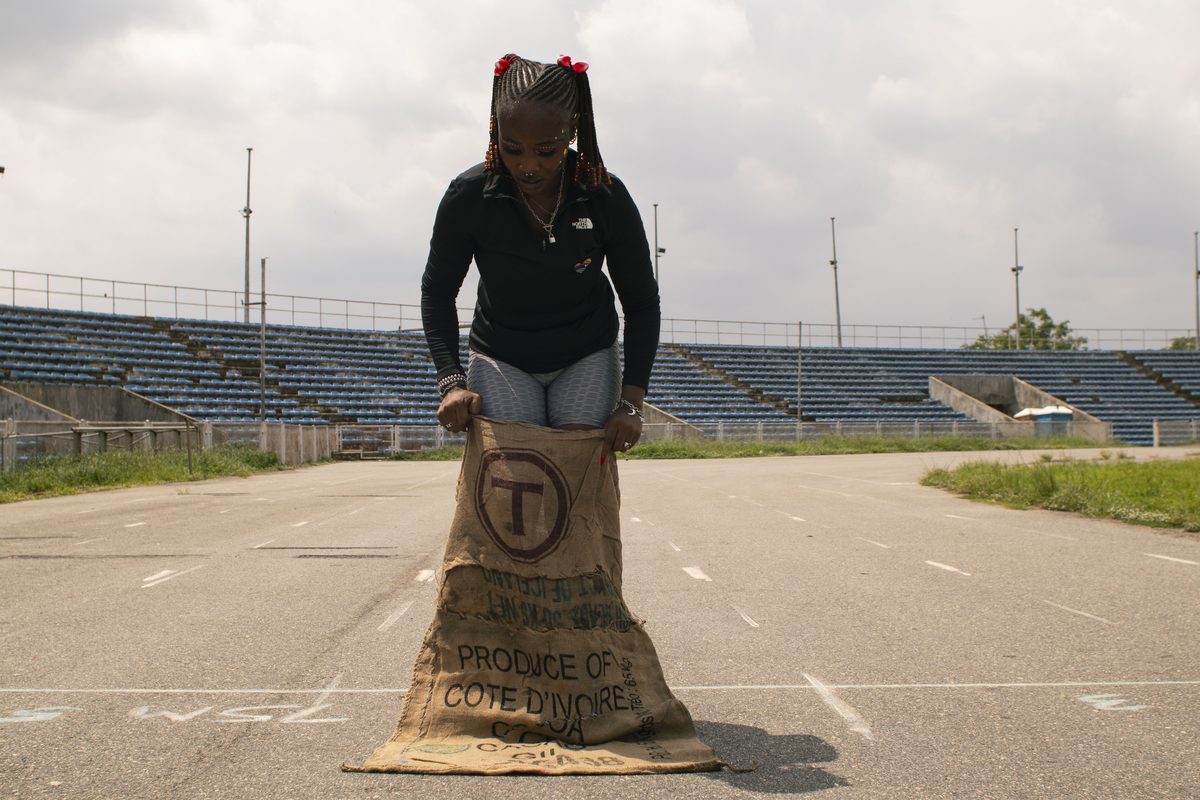
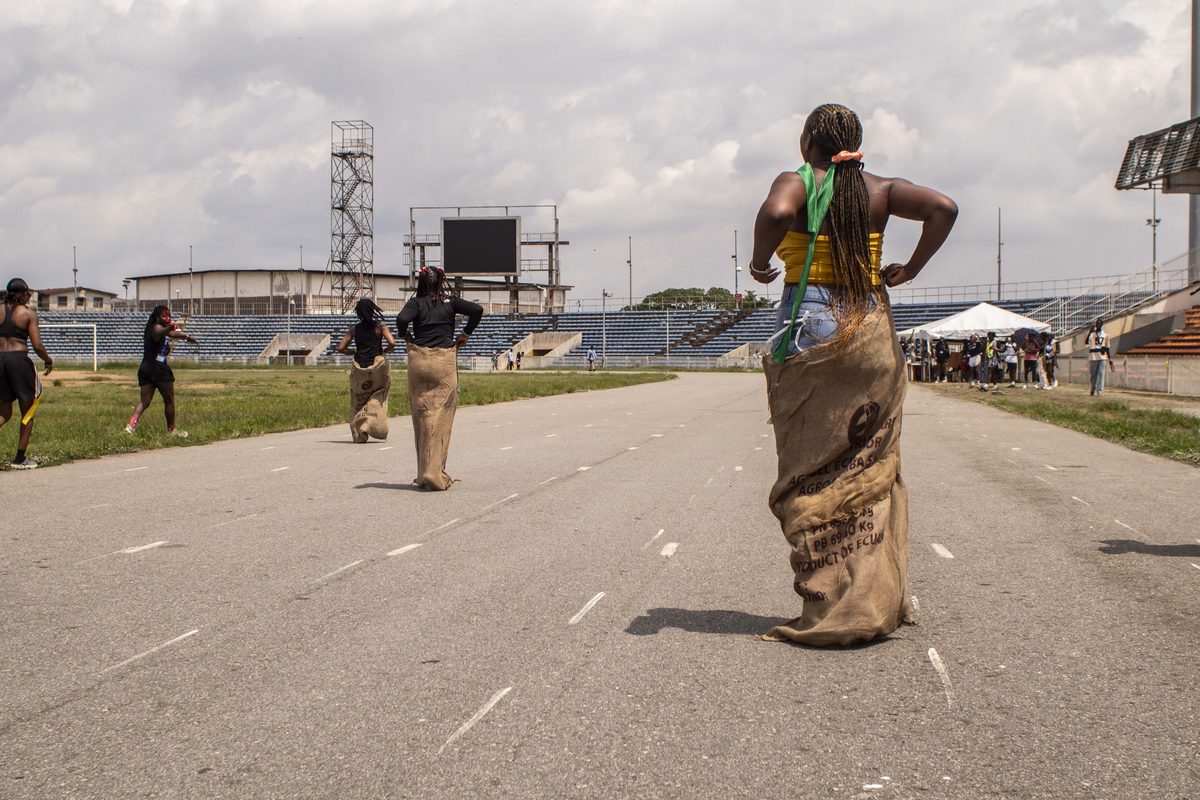
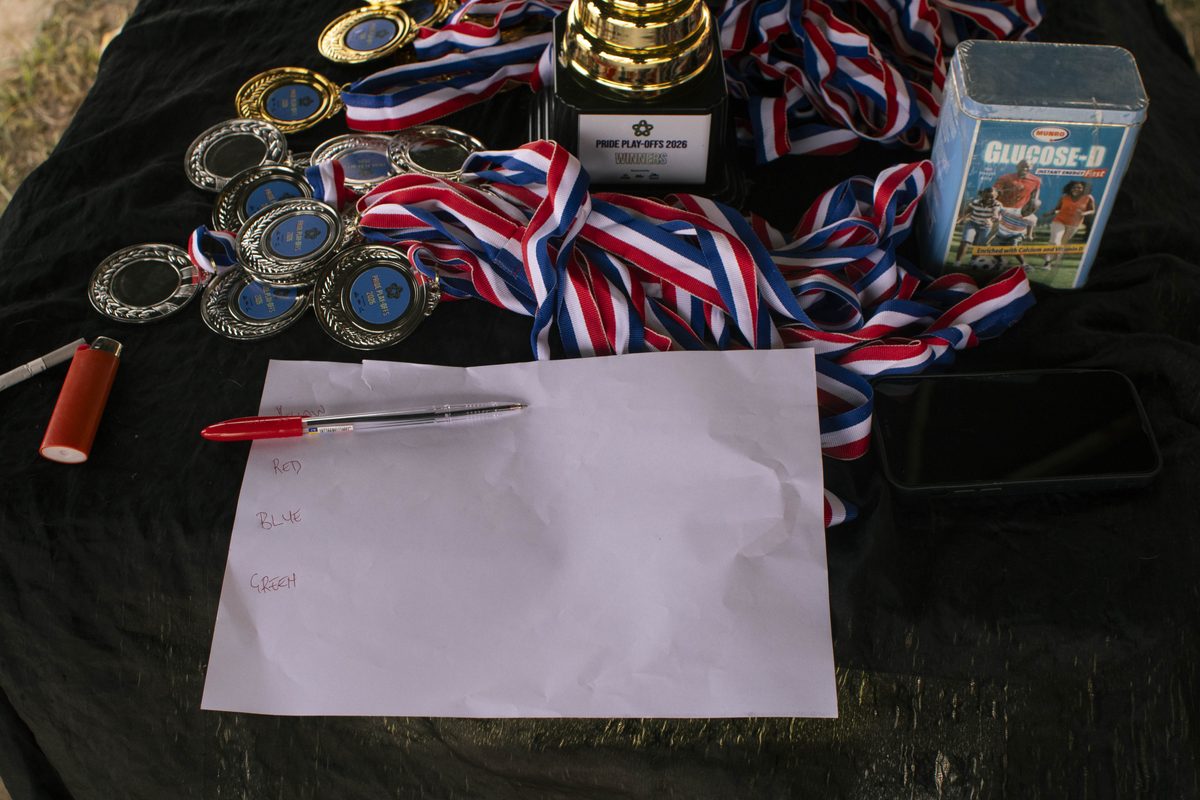
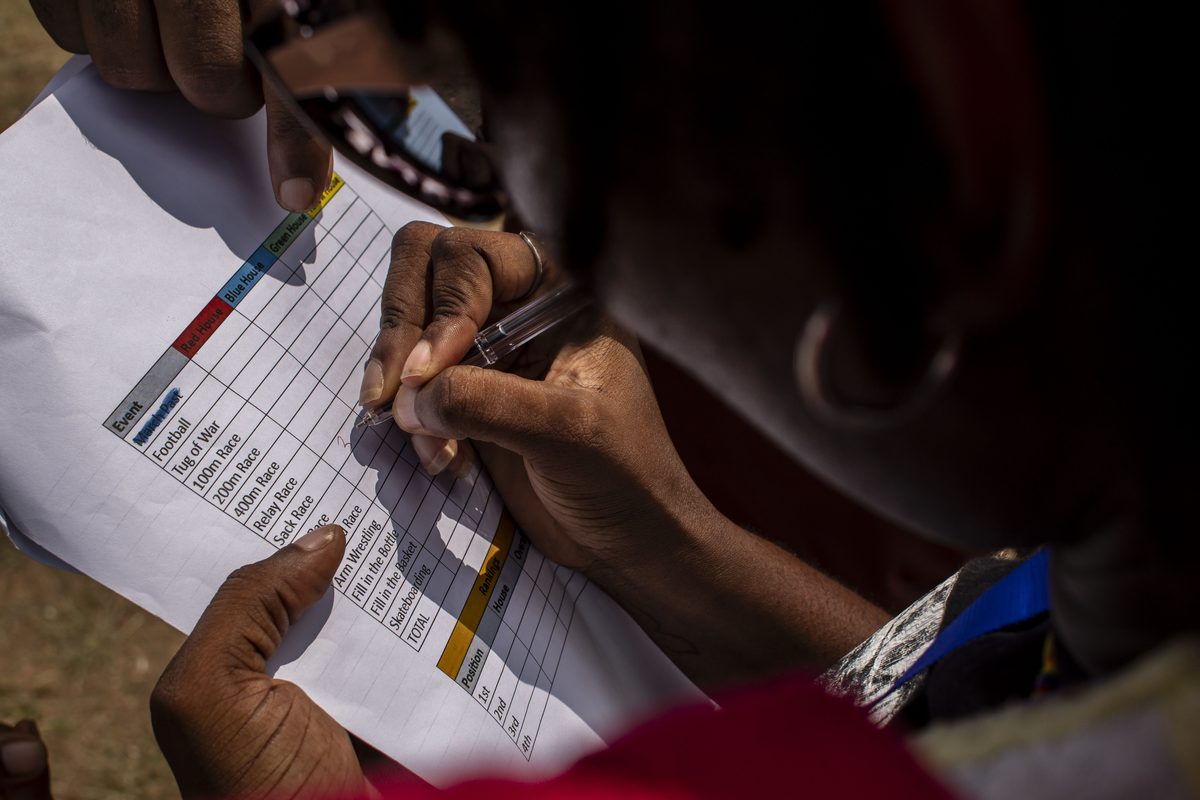
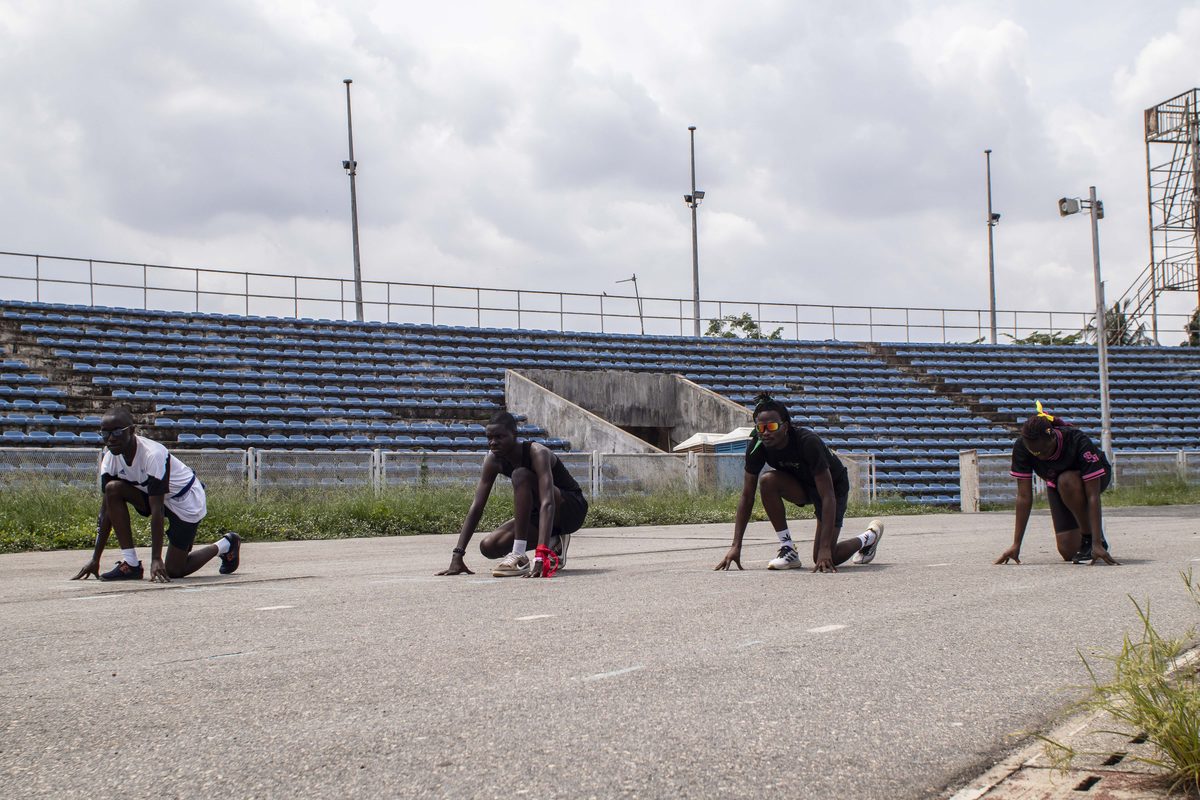
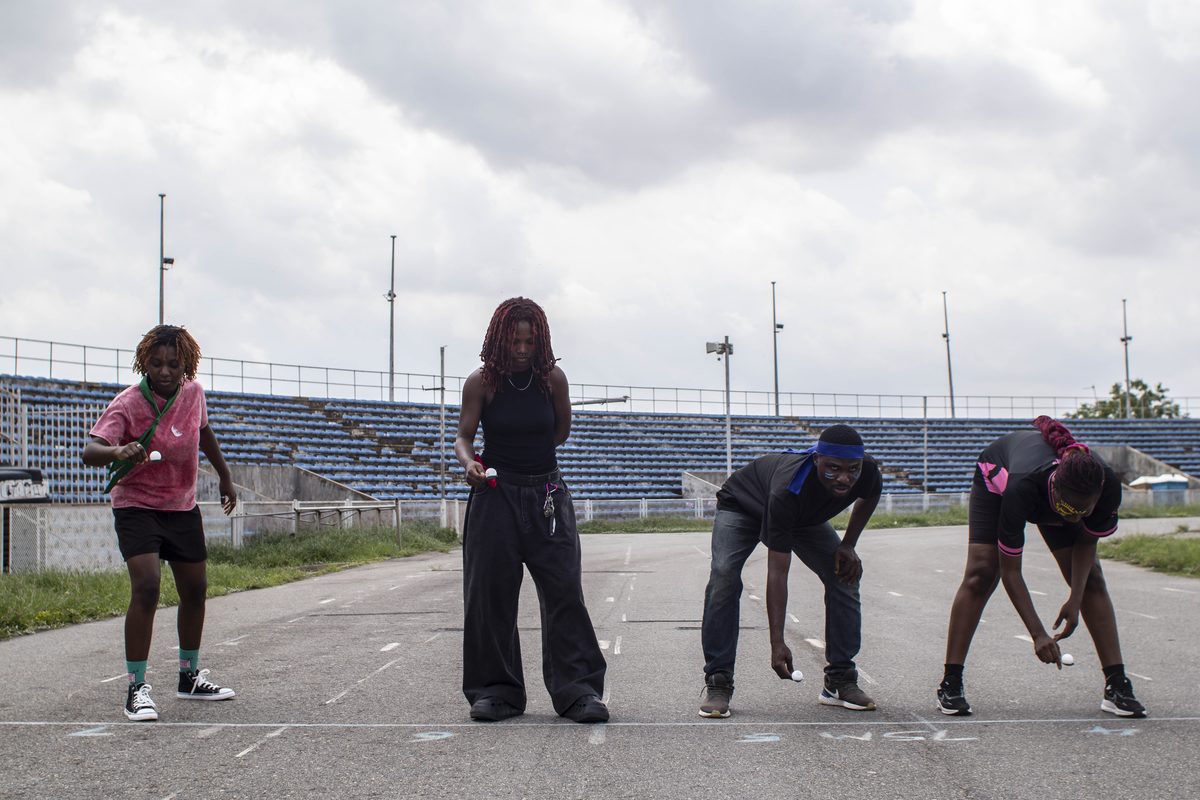
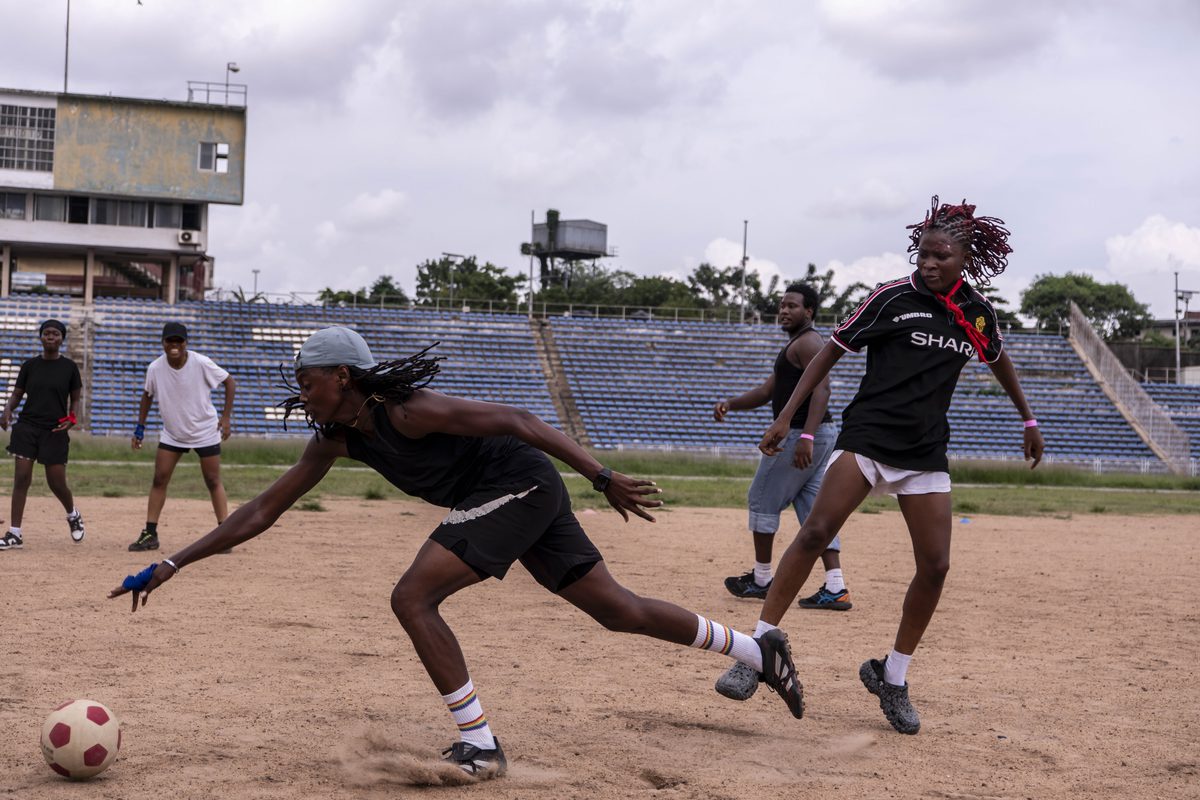
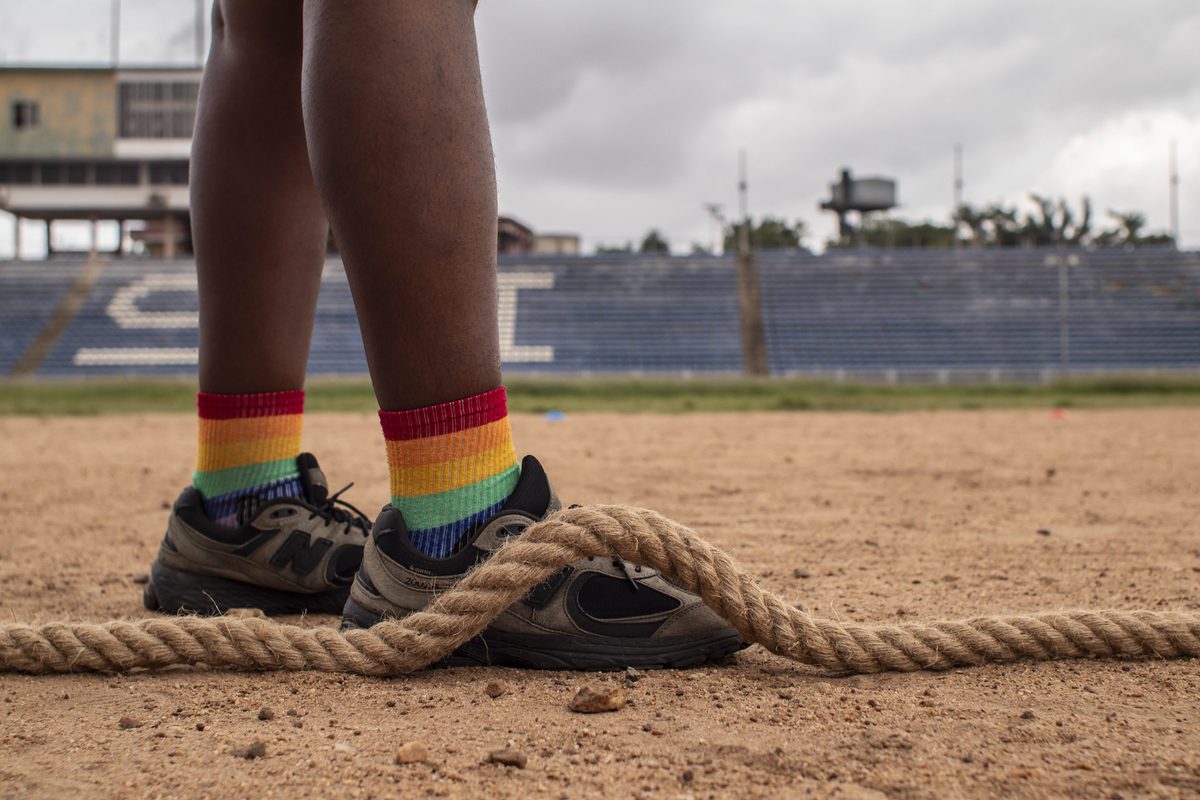
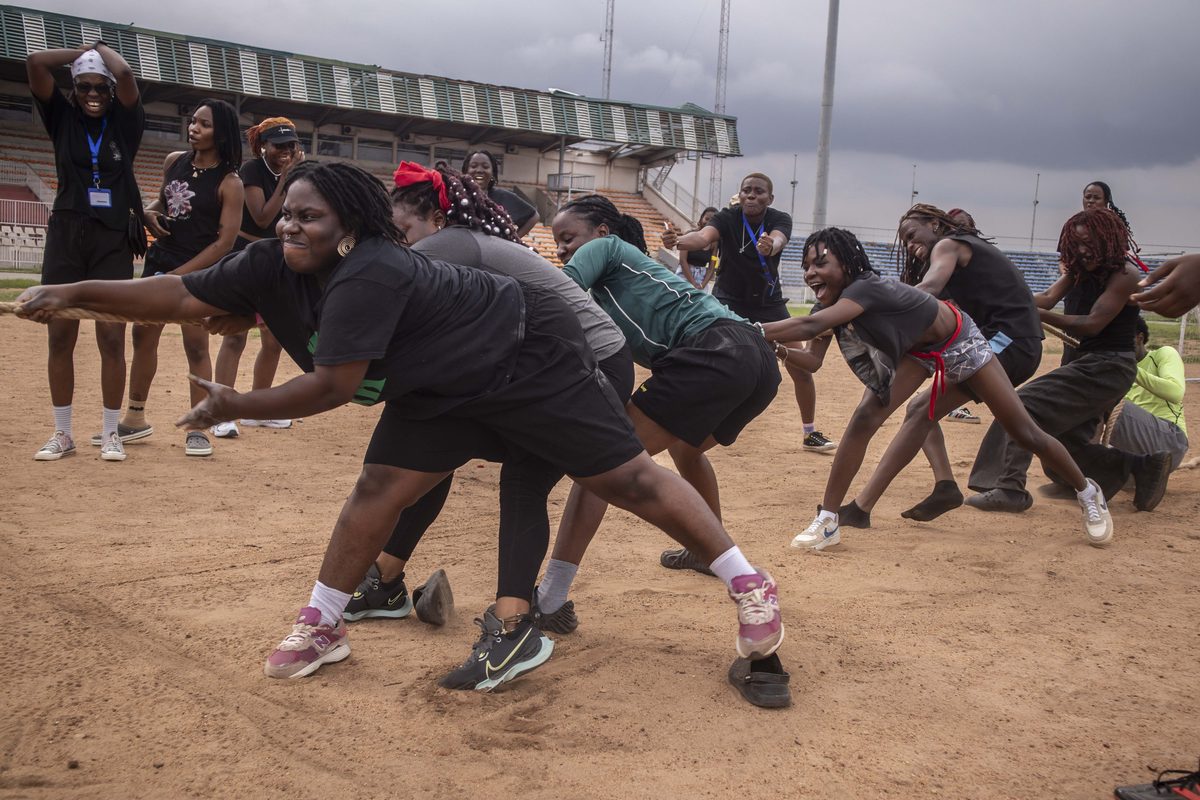
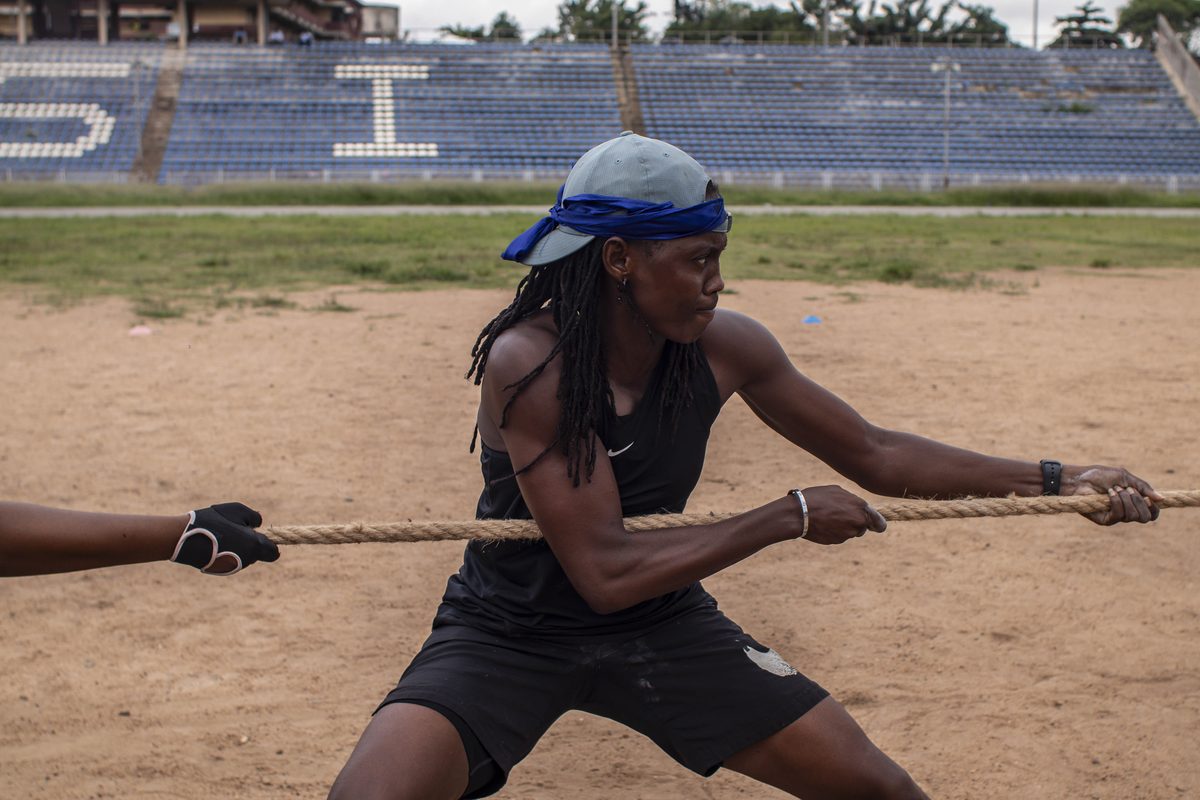
Nigeria’s Pride Playoffs were conceived by six women determined to create a Pride Month gathering for queer people in Ibadan, a city that exists outside the popular imagination of Nigeria’s queer life. On June 12, 2026, their idea became reality. Nearly 100 attendees gathered for a full day of football matches, relay races, sack races, egg-and-spoon races, tug-of-war contests and other games, competing in four houses distinguished by colour: yellow, green, blue and red.
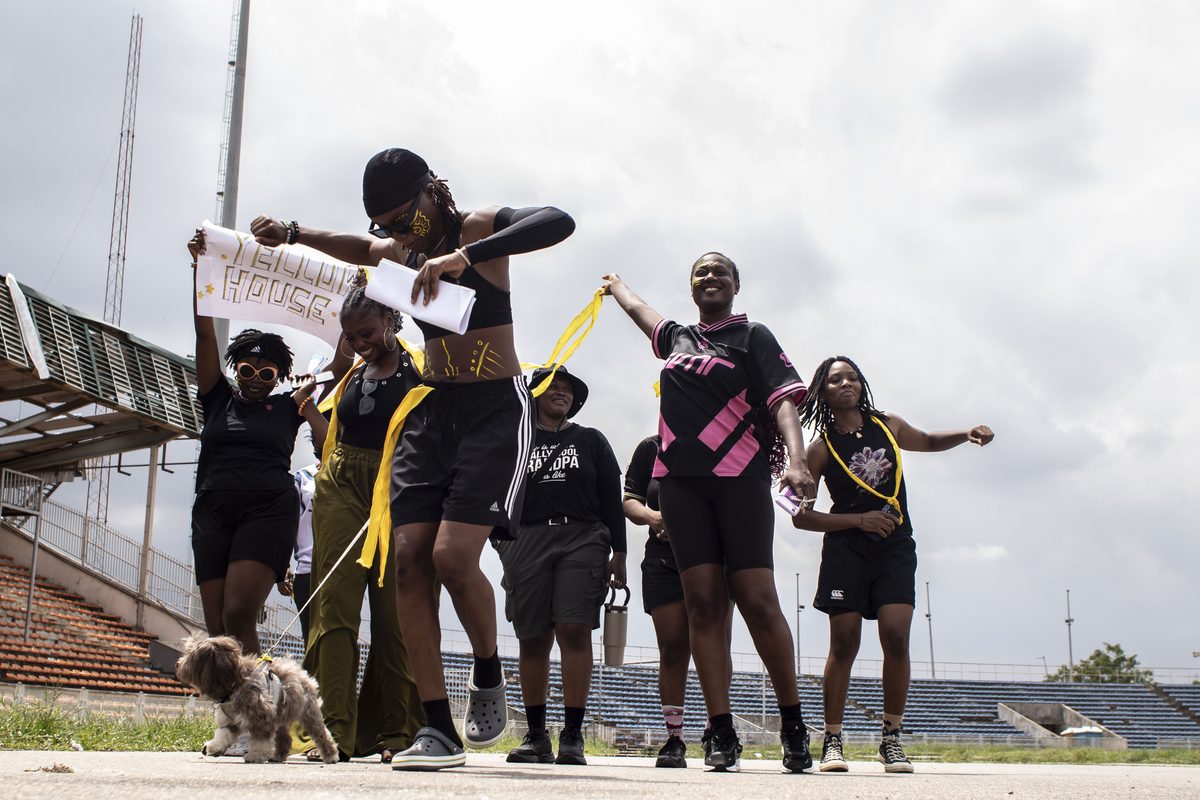
Before the races began, the houses marched.
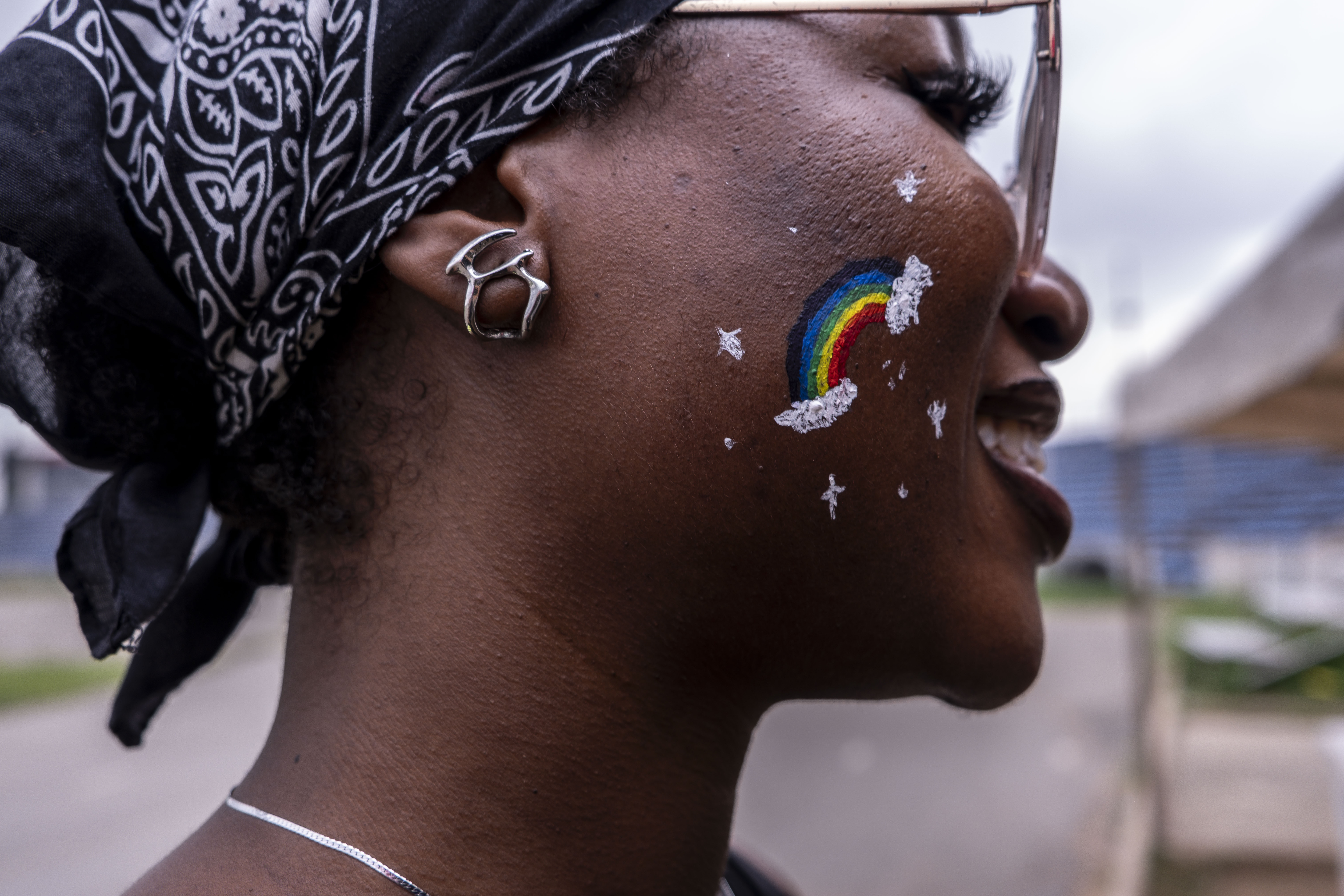
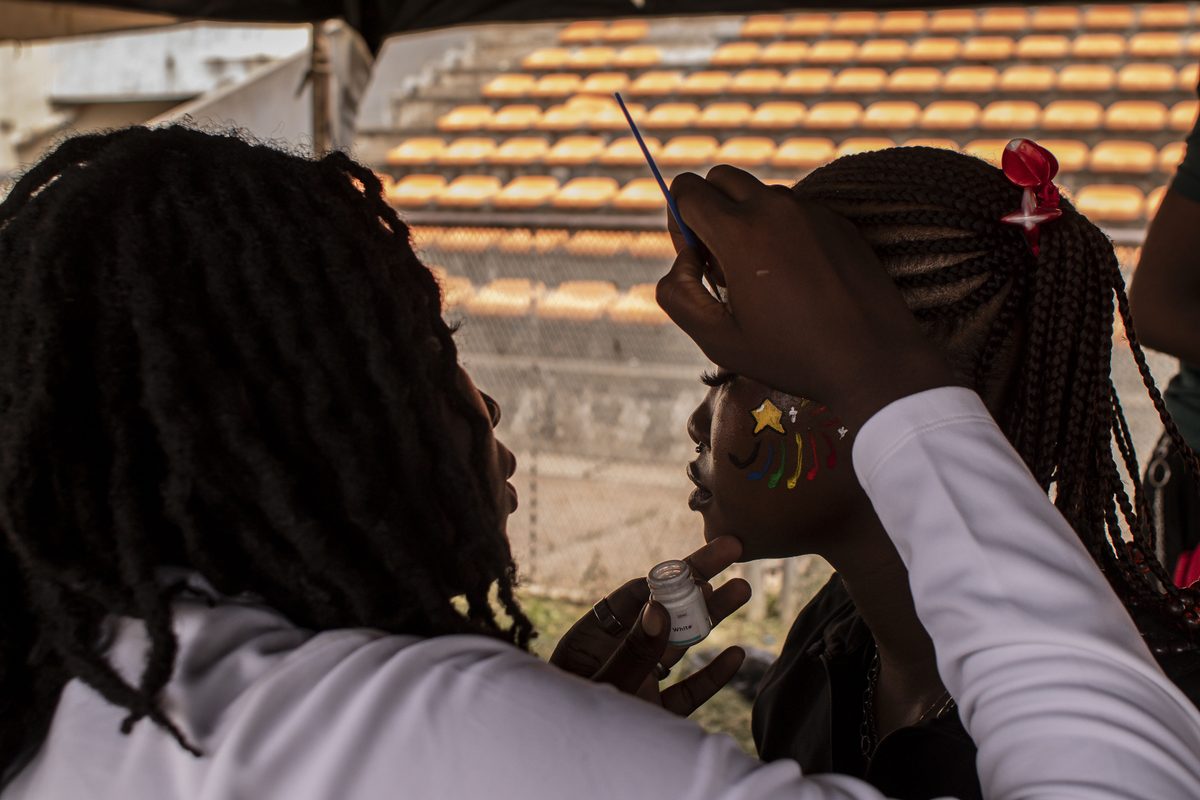
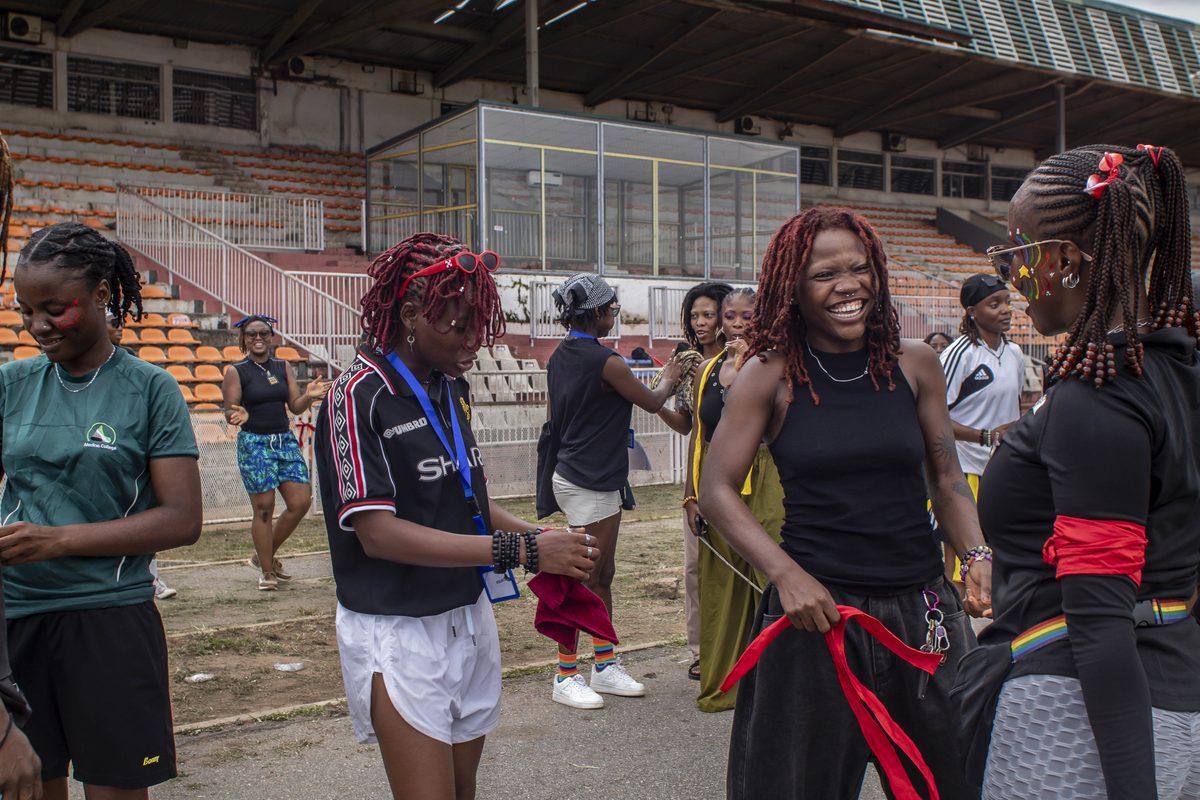
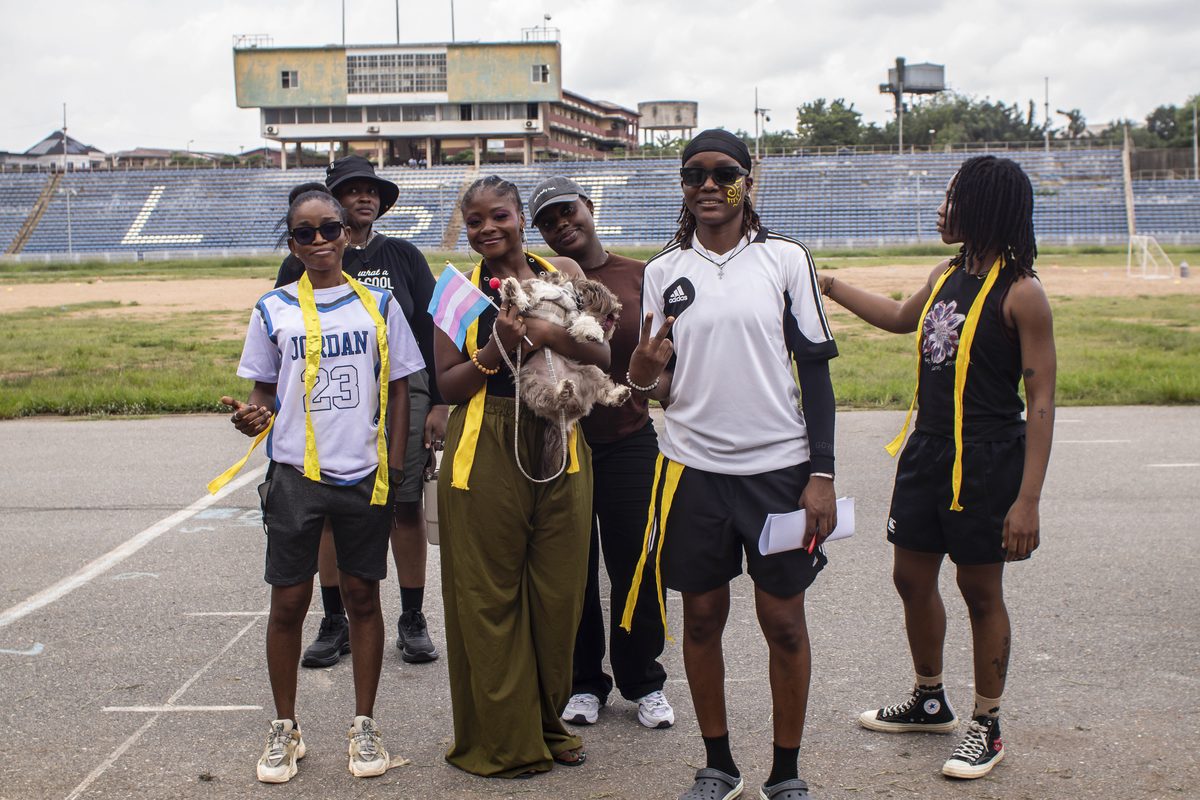
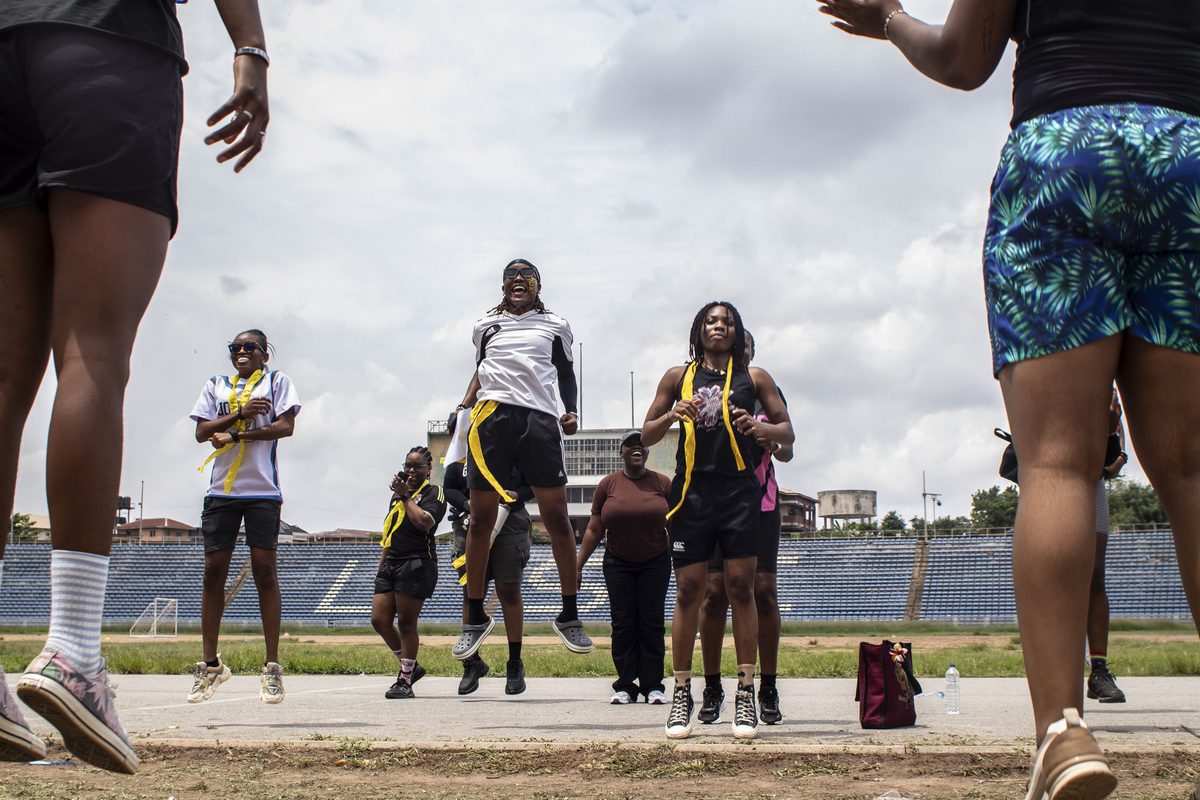
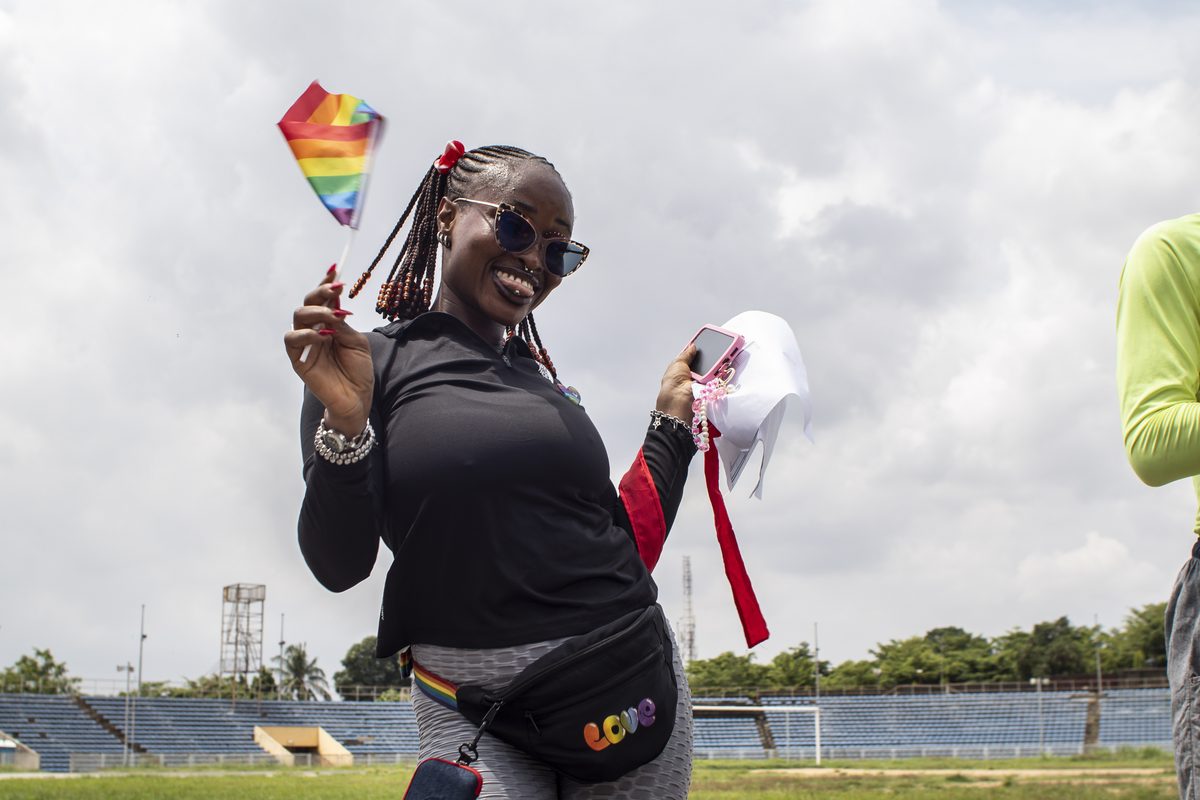
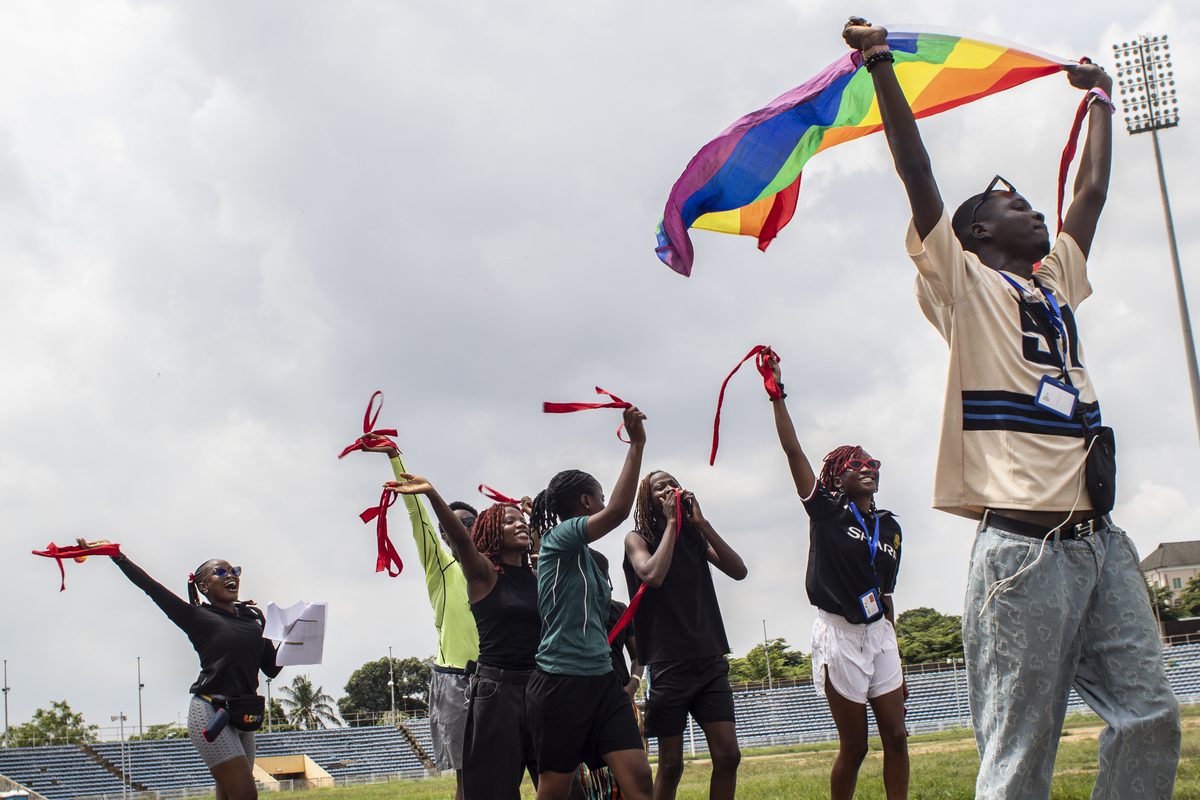
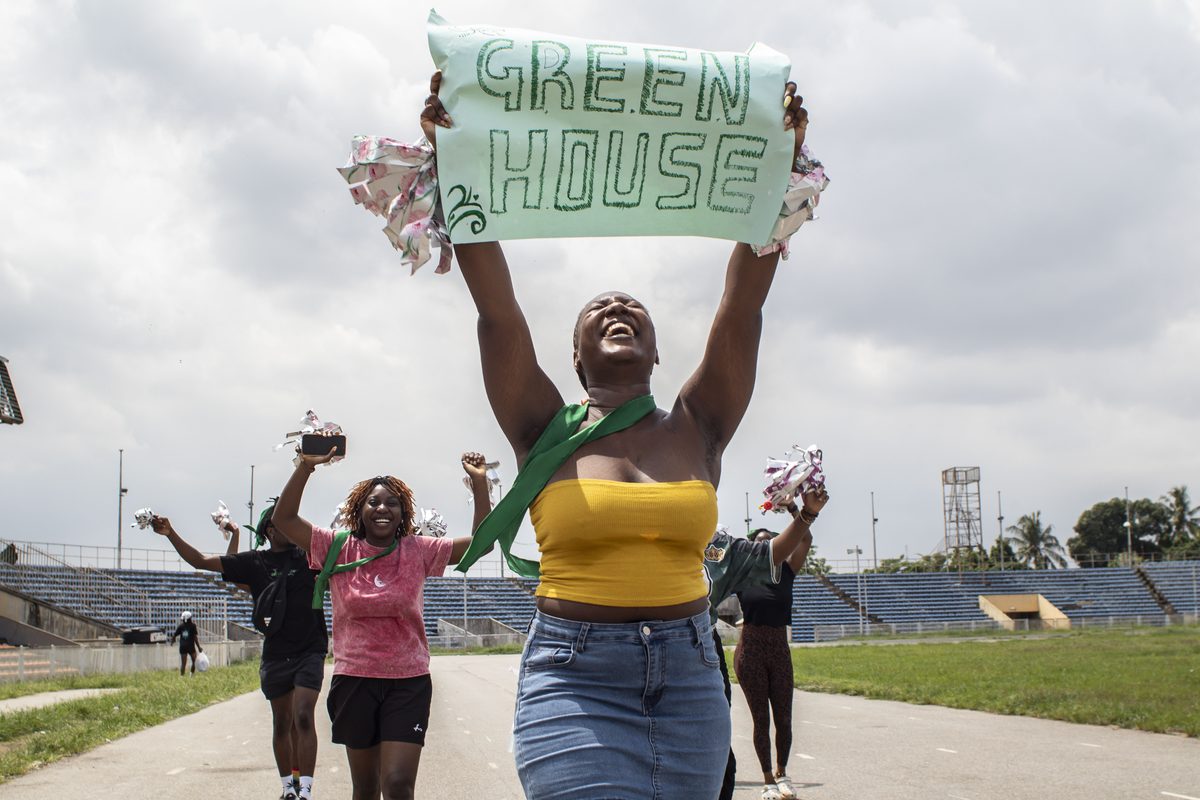
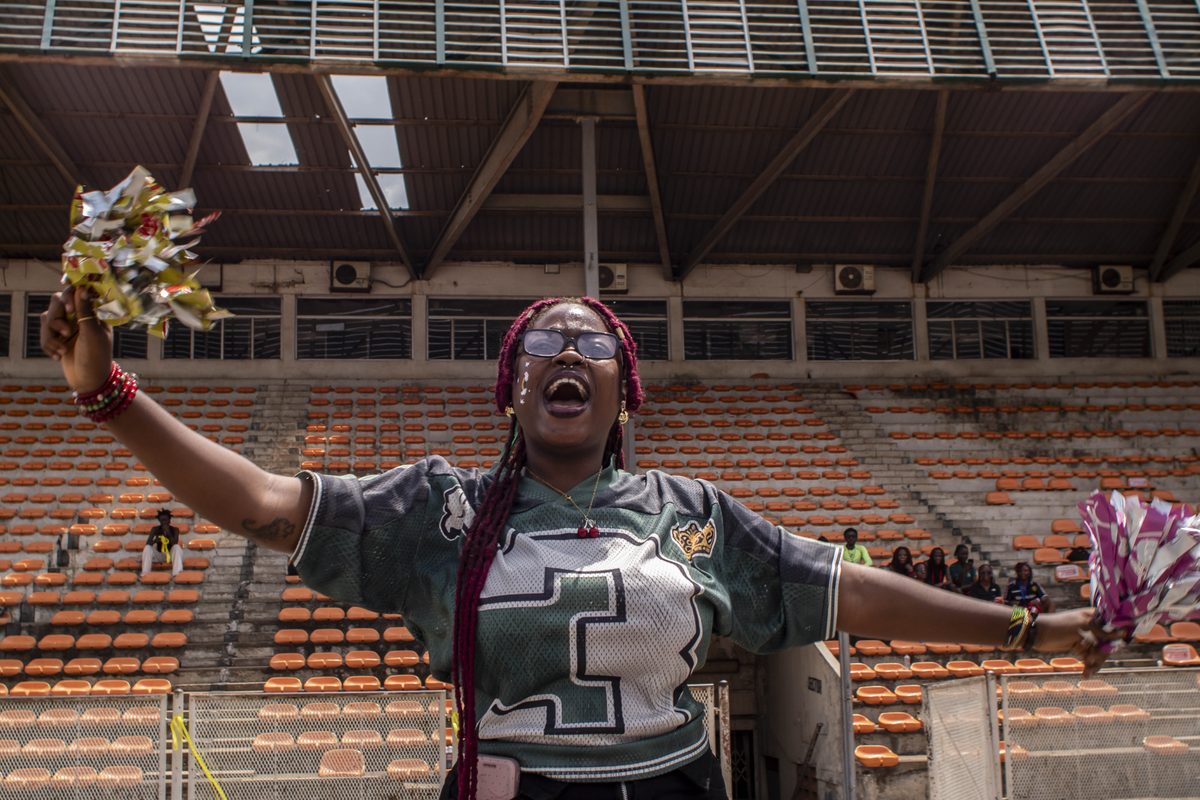
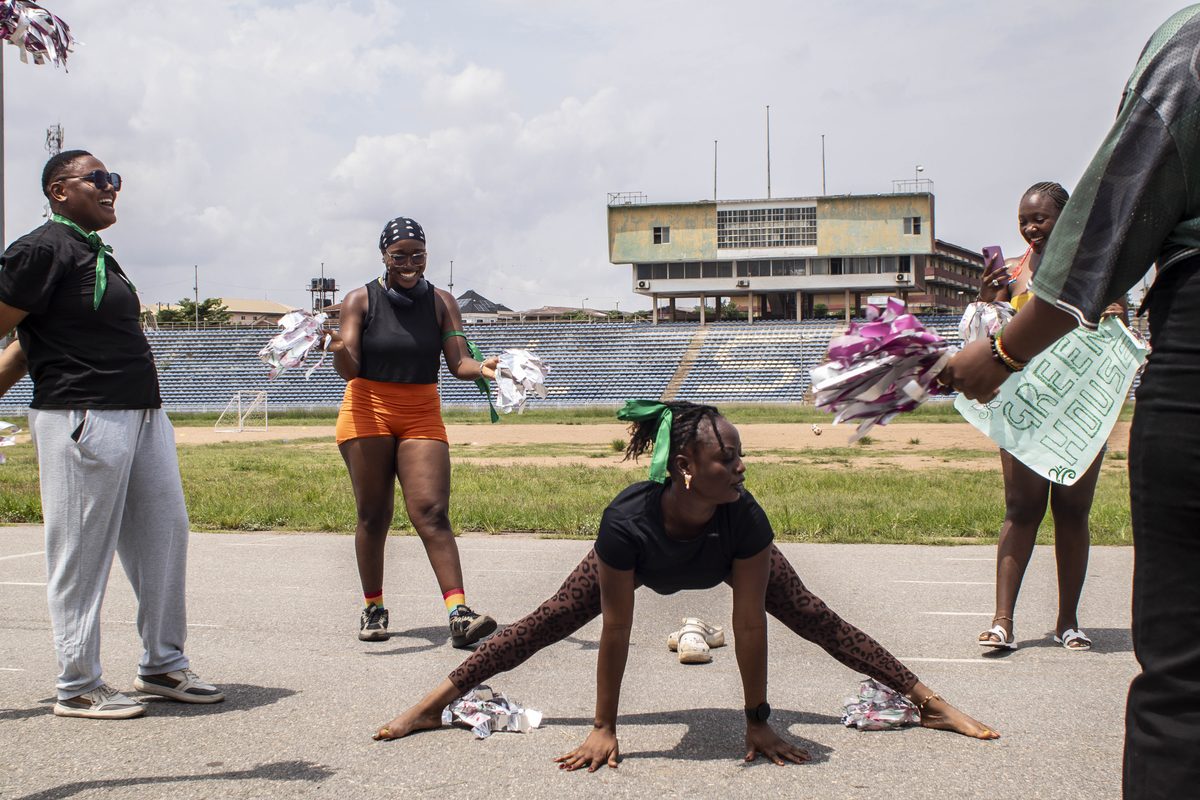
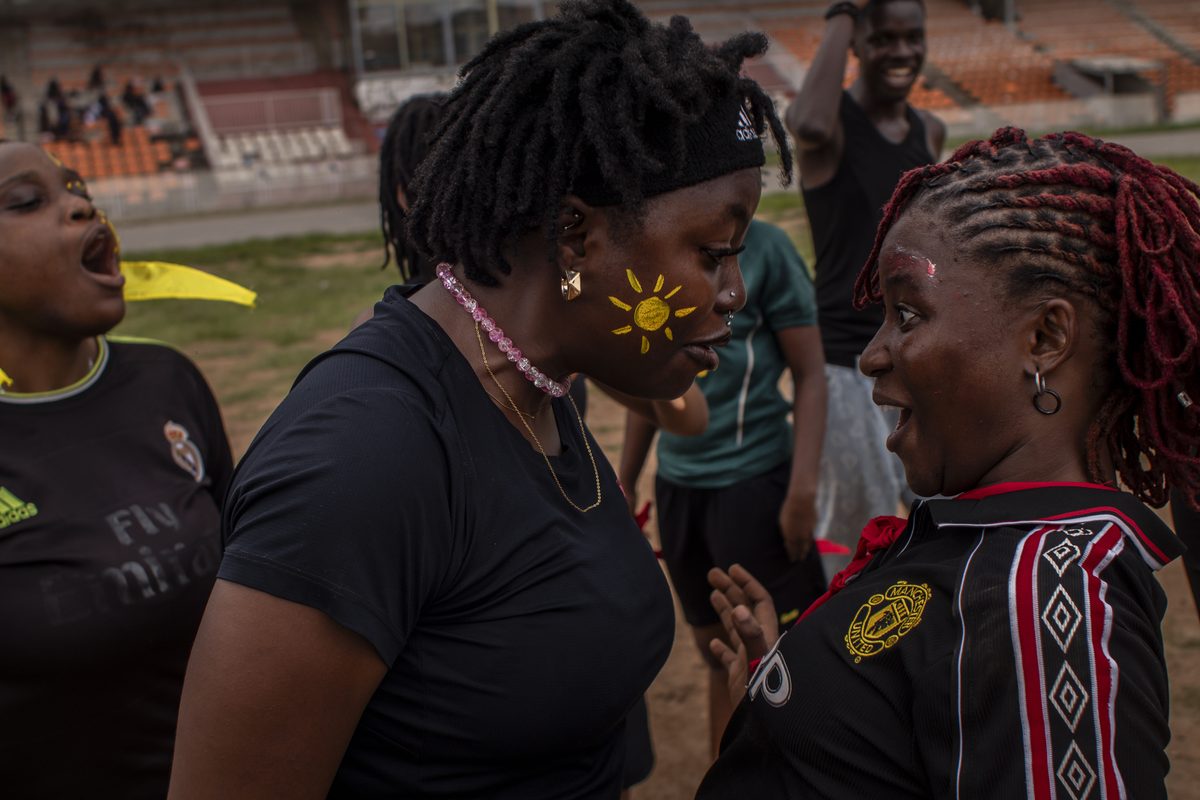
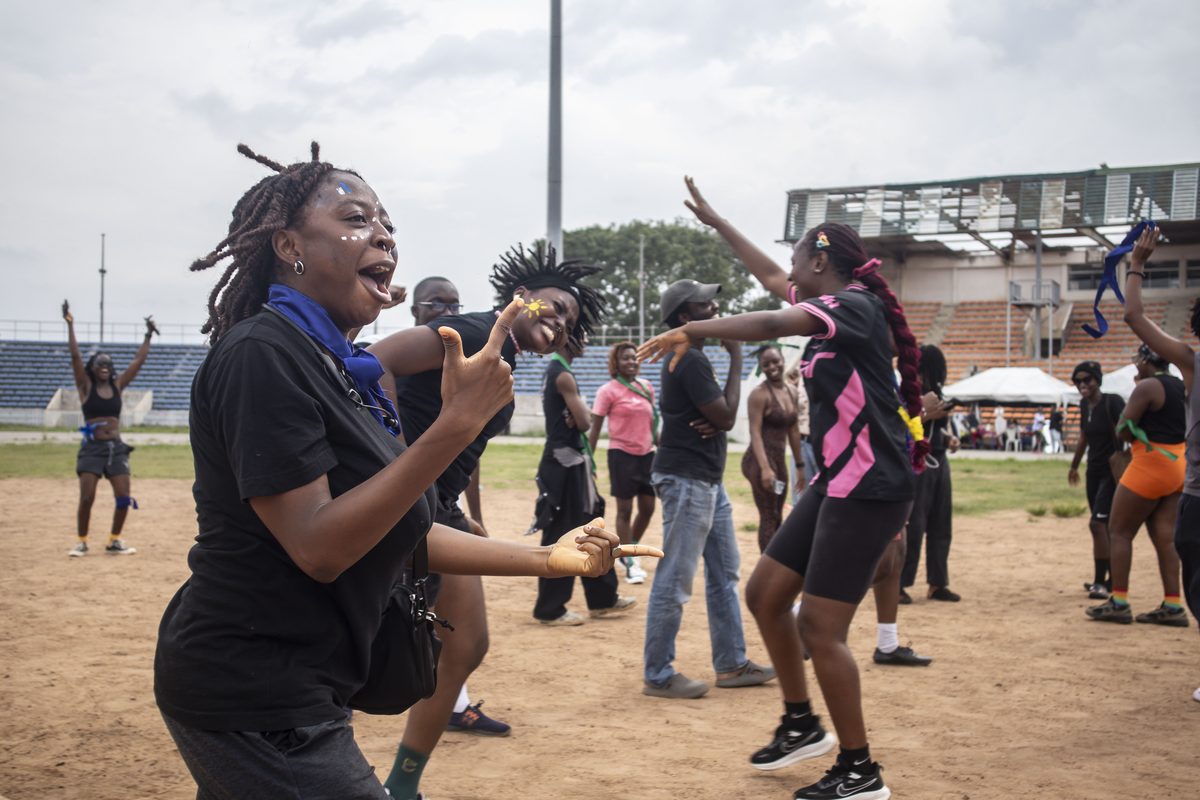
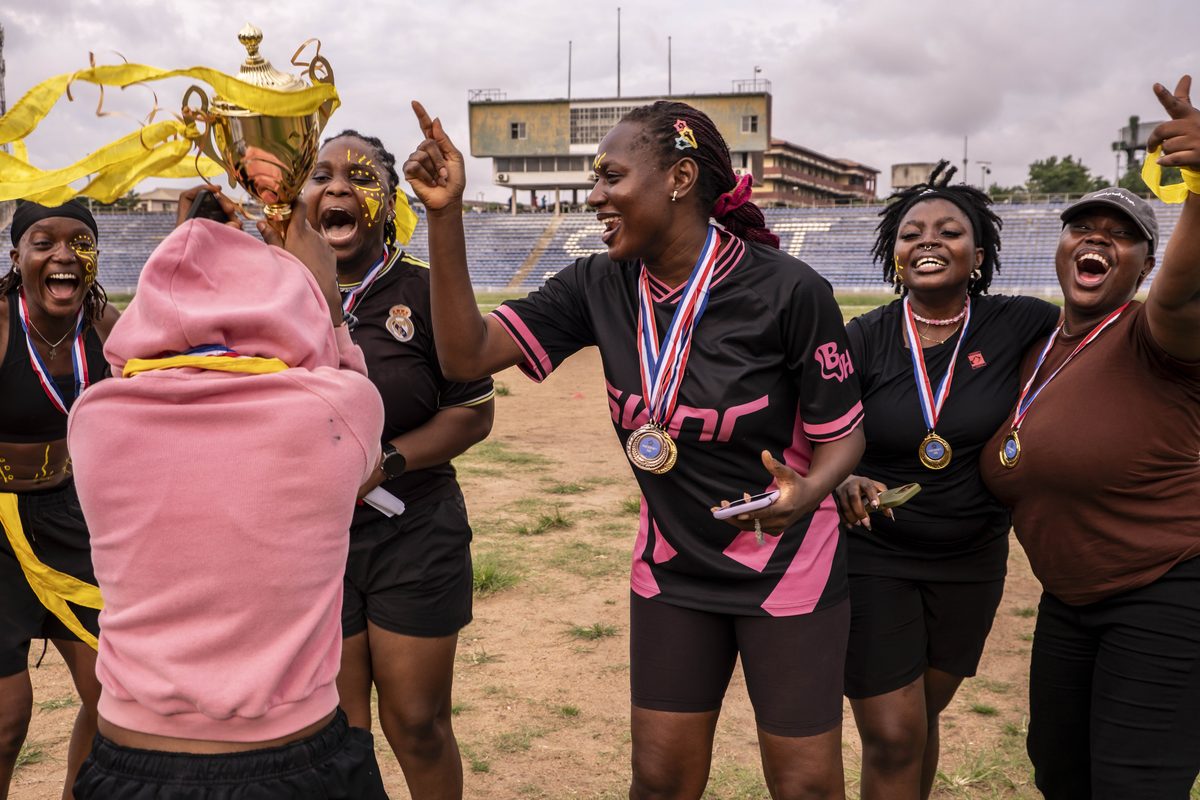
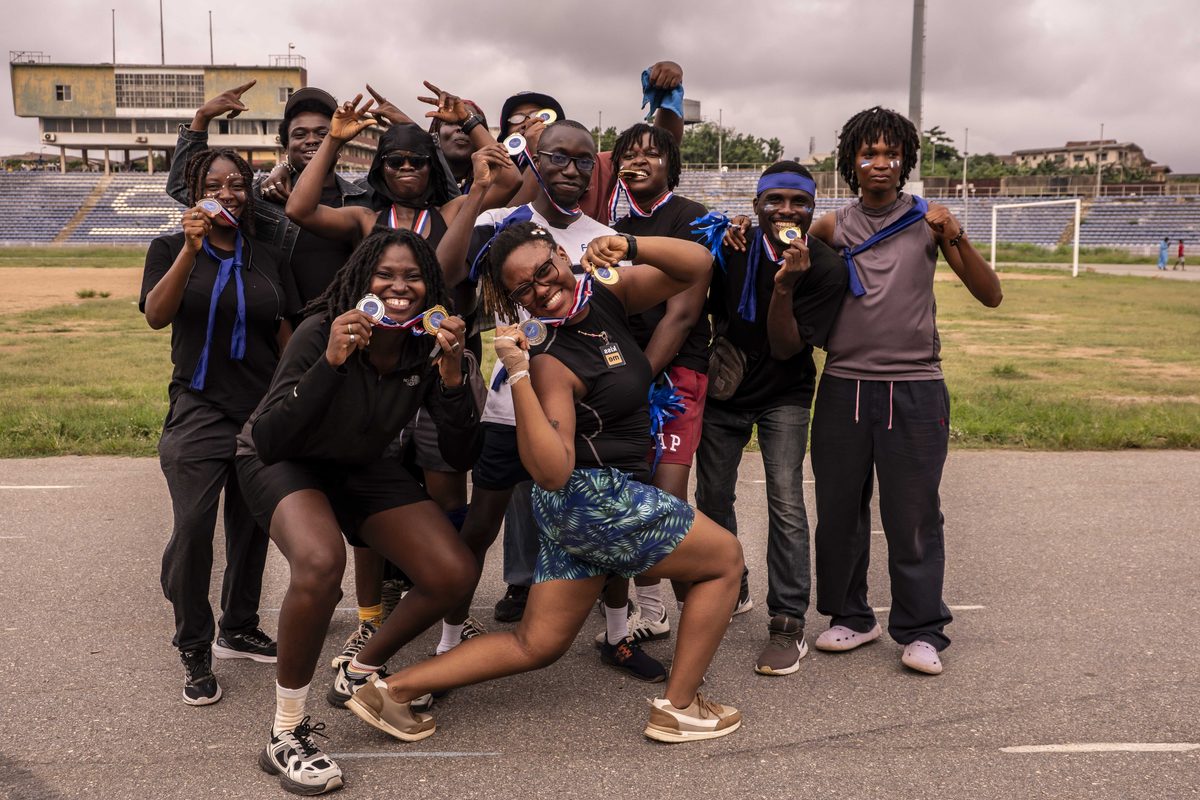
Dressed in yellow, green, blue and red bands, participants entered the field carrying flags, dancing to music and performing choreographed displays for spectators gathered around the pitch. Some vogued. Others twirled, twerked, and bent their bodies into poses that drew cheers from teammates. The parade transformed an ordinary sports ground in Ibadan into something else entirely: a stage for self-expression, joy and belonging.
In another country, it might have looked like a routine community sports day. In Nigeria, where queer existence continues to be met with hostility and legal restrictions, the gathering carried a different weight. This was an act of resistance built through celebration and teamwork.
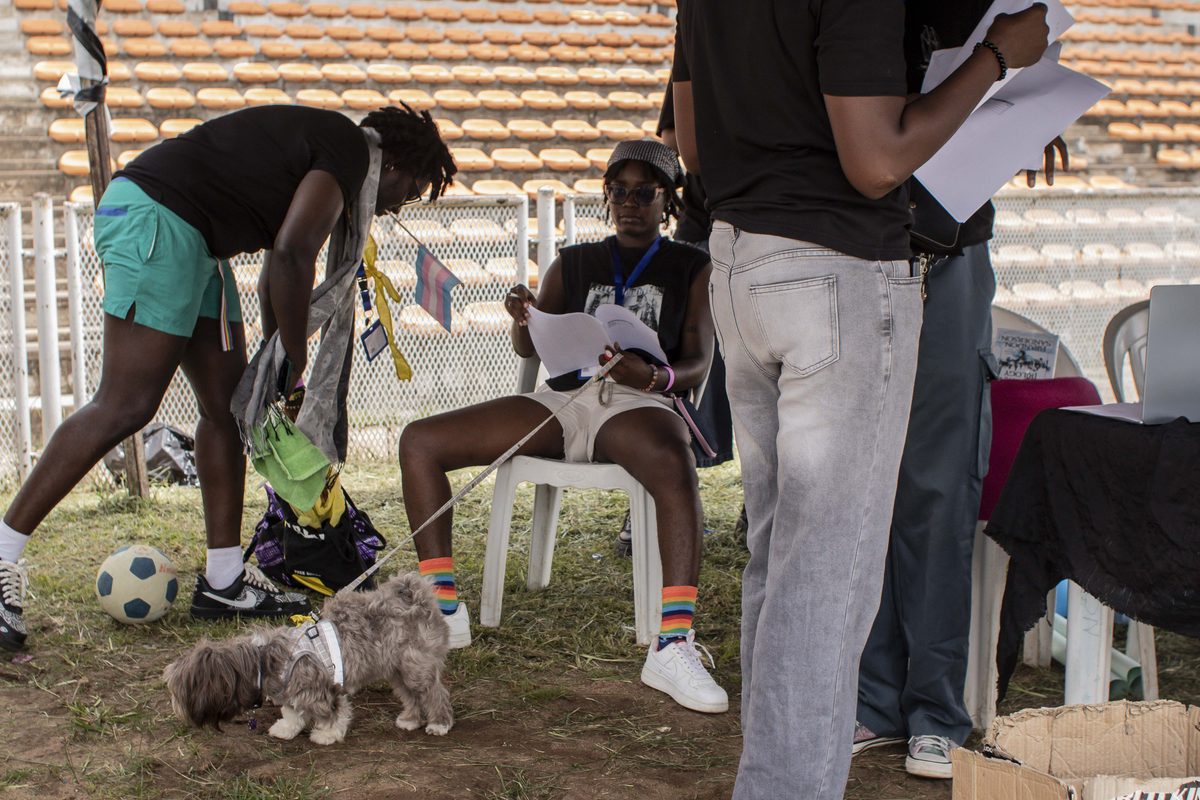
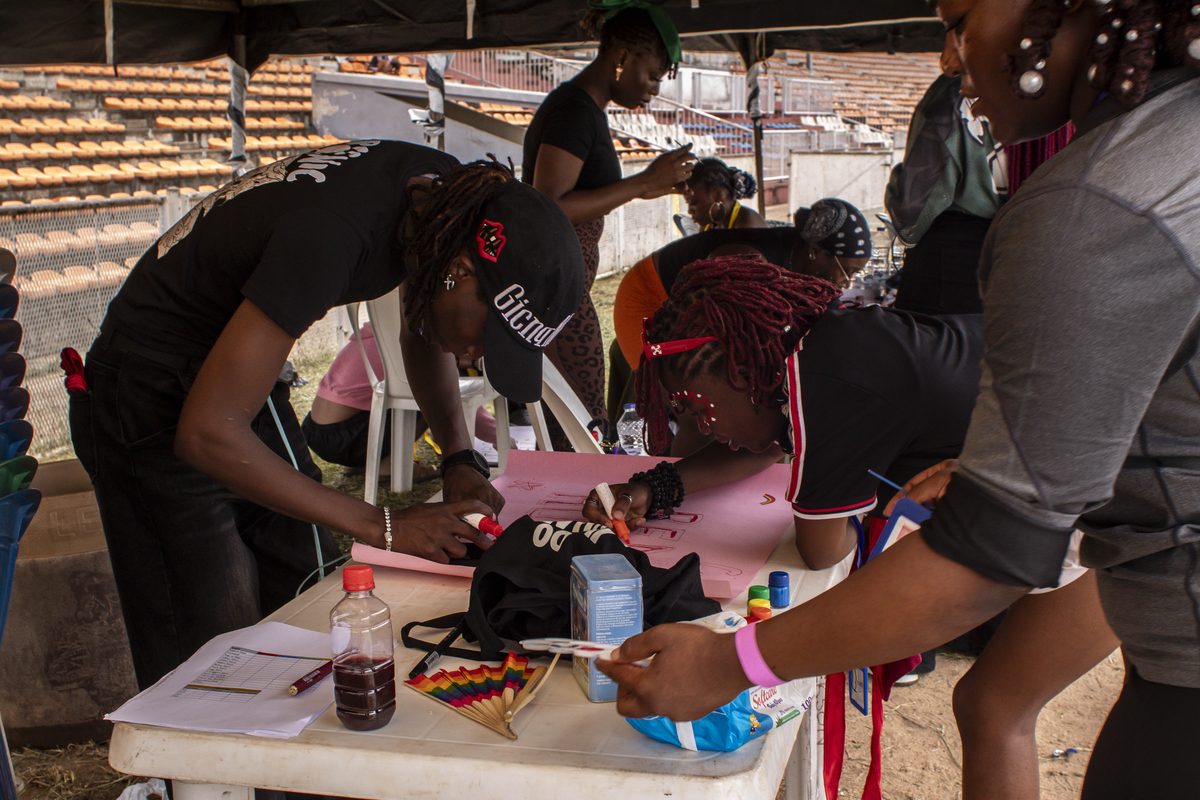
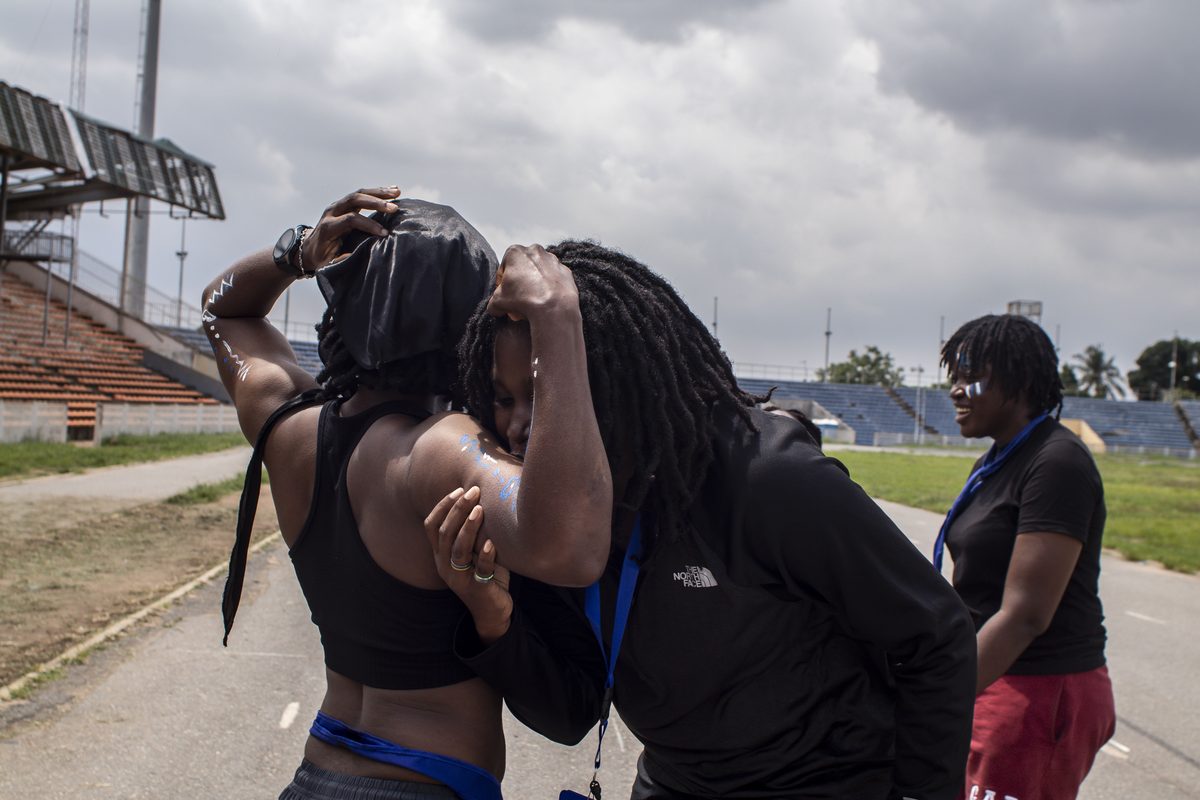
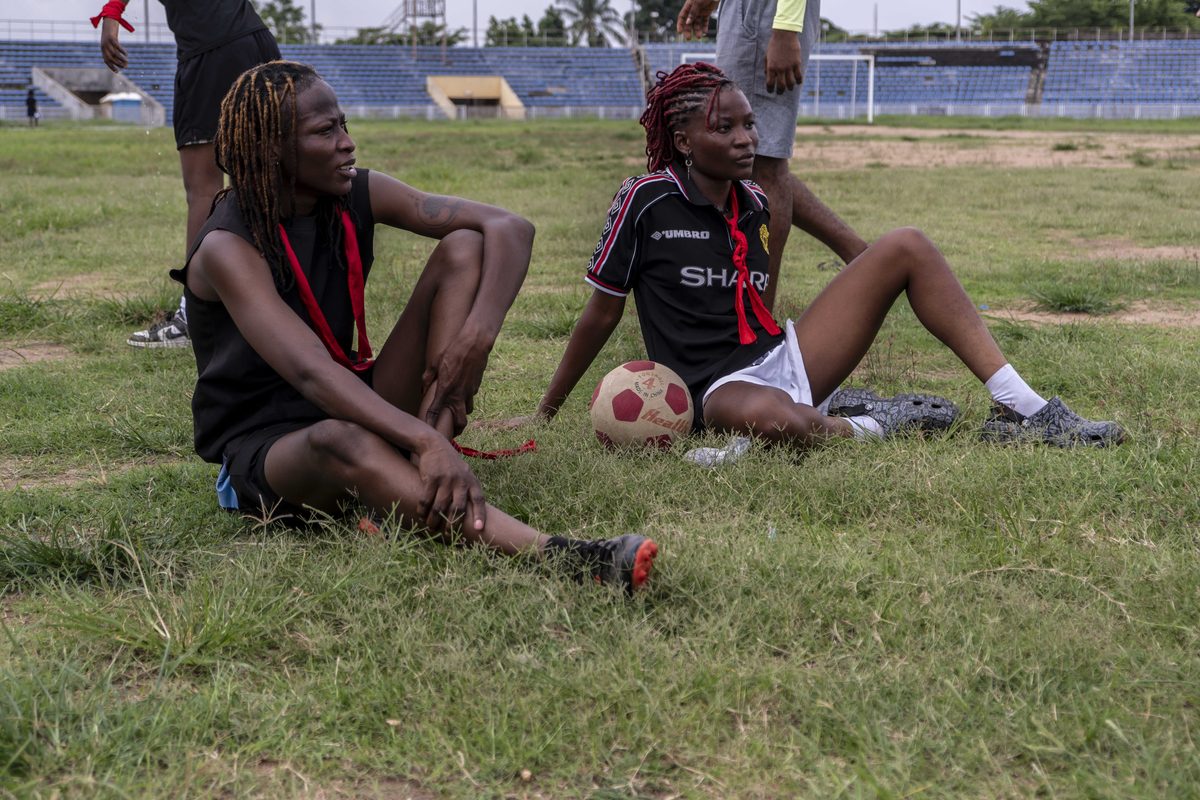
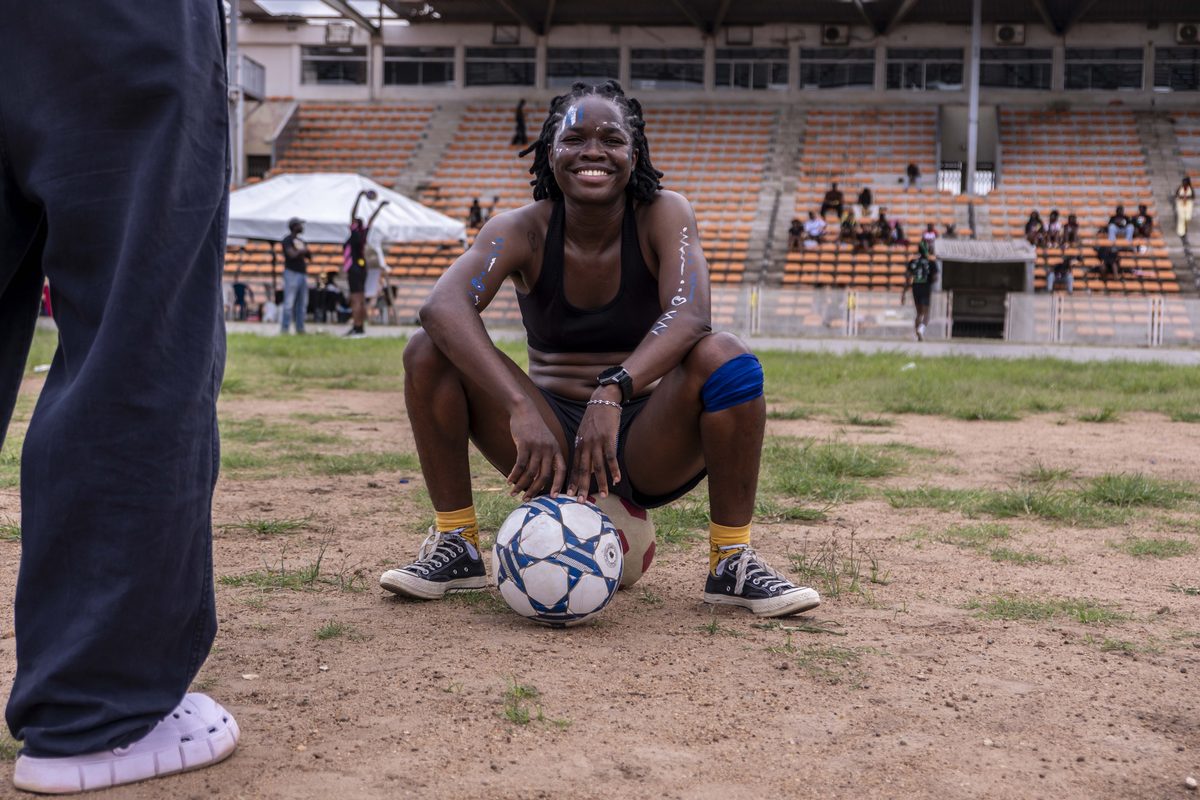
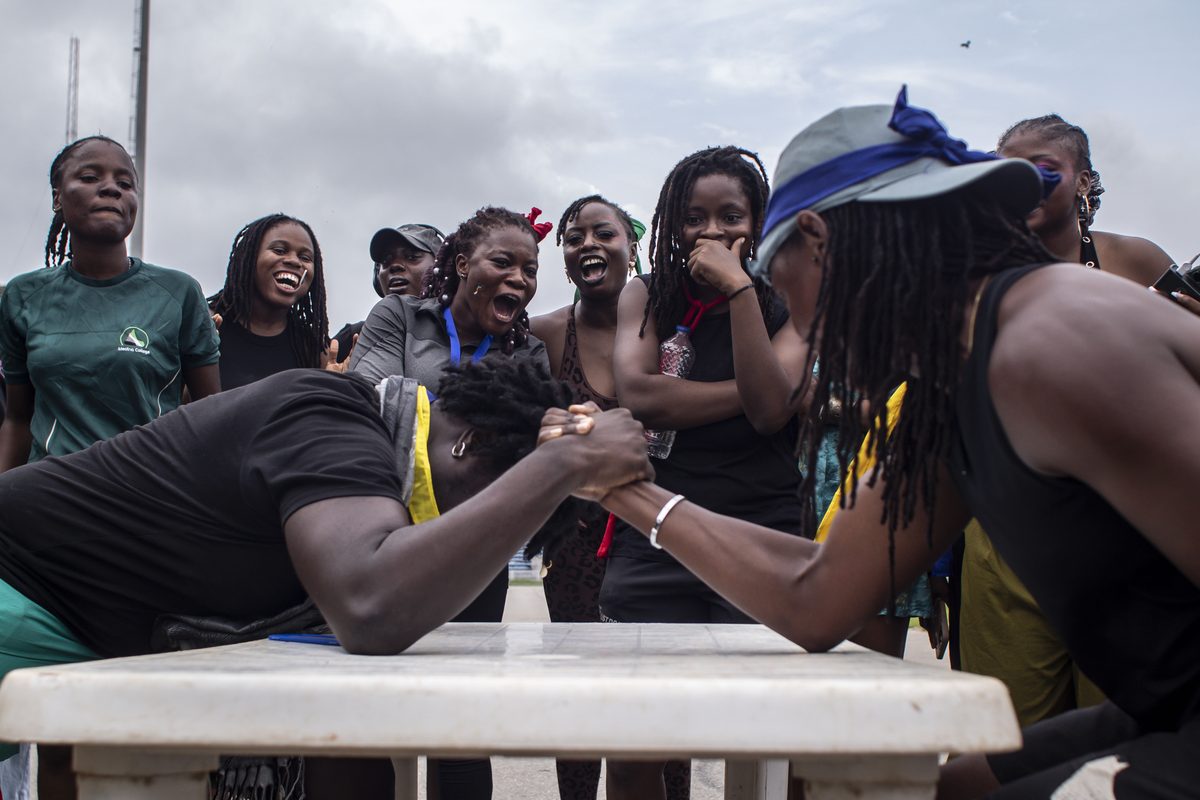
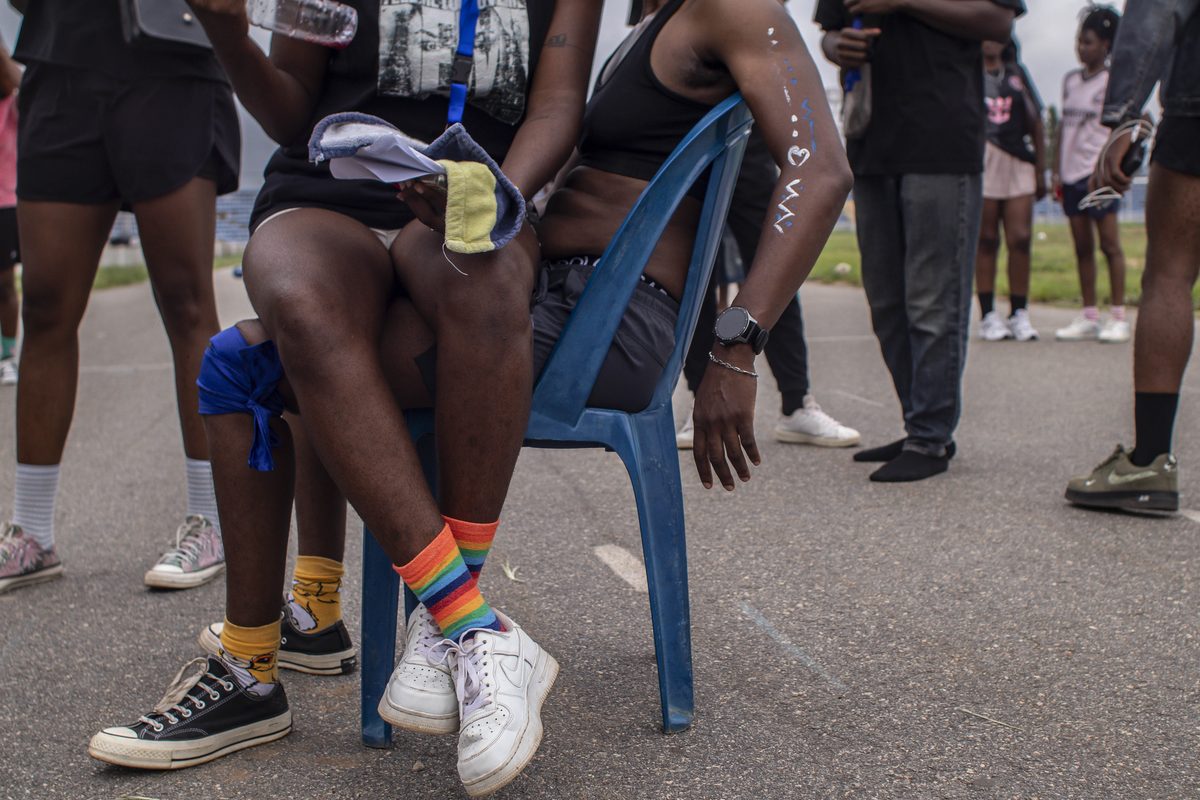
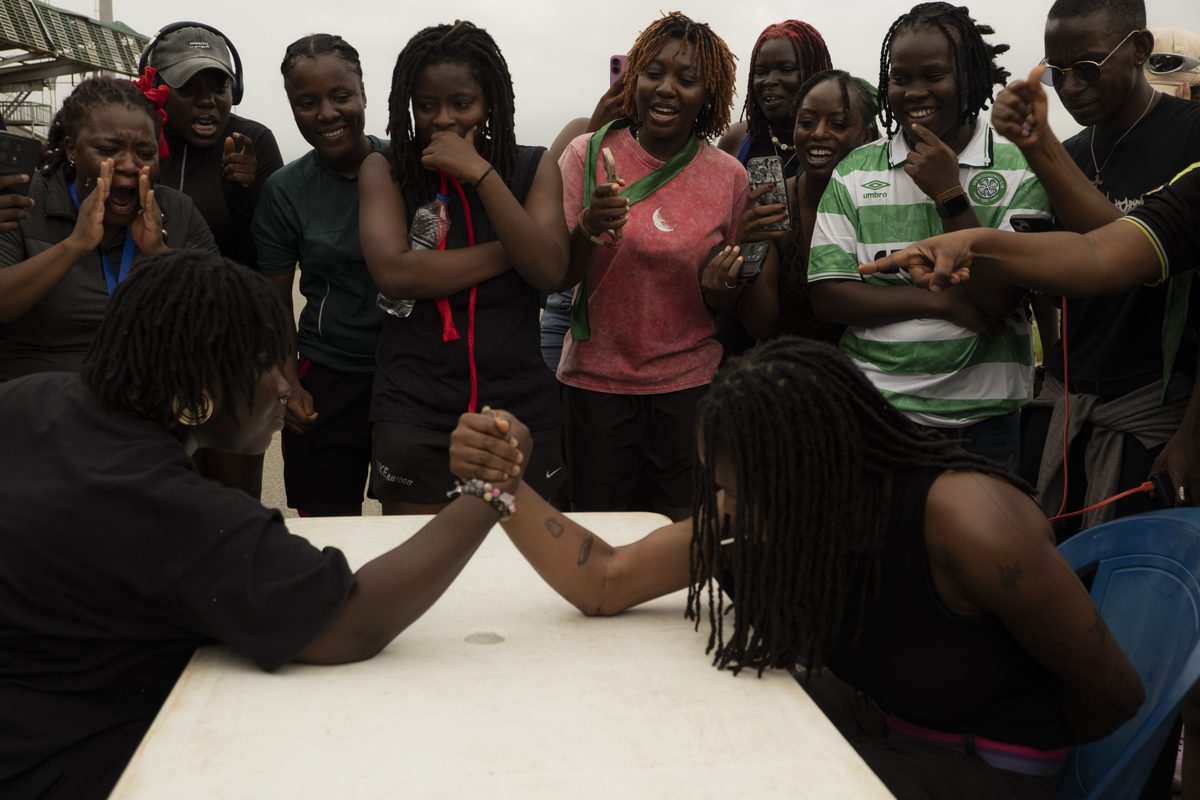
The stories often told about queer Nigerians focus on violence and exclusion. Those realities remain important. On this field, another story unfolded. Between races, participants traded jokes, shared food, posed for photographs, and cheered for one another from the sidelines. Strangers became teammates. Teammates became friends.
Moving through the crowd with a camera, I was struck by the ease with which people occupied the space. There was laughter everywhere. There was competition too — fierce enough to inspire arguments over points and loud celebrations after victories — but the dominant feeling was camaraderie. For many attendees, the opportunity to gather openly among other queer people appeared just as important as the games themselves.
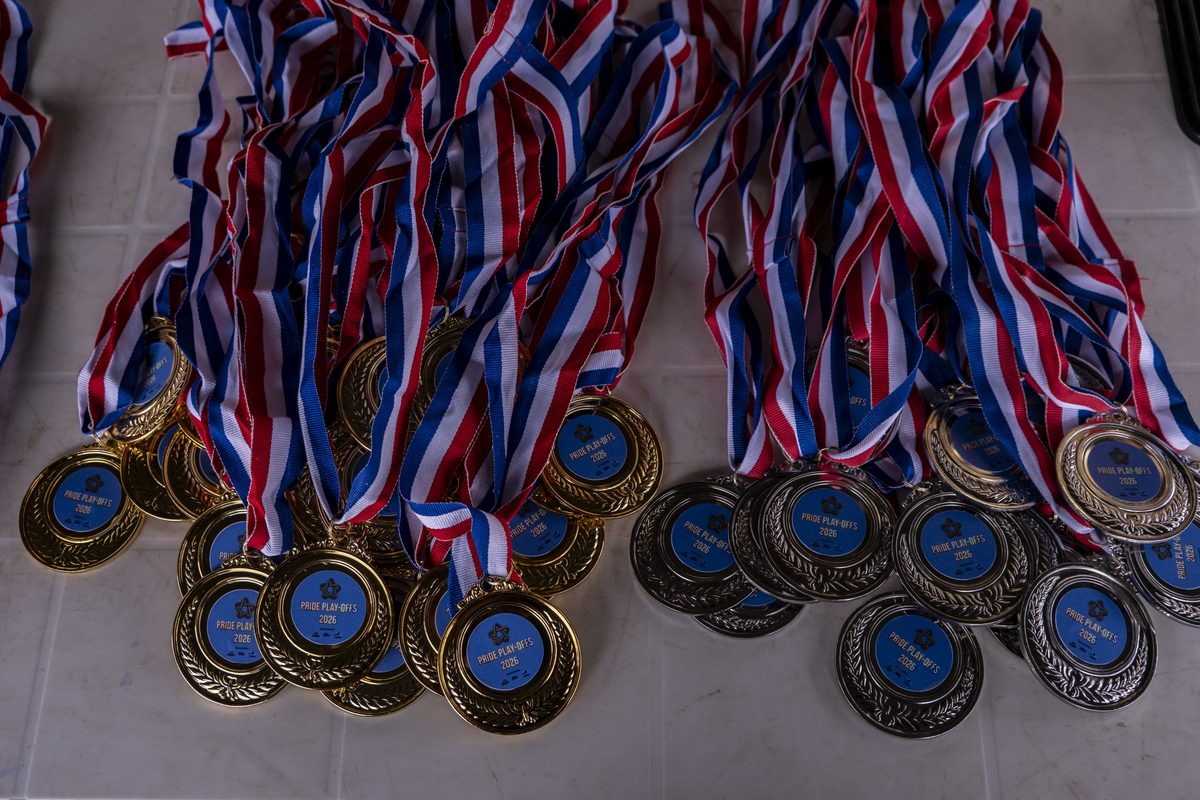
By the end of the day, Yellow House emerged as the overall champion, lifting the first PridePlayoffs trophy and earning playful claims that yellow had become the new colour of victory. But the organisers’ greater achievement lay elsewhere.
For one day, they created a space where queer people could run, dance, compete and celebrate together without apology.
The success of the event has already convinced organisers to make Pride Playoffs an annual tradition. In a country where queer spaces are often temporary, the promise of return may be its most significant legacy. What does it look like when queer people create traditions of their own? This is it.
Want more queer sports content? Get your hands on our Sports Issue.
Show some team spirit! Subscribe to Autostraddle’s print magazine.

Comments
This is so beautiful and looks so fun! Congratulations to all involved. Thanks for writing this.
Gorgeous photos. Thanks for sharing! Love Green House’s pom poms.
incredibly brave to face off against the islamist militias spreading hate and be your true self in the open, it makes me cry tears of joy