





all photos by Eli Schmidt
To many on the outside, strength sports seem like a masculinity-obsessed, all-male freak show. But what I found when I entered the strength sports world was completely the opposite of anyone’s perception. There were men of all ages, races, sizes, and capabilities, of course, and there were so many other kinds of people, too. While there are certainly gyms that are majority male and cishet, I found there are many spaces that are commanded by diverse groups of people with an even larger diversity of bodies. Queer and trans people — and I’m not talking about just gay men — account for a not-so-insignificant amount of this diversity. And the popularity of strength sports continues to grow steadily amongst LGBTQ+ people all over the world.
However, as with many amateur and elite/professional sports, the miraculously inherent and unquestioned inclusivity, camaraderie, and support I and many other queer and trans people have experienced in our own corners of the strength sports world doesn’t extend to the few associations and governing bodies that rule over sanctioned strength sports competitions. USA Powerlifting (USAPL), the International Powerlifting Federation (IPF), the Strongman Corporation, United States Strongman (USS), and the United States Powerlifting Association — the federation that I have competed and earned Florida state powerlifting records in — all have gendered categories for competition and policies limiting or excluding the participation of trans athletes, especially in the women’s division. Many calls have been made to amend these policies and even consider other ways of categorizing athletes, but so far, only Powerlifting America has heeded that call to some degree.
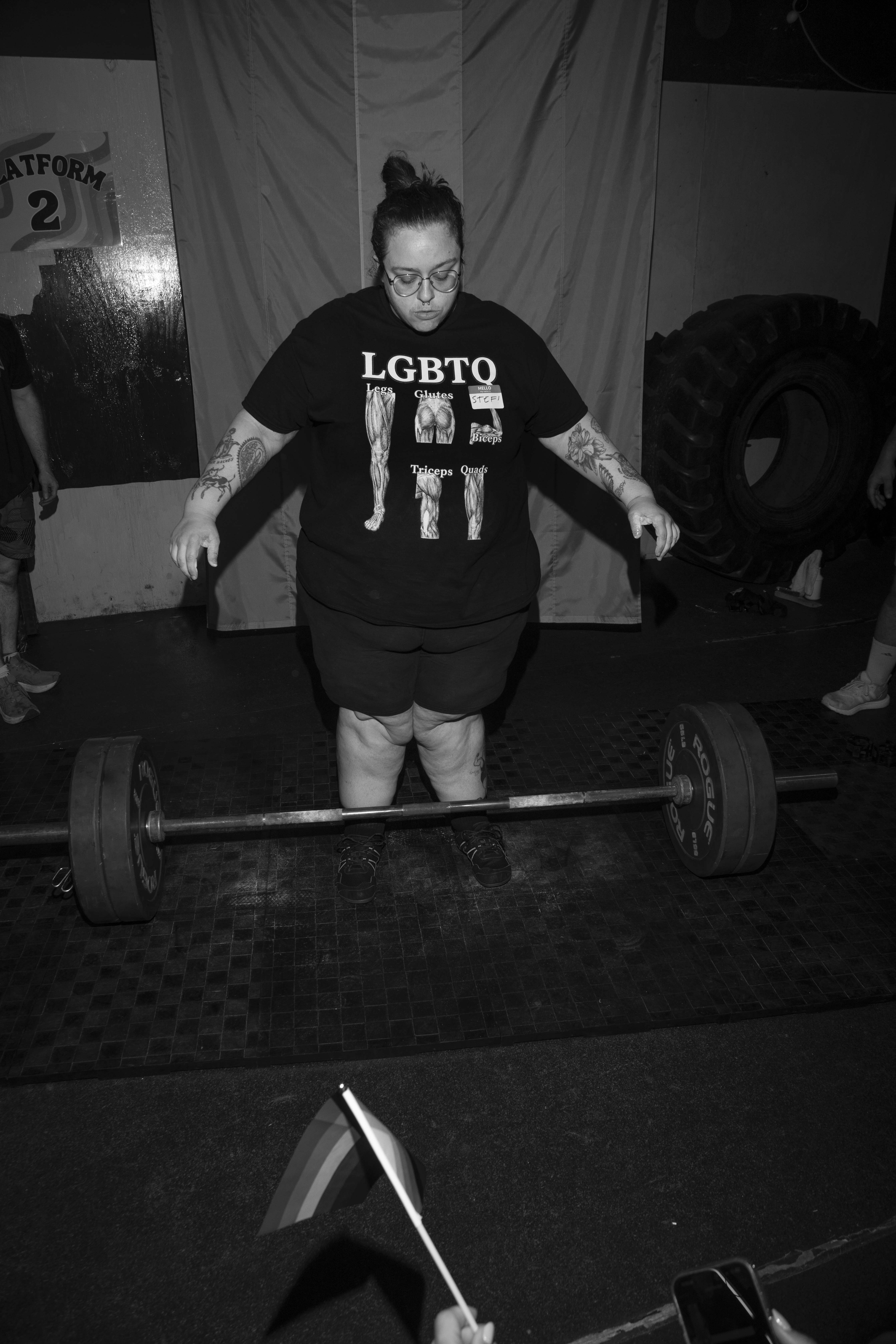
Since I began competing, this reality has weighed on me in both political and personal ways. I don’t identify as a woman, so competing in the women’s category comes with an uncomfortable dose of dysphoria every time I sign up. And as a matter of politics, it feels immoral to compete in federations that can’t and won’t honor my identity or the identity of other queer and trans people. I’ve been thinking about this for the last year and having conversations on how we can begin to overcome it. Then, earlier this summer, as the decision came down from the Supreme Court to uphold state bans on trans girls and women in athletics, I found myself caught again in a conversation spiral lamenting the fact that queer and trans athletes, myself included up until now, haven’t decided to just up and leave these federations in pursuit of starting our own.
While some people might think this can’t be done on a large scale, I’m lucky enough to have actually seen its possibility in action. In response to the lack of inclusivity for queer and trans athletes in the powerlifting space, the Rain City Powerlifting Union (RPCU) — an unsanctioned powerlifting organization headed by Le Carr and based out of Seattle’s Rain City Fit — began to provide that space for all who want to be recognized for who they are and compete outside of the trans-exclusive policies upheld by other powerlifting federations.
“I loved the best parts of powerlifting: the camaraderie, the community, and the badassery of lifting heavy weights,” Carr tells me. “But I wanted to leave behind some of the less accessible parts of the sport: strict weight classes, binary gender categories, membership fees, equipment mandates, and, unfortunately, the transphobia that existed in many spaces. We jokingly made up our own federation name based on our gym, Rain City Fit, and started hosting unsanctioned lifting meets as fundraisers where 100 percent of the money raised went back into our community. Anyone could participate and registration was offered on a sliding scale basis.”
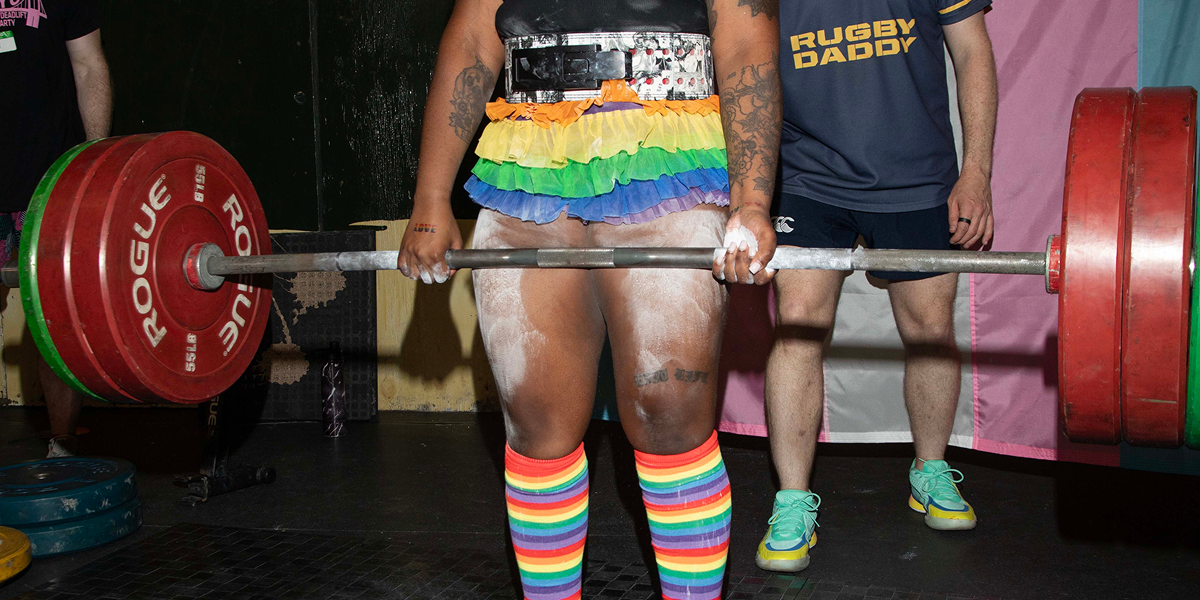
As the RPCU’s involvement in the community grew, so did their organization of other kinds of events for powerlifters of all identities. During Pride in 2022, the RPCU held their first annual Pride Deadlift Party in Seattle, drawing hundreds of queer, trans, and ally powerlifters and spectators to an event featuring just the deadlift. That first year, 125 people signed up for the Pride Deadlift Party, and this year, 325 people participated. To my knowledge, it is easily one of the largest inclusion-focused lifting competitions in the world.
That spirit of inclusion is even reflected by the choice of lift. Deadlifts — often affectionately referred to as “the King of the Lifts” because of how many muscles are required to perform them and how tough people look while doing them — typically have the lowest barriers for entry when it comes to people who are just beginning their powerlifting journeys. “Most people already perform some version of a deadlift in their daily lives,” Carr explains. “Picking something up off the floor, moving boxes, carrying groceries into the house…those are all deadlift patterns.”
“It’s also less intimidating,” Carr continues. “You don’t have to balance a barbell on your back or hold one over your face. If you miss a deadlift, the bar simply goes back to the ground. There’s only one command to remember, compared to two for the squat and three for the bench press.”
On top of that, at most powerlifting competitions, the audience’s view of the deadlift is the least obstructed, so spectators are generally extremely enthusiastic about watching someone grind through a heavy pull.
“It’s inclusive across body types, experience levels, and athletic backgrounds, and it’s one of the purest displays of strength there is,” Carr says.
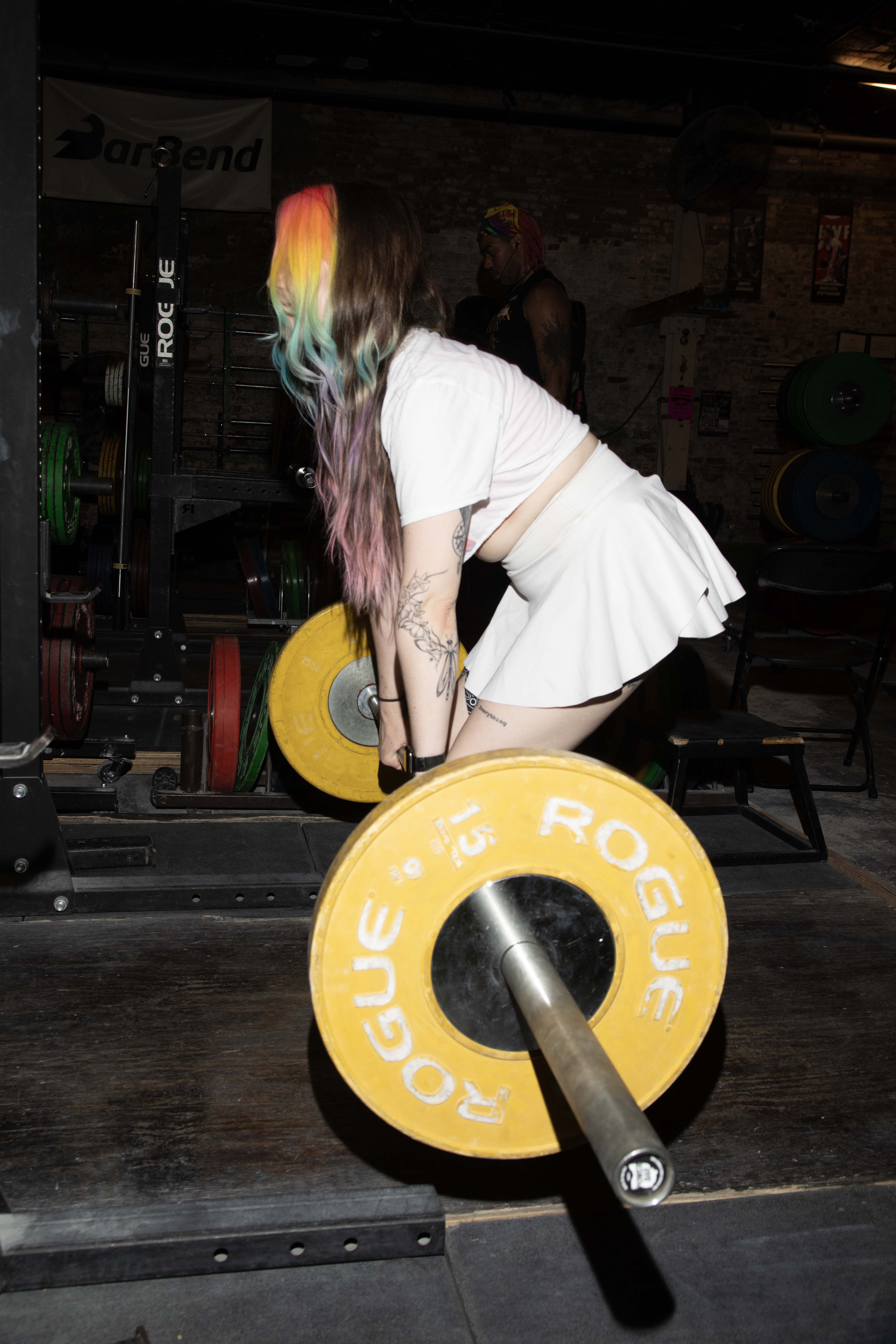
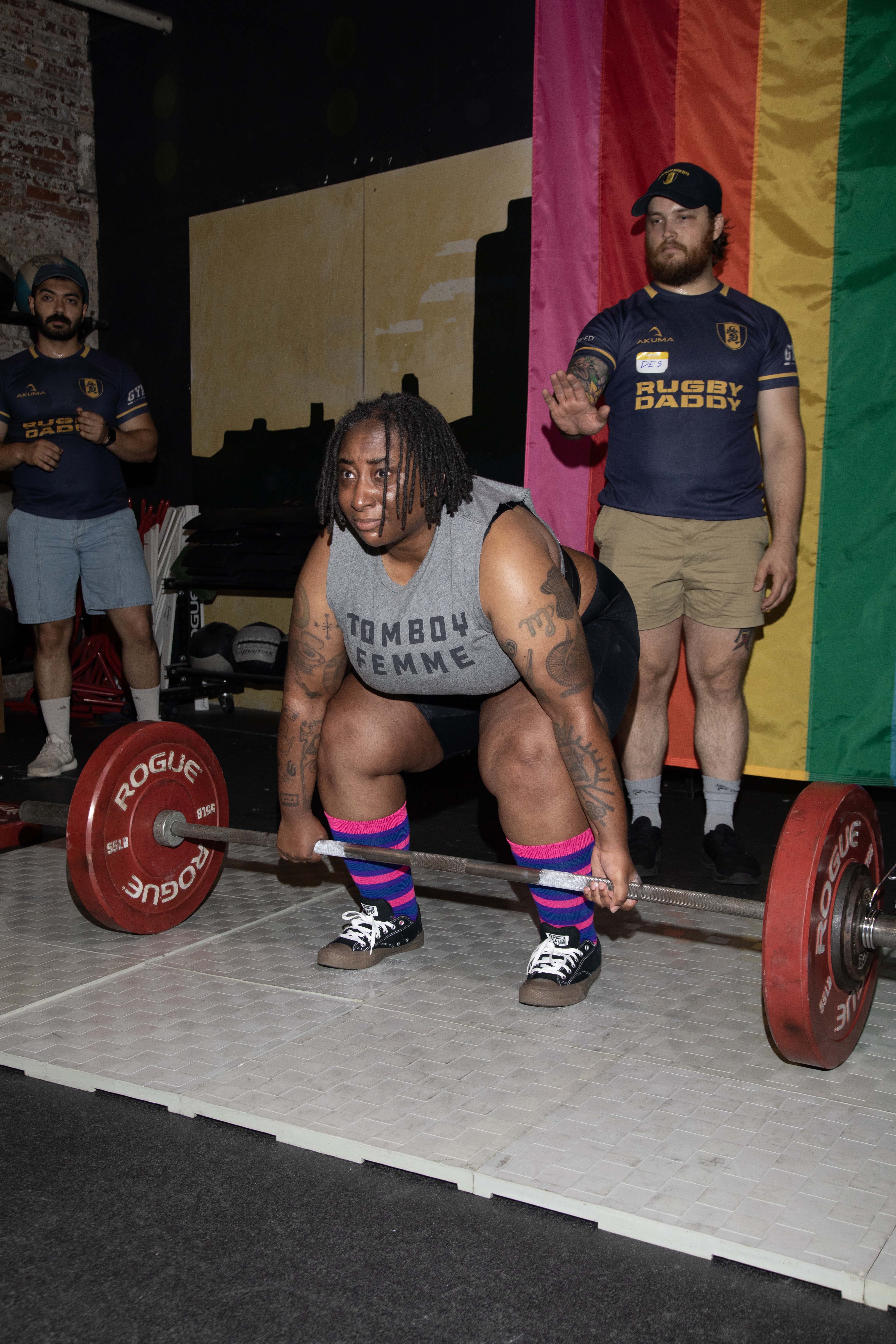
In 2024, the RPCU Pride Deadlift Party expanded to Nashville, Tennessee, and this year, with the help of Konner Nelson and Murder of Crows Barbell Club, the Pride Deadlift Party made its way to Brooklyn, New York, where many queer and trans powerlifters — myself and Autostraddle’s own Motti — were able to participate in an event of this nature for the very first time.
Nelson, who lived in Seattle and was a member of Rain City Fit before the Pride Deadlift Party began, was inspired to bring the event to NYC after watching his friends in Seattle participate for the last few years. “It finally clicked that I have the free will to reach out and see what it took to get the event rooted in New York, as well,” Nelson says. He used that free will to send Carr an email seeking mentorship on how to bring a similar event to New York. In August 2025, they got on a call and put the NYC version of the Pride Deadlift Party into motion.
Read more about queer strength sports in Autostraddle’s latest print issue!
I ask Nelson why he thought it was time for the Pride Deadlift Party to make its debut in NYC, “It is one of the queerest cities in the country,” he says. “The city has space for every person, any identity, and the space between where identities intersect.” Those ingredients make it a perfect host city for an event like this.
“NYC felt like a natural fit,” Carr adds. “It’s such a vibrant city with an enormous queer community, incredible diversity, and a long history of organizing and activism. If there was anywhere outside of Seattle that could take Pride Deadlift Party and run with it, it felt like New York.”
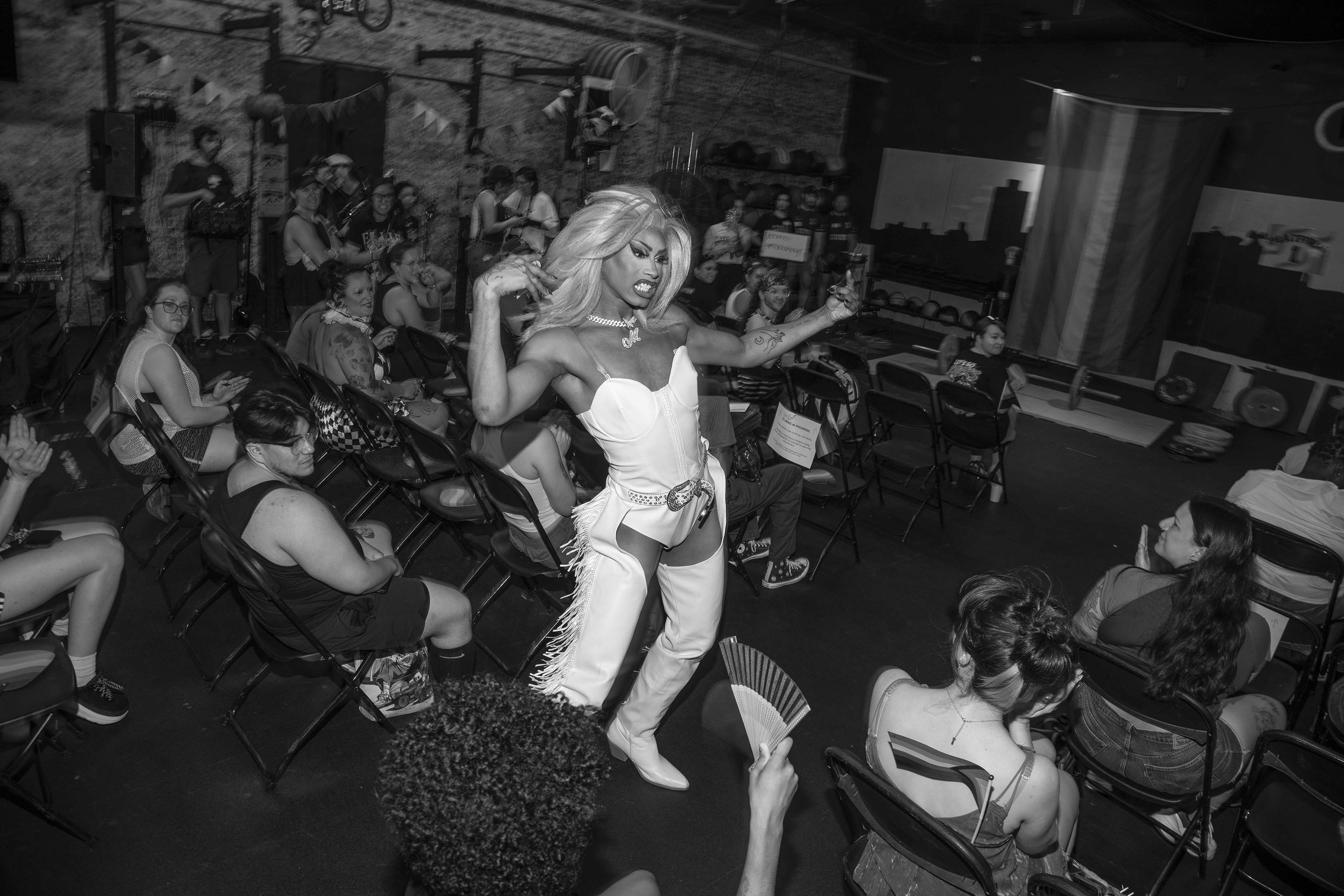
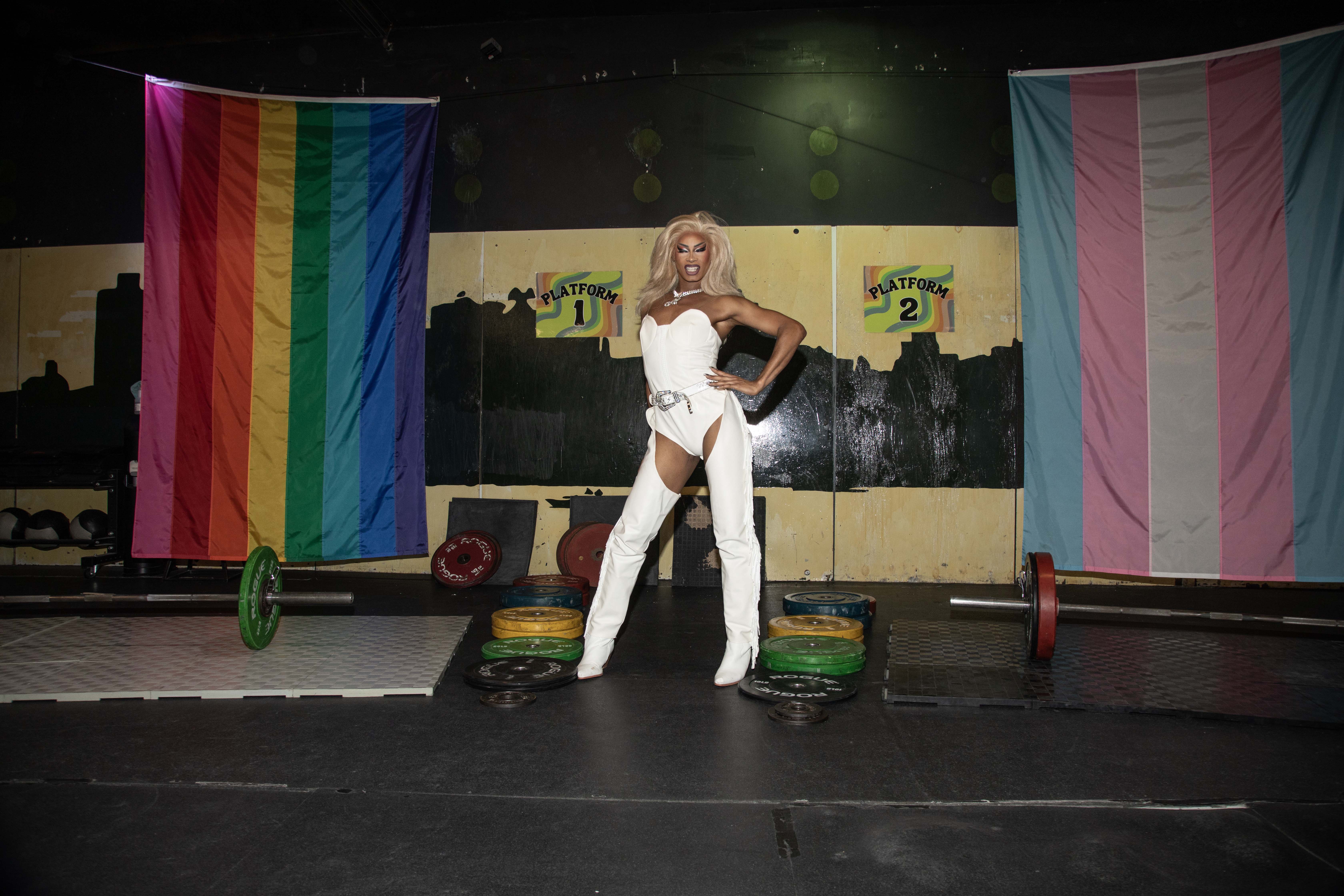
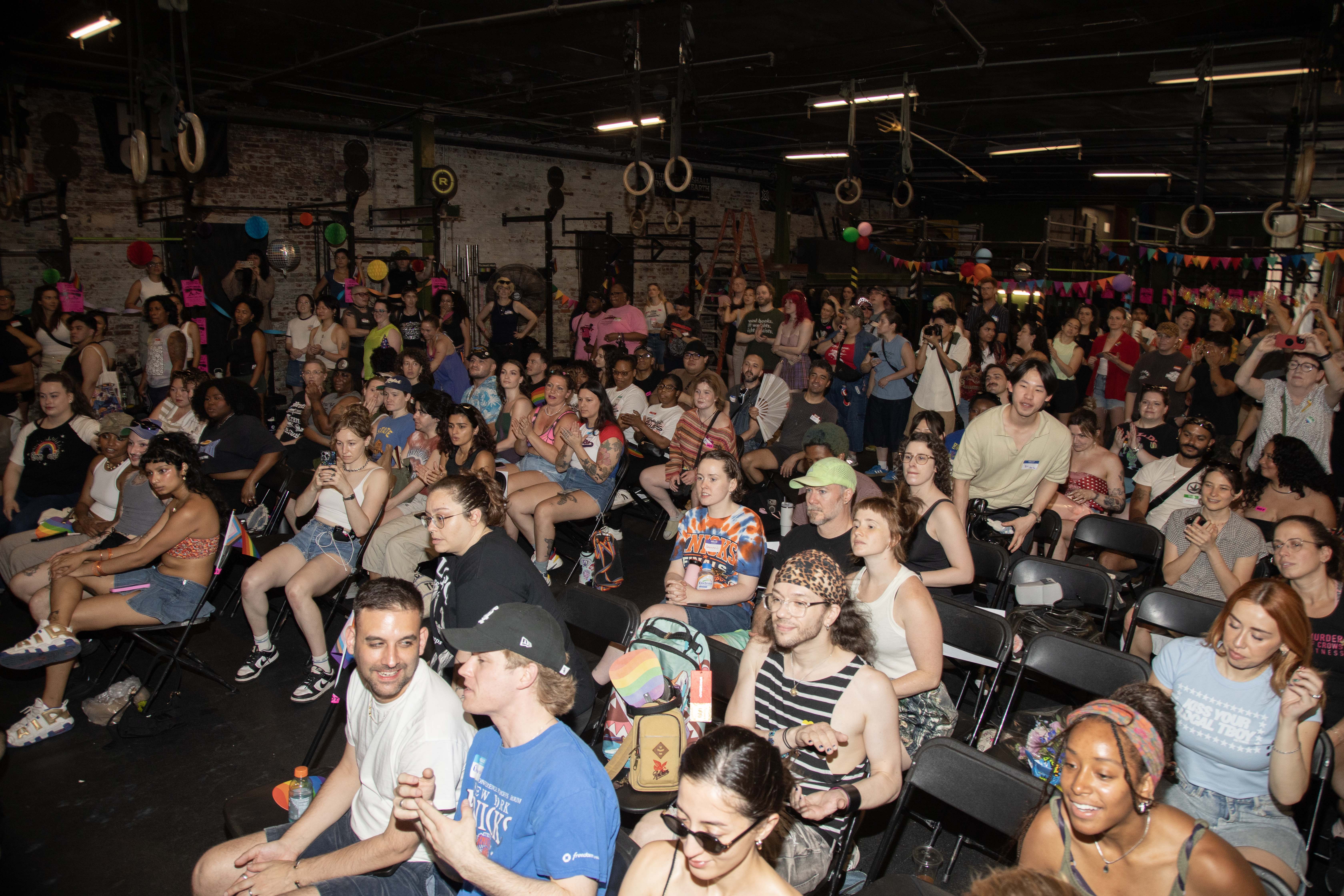
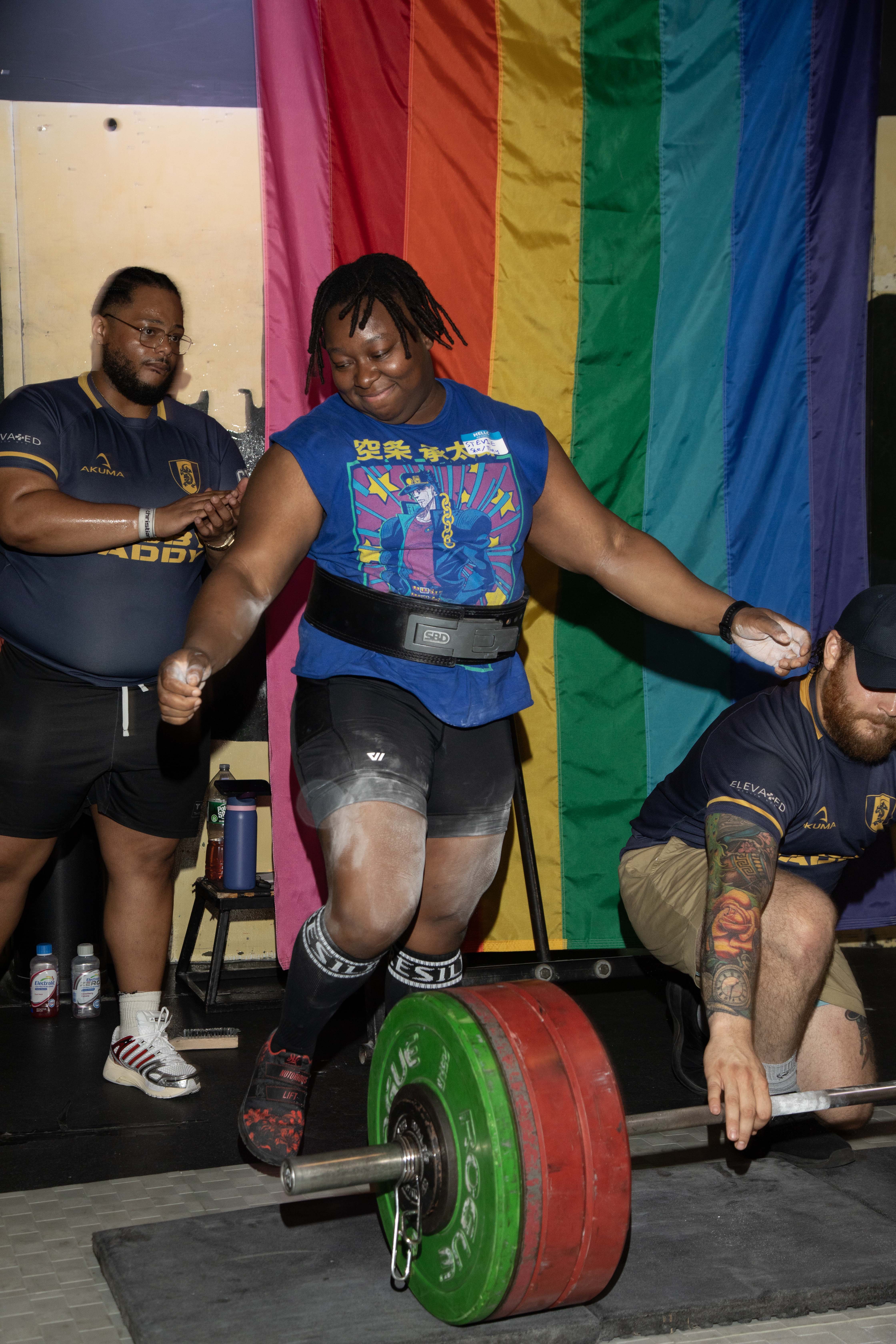
On June 19 this summer, the inaugural NYC Pride Deadlift Party commenced at Murder of Crows Barbell Club with 65 lifters and six lifting flights across two platforms, as well as a large crowd of spectators. Every seat in the house was filled, and many people had to stand to watch.
The party began with a drag performance from local drag queen Mariyae and featured more drag performances from Rify Royalty, Mo’Riah, Julie J, and Mehmooni (who also lifted on the platform!) interspersed in between lifting flights while music from DJ Eklektik Etnik kept everyone’s heart pumping and spirits up. There wasn’t a moment of stillness throughout the entire event. The crowd kept cheering and people — of all gender expressions, body types, and abilities — kept hitting new PRs or matching old ones they haven’t hit in a while. And no one, not a single person in the building, had to hide who they are for a single second.
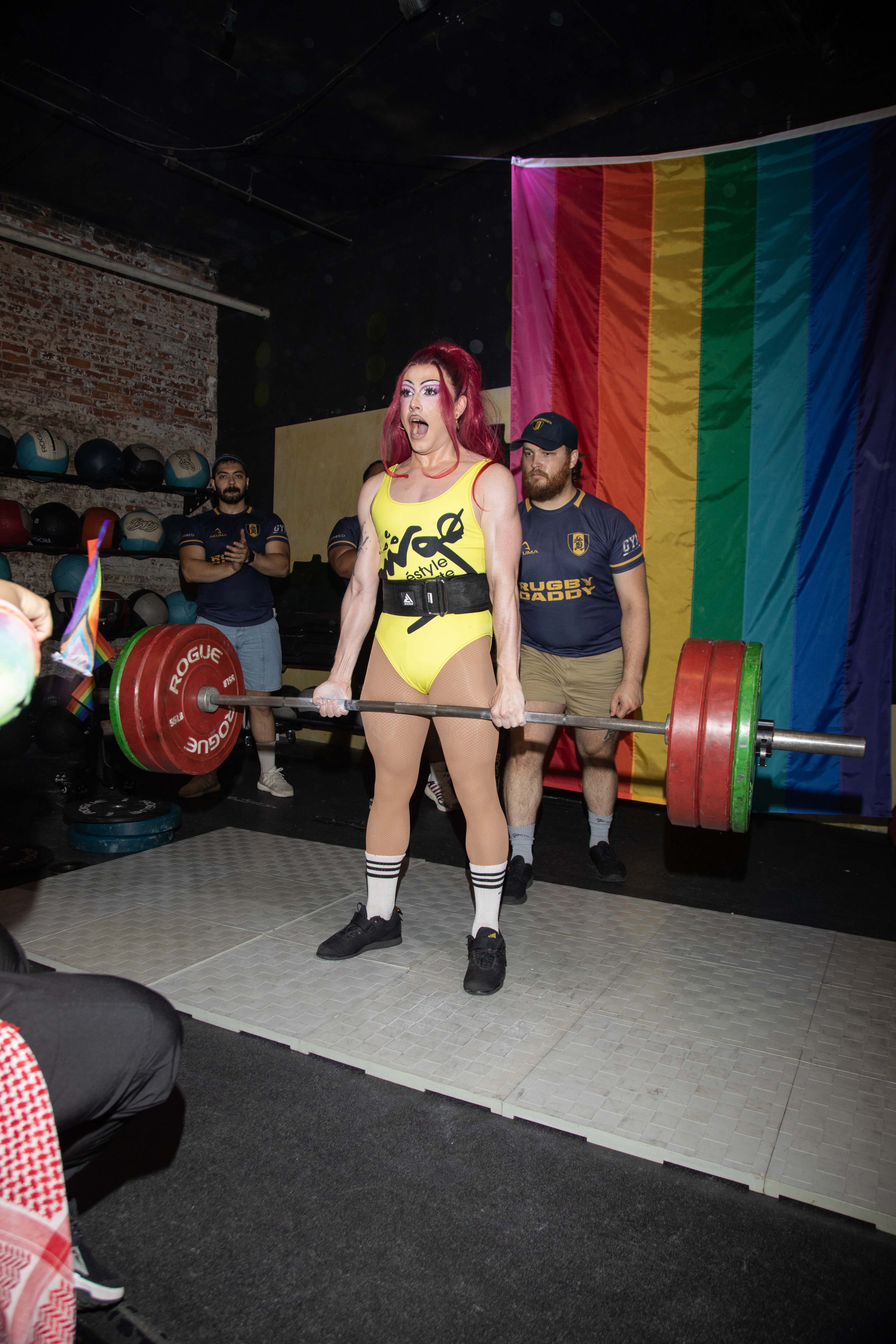
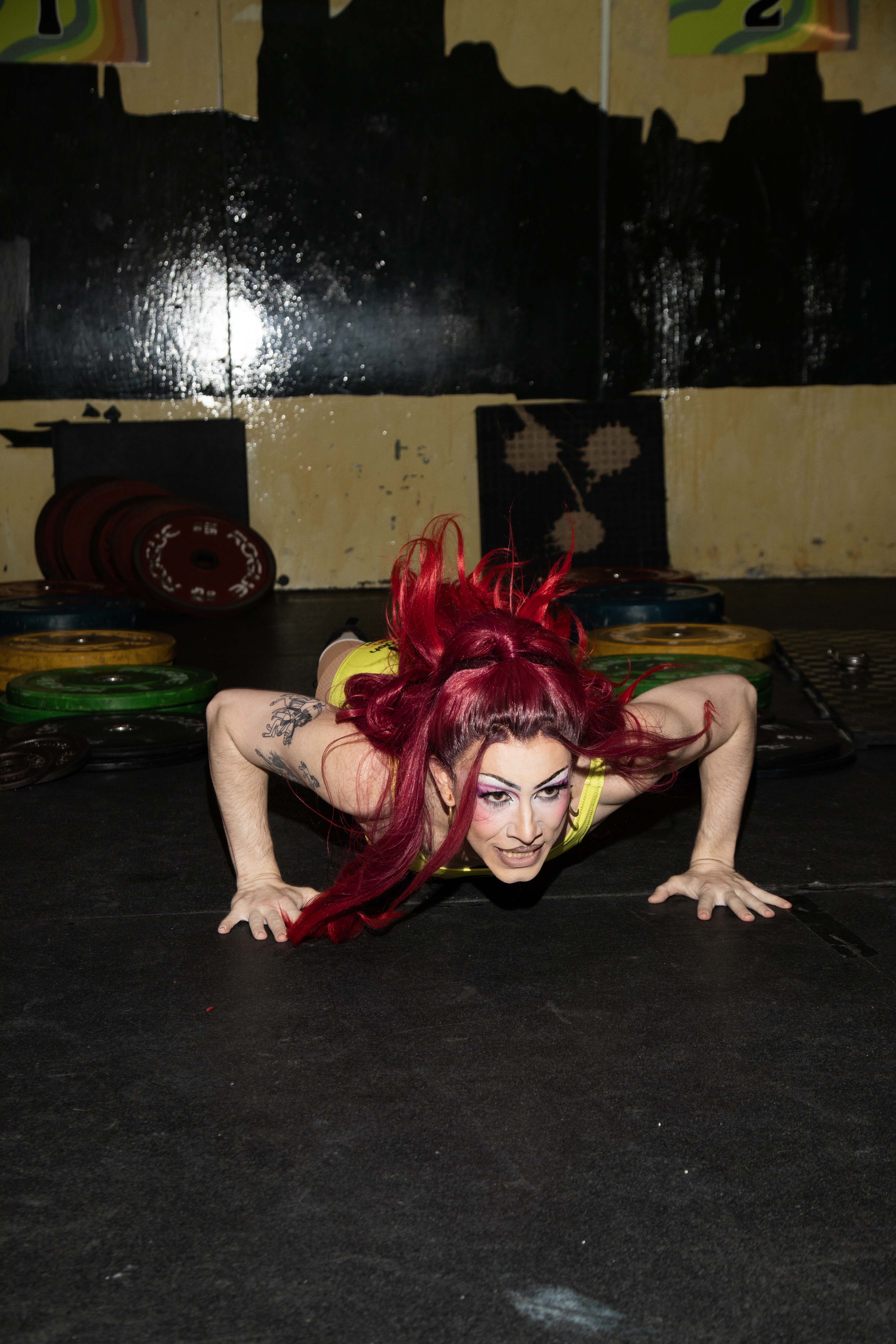
Like many queer and trans people who practice strength sports, my involvement in them feels directly linked to my queerness and gender-nonconformity, and it feels directly linked to living in a marginalized body. Powerlifting — and my little stints in strongman and highland games training — gave me new understandings of what my body could do and made me feel more in control of my biology than I’d ever felt in my whole life. I never felt like I could even be an athlete until that possibility was granted to me through my participation in strength sports.
“You don’t have to be a certain height, body type, age, or athletic background to be good at lifting,” says Carr, who has been powerlifting since 2014. “Strength sports create room for people who may have never felt at home in traditional athletics.”
“Many of us didn’t find confidence in ourselves, our bodies, or our athletic abilities until much later in life,” Carr continues. “Powerlifting is different because you can start at any time…As long as you’re willing to learn, anyone can do this. You don’t have to be naturally gifted. You don’t have to start when you’re ten years old. You just have to be willing to show up consistently and put in the work.”
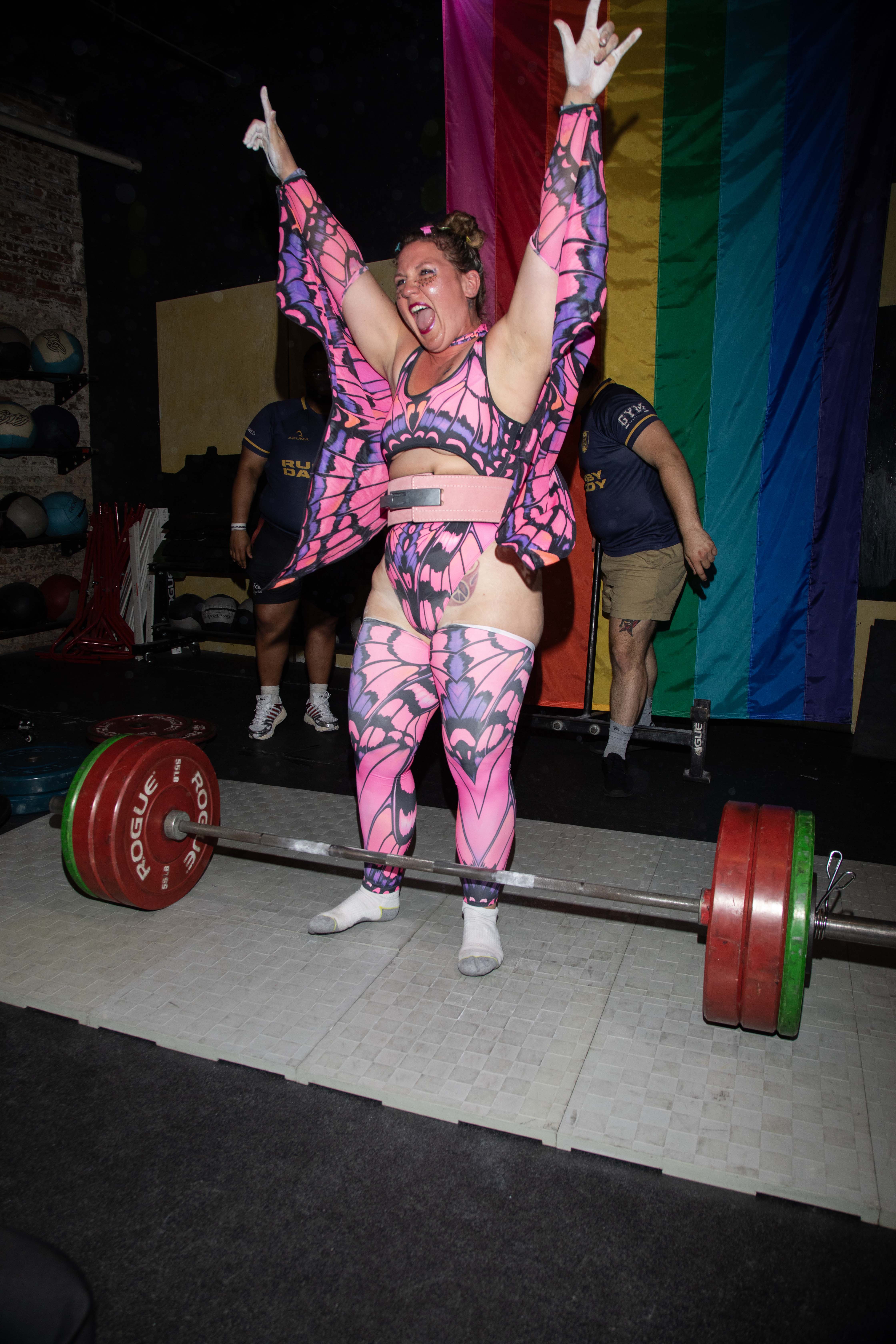
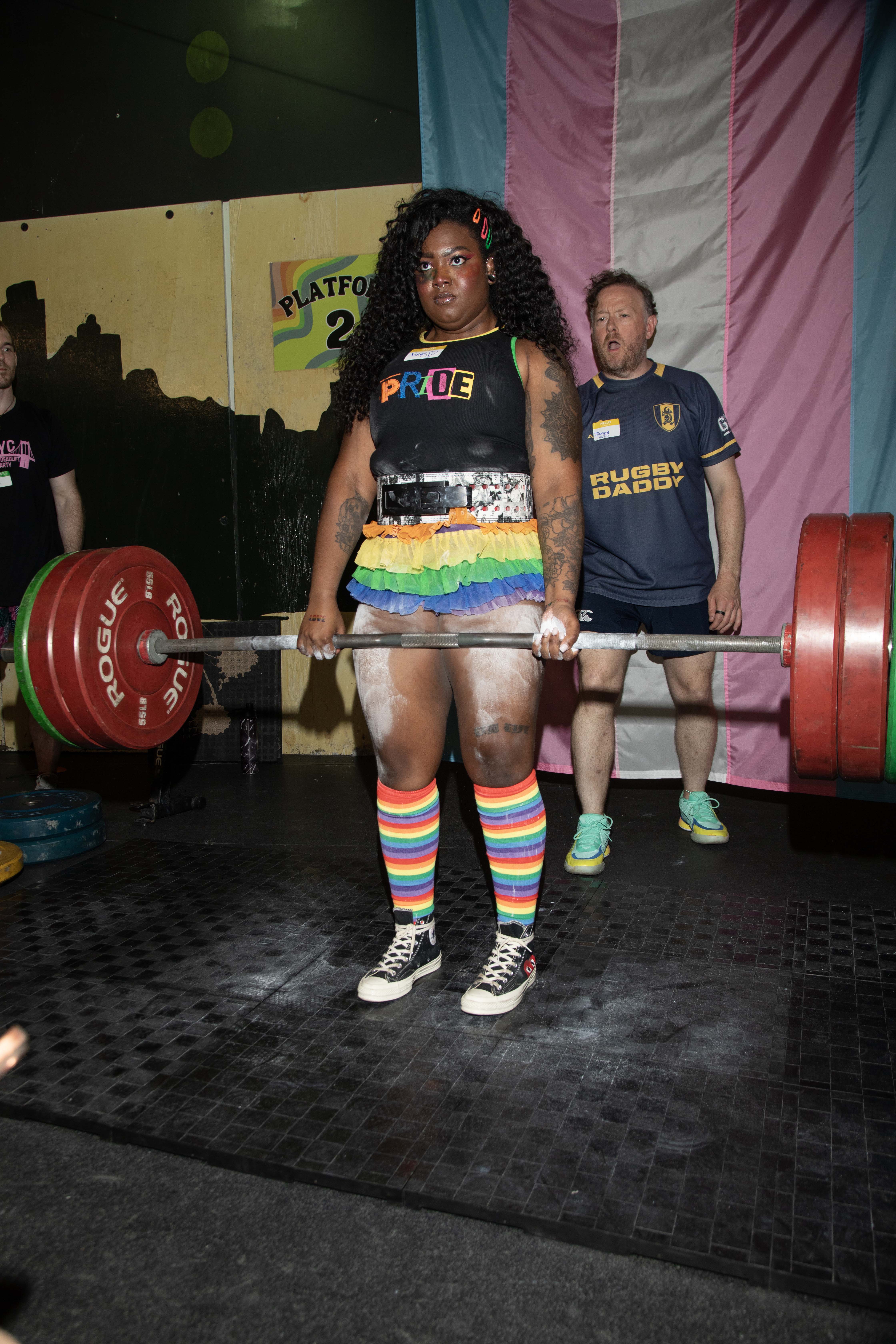
Last summer, I moved to NYC and fortunately found Uptown Strength, a strength gym that reminded me a lot of the gym home I left behind in South Florida, where other members quickly made me feel welcome and also like an essential part of the community. But because I’m new here and because I’ve been struggling internally about where to turn when it comes to competitive powerlifting, I really stayed focused on my time in the gym rather than setting my sights on another competition. In the spring, my social media algorithm finally served me in a positive way and led me straight to the flyer for NYC and Murder of Crows’s inaugural Pride Deadlift Party. I immediately texted my coach to tell him I was going to sign up, and then I texted my friends Motti and Bianca to recruit them for the event. This was my first time participating in a lifting event for queer and trans people by queer and trans people, and I was enthralled by the possibility of being part of something outside of the exclusive structure of most competitive powerlifting.
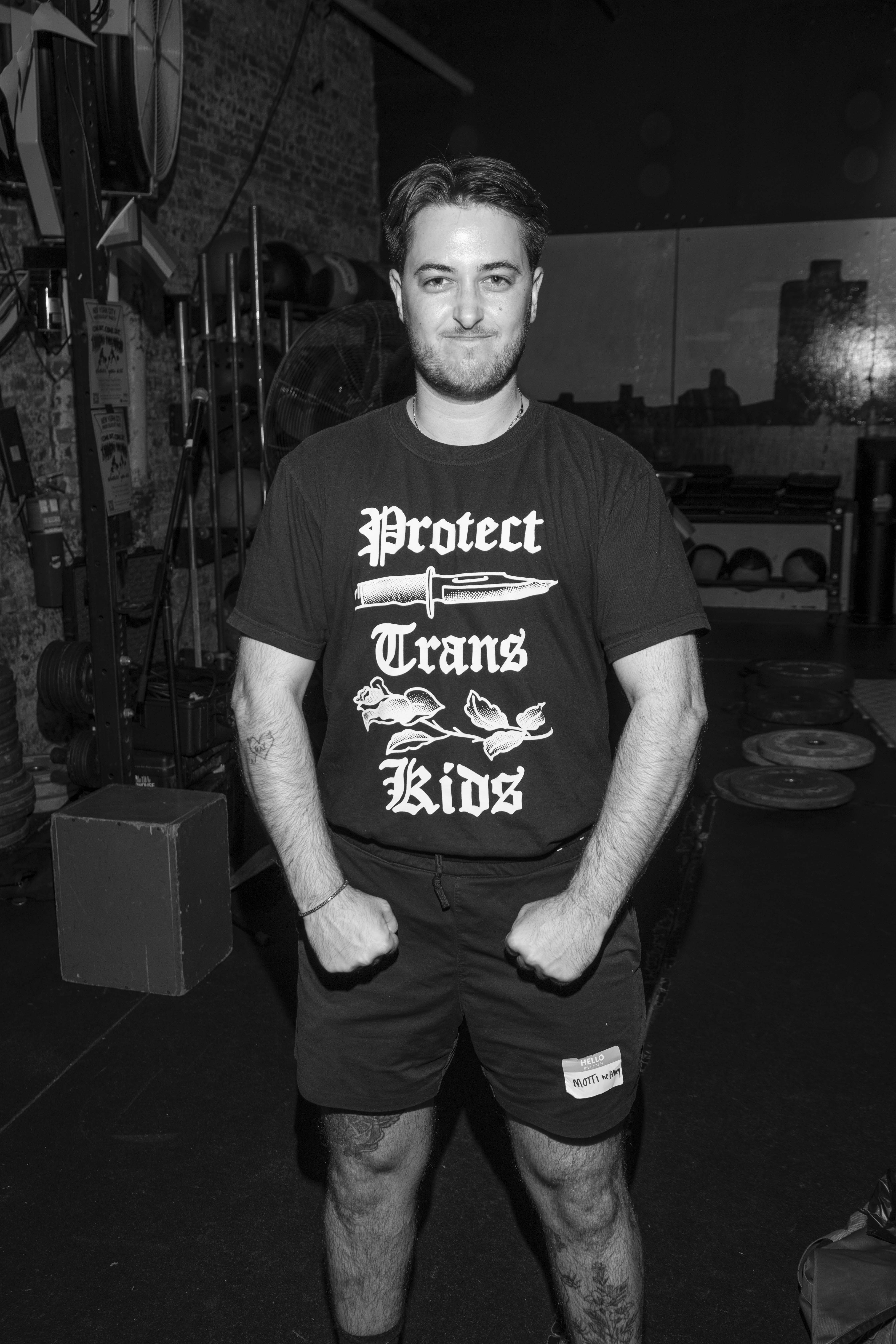
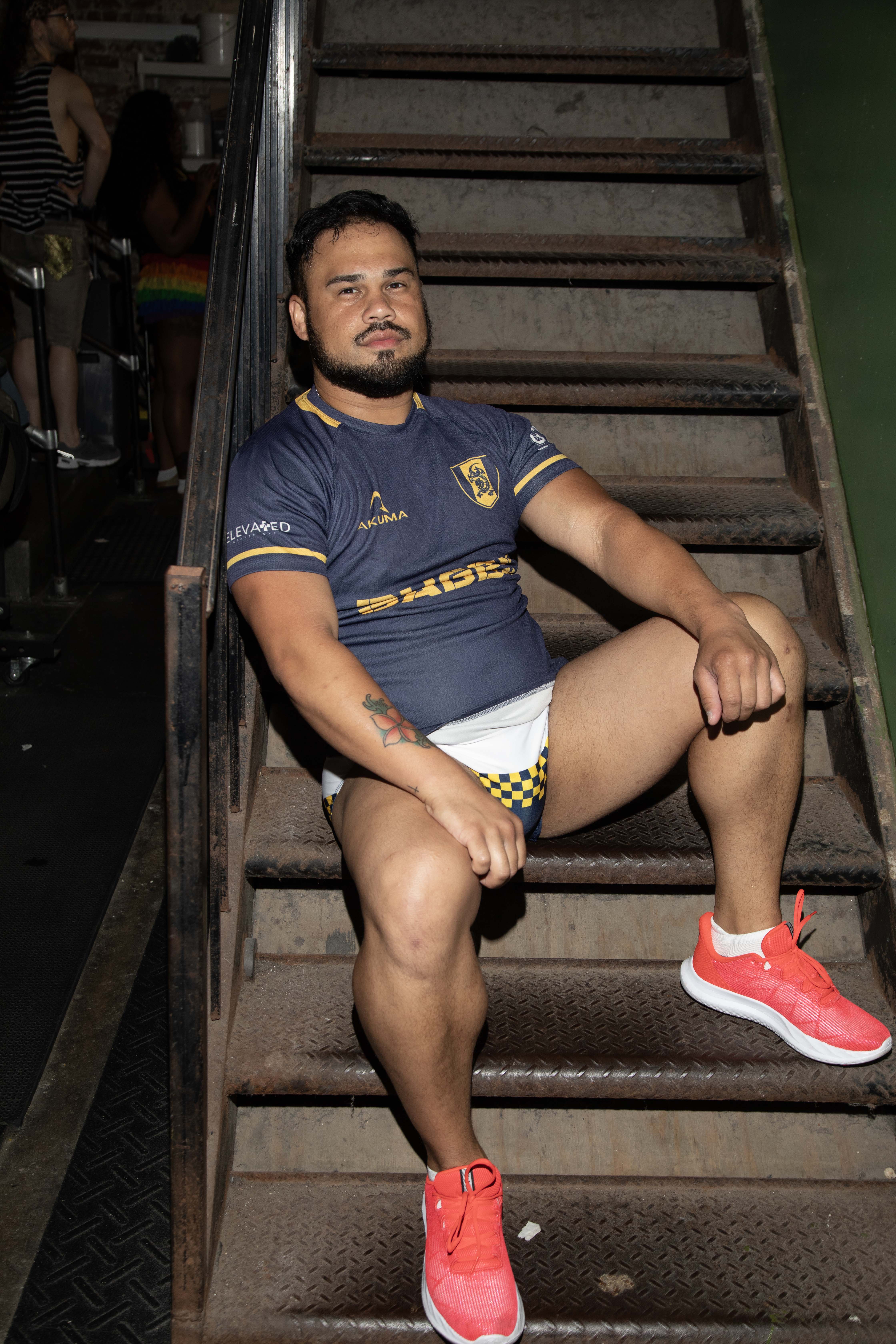
When I spoke with two other lifters who participated in the Pride Deadlift Party, I was swiftly reminded how necessary events like these are for the queer and trans lifting community.
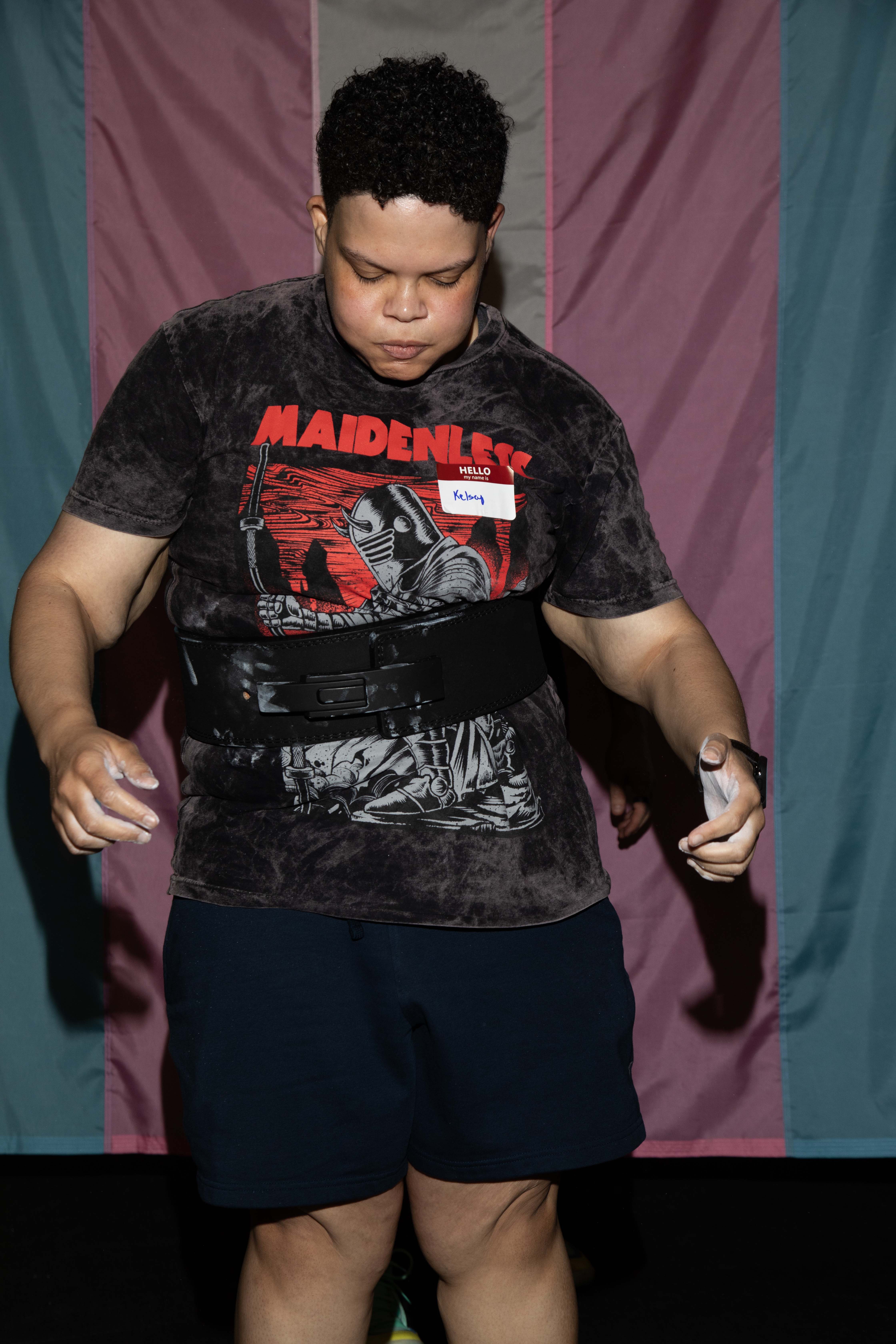
Kelsey Jones, who has been involved in strength sports for almost 10 years now, explains that although she had participated in a deadlift competition at her own gym earlier this year, she was drawn to the Pride Deadlift Party because her gym “has very few queer people.” “I’m not super friendly with anyone who goes there,” Jones continues. “I wanted to use this as a way to test my strength, of course, and meet some other queer lifters. The fitness space leans conservative, but I know there are so many amazing queer, leftist folks in the space!”
“The selling points for me were the queerness and lack of actual competitive structure,” says competitor Bridget Foley, who has three years of lifting experience under her belt. “I really love that so many lifters see strength not as a means of self-improvement but as a service to their community. I started lifting after a breakup out of spite. Now I feel motivated to lift so I can show up for other queer people with strength.”
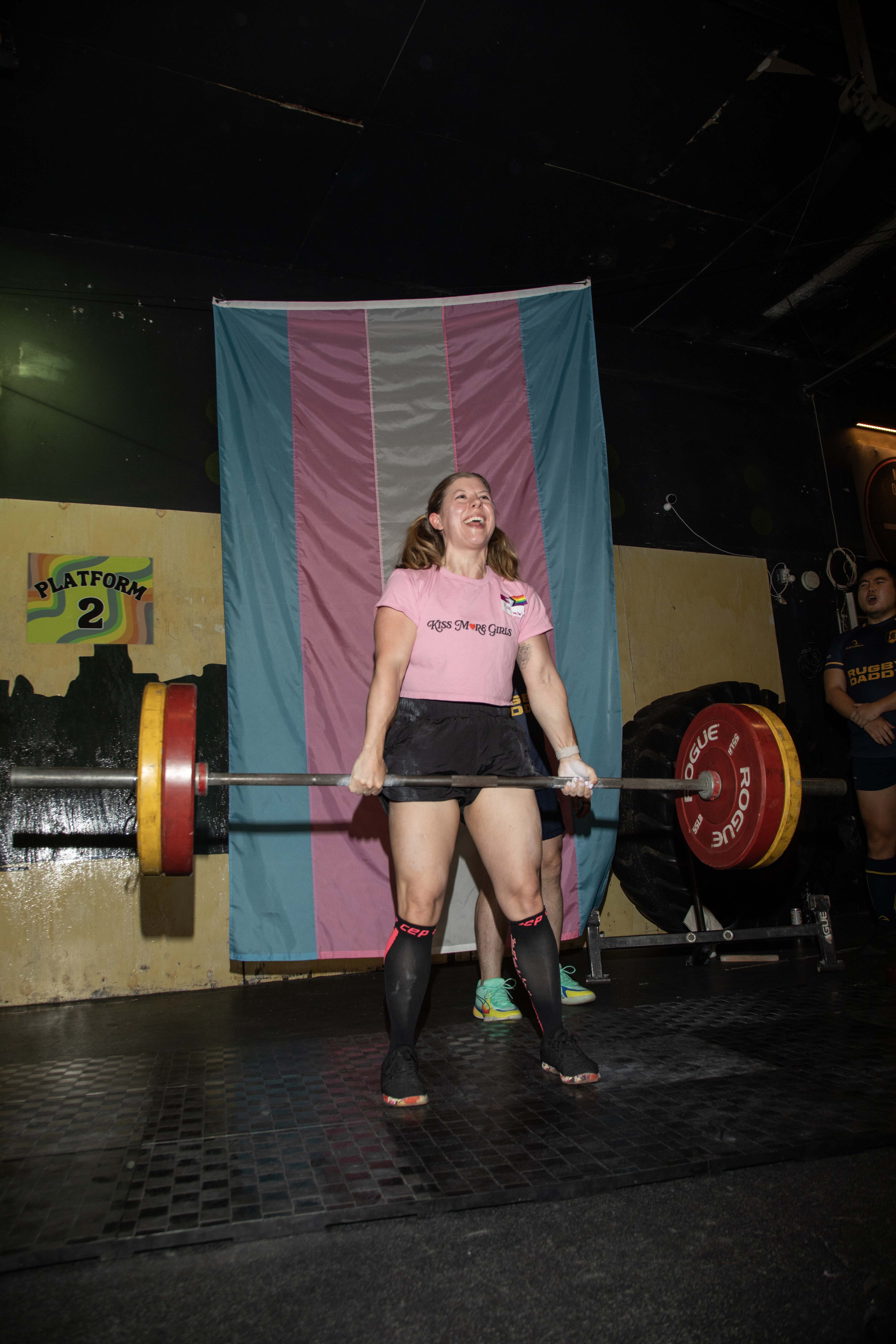
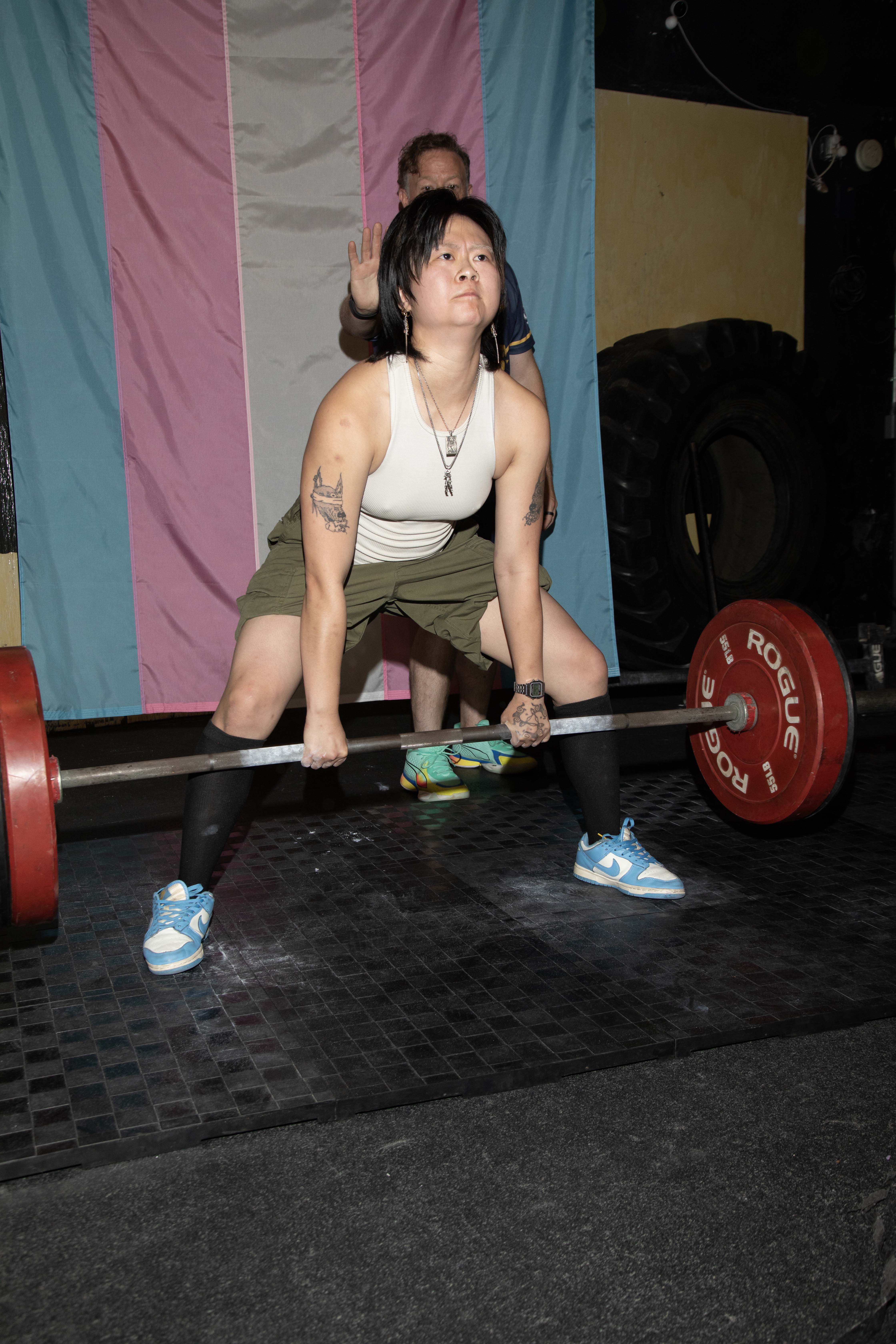
As we continue to see the erosion of rights for trans athletes across the country, RCPU and the Pride Deadlift Party keep proving there is power to be taken by us as athletes. “It gives people who are not welcome in [other] competitions a space to come get a taste of what it is like while maintaining their autonomy and identity,” Nelson says. “They don’t bend the knee to bigots to do what they love. They only bend the knee to pick up the weight in front of them — what they trained to do, what they want to do.”
According to Nelson, Carr and the rest of the RCPU are “actively working on how to make these opportunities accessible to folks in communities across the country — with a focus on the LGBTQ+ hot spots as well as communities that are notably not as welcome or safe for queer people.”
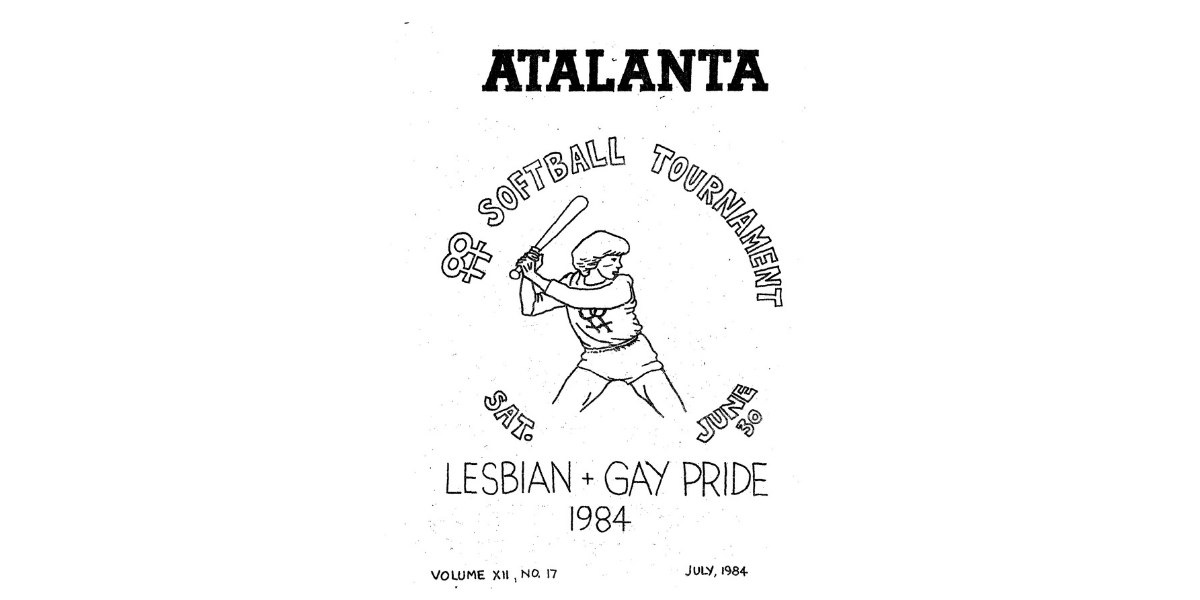
Moreover, these events are proving that inclusive sports practices are actually making sports better for entire communities, not worse. “For a long time, there has been a narrative that trans-inclusive policies would somehow ruin strength sports, that there isn’t enough demand for inclusive events, that trans women are a threat to women’s sports, and that cis women wouldn’t want to compete alongside them,” Carr says. “Pride Deadlift Party and similar events around the world have proven the opposite. Hundreds of people are showing up. Events are selling out. Communities are being built. Money is being raised for good causes. The sky hasn’t fallen. In fact, many of these events have become some of the most diverse, welcoming, and community-driven spaces in strength sports.”
If we can’t compete as ourselves within the institutions that already exist, then it’s time to be more courageous and build new institutions of our own, which — despite what everyone seems to believe — can actually be done with will, organization, and follow-through.
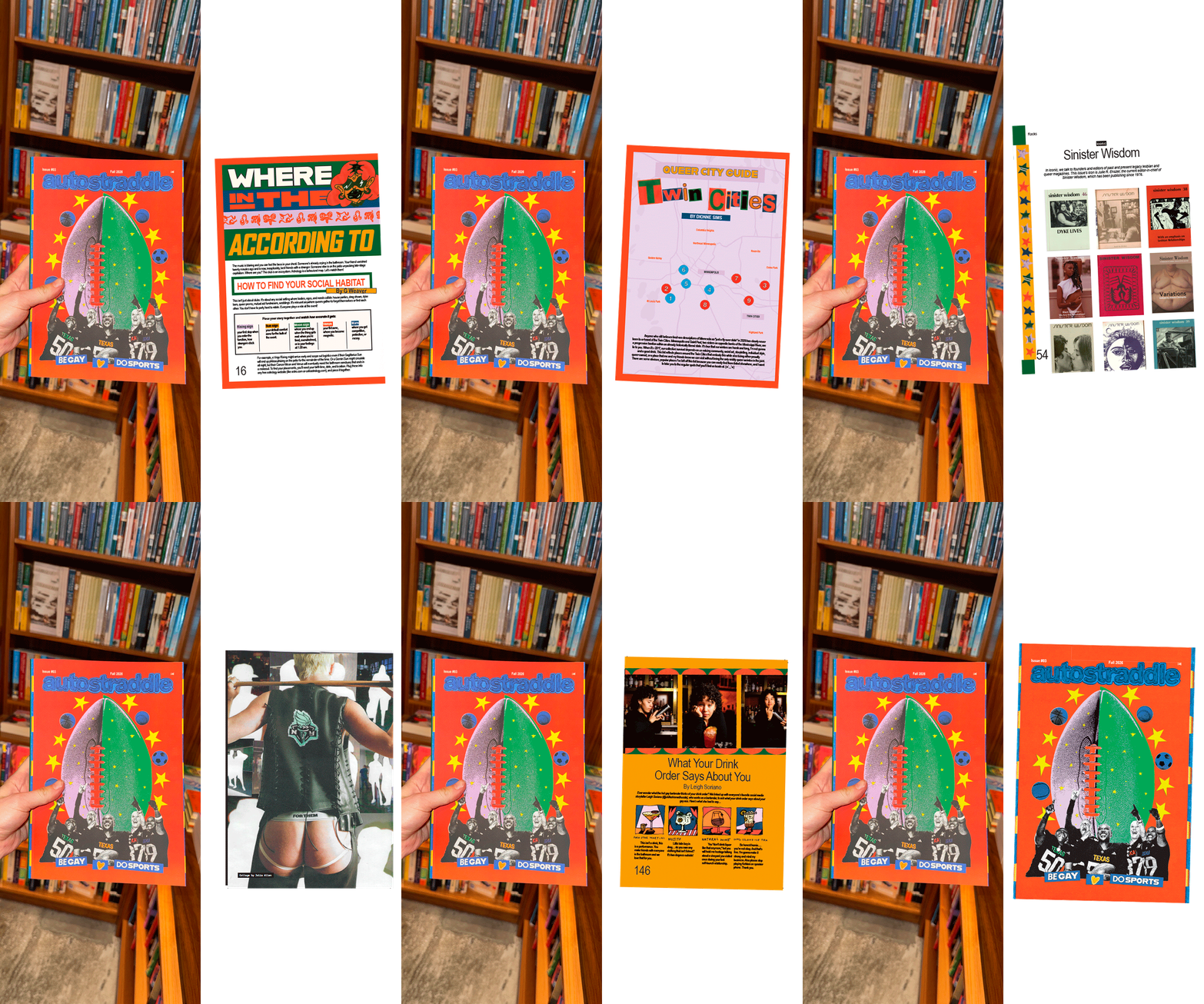
Love queer and trans sports stories? Grab the latest sports-themed issue of Autostraddle’s print magazine.

Comments
I love this so much! I used to regularly lift when i was younger, and I’ve been thinking about lifting again in a community-minded space. The only thing that scares me about it is protecting my chronically painful lower back. Portland, OR, also does a Pride Deadlift Party, and I always feel so inspired after!
Gym Space Equity hosts many “Power Hour” events in Portland, and partners with gyms like Evergreen Strength & Wellness and Kettleball Collective to teach personal trainers how to be more inclusive! They just had their second annual Loud & Cute Strongman event. They center BIPOC LGBTQ community members. I love participating in their events!! Maybe i’ll see you at one!
This is a fantastic agent of change.
And it’s wonderful to read you again Stef !
@Stef you should know that your posts are the reason I tried powerlifting almost three years ago and it has become such a lovely and integral part of my life!! Keep doing what you’re doing, it is creating joy in places you don’t even know exist 🩷
I really liked the focus on making strength sports more welcoming and community-driven. Creating spaces where people can feel comfortable while getting stronger is so important. I’ve also been exploring Shilajit Resin as part of a natural wellness routine.