This review has minor spoilers for miniseries Carrie, but mostly only if you’ve never read or watched any Carrie stories before.
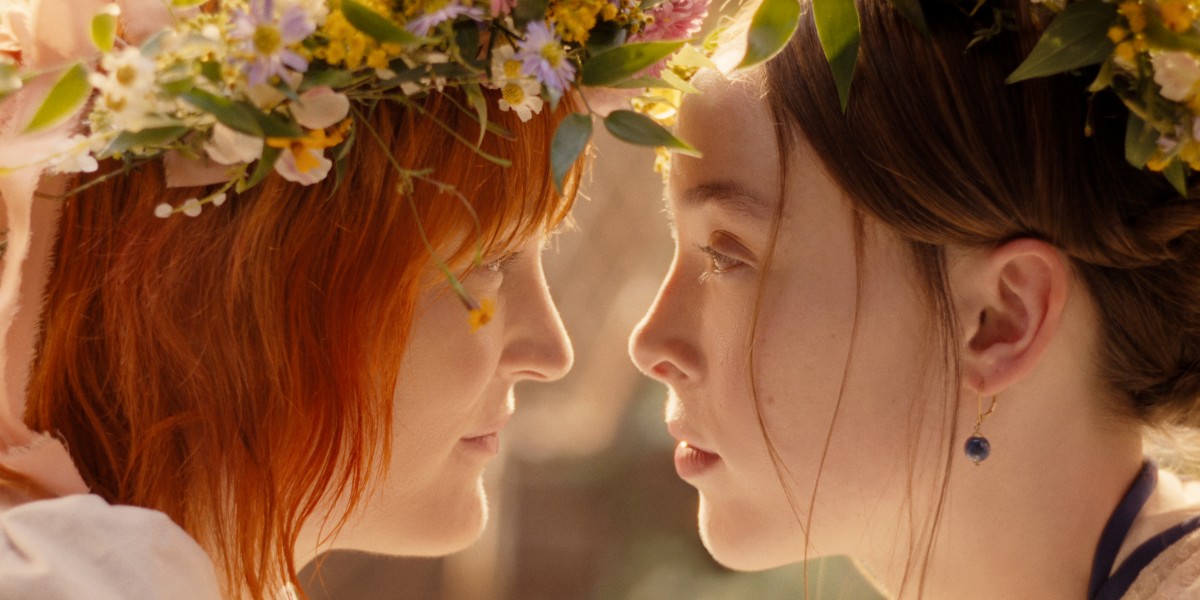
Mike Flanagan’s Carrie is Carrie like you’ve never seen her before. It’s a remake, sure, but it’s also an evolution and an expansion of Stephen King’s debut horror novel. It launches Carrie and her peers into the modern world and gives her more power than she’s ever had before, literally and figuratively.
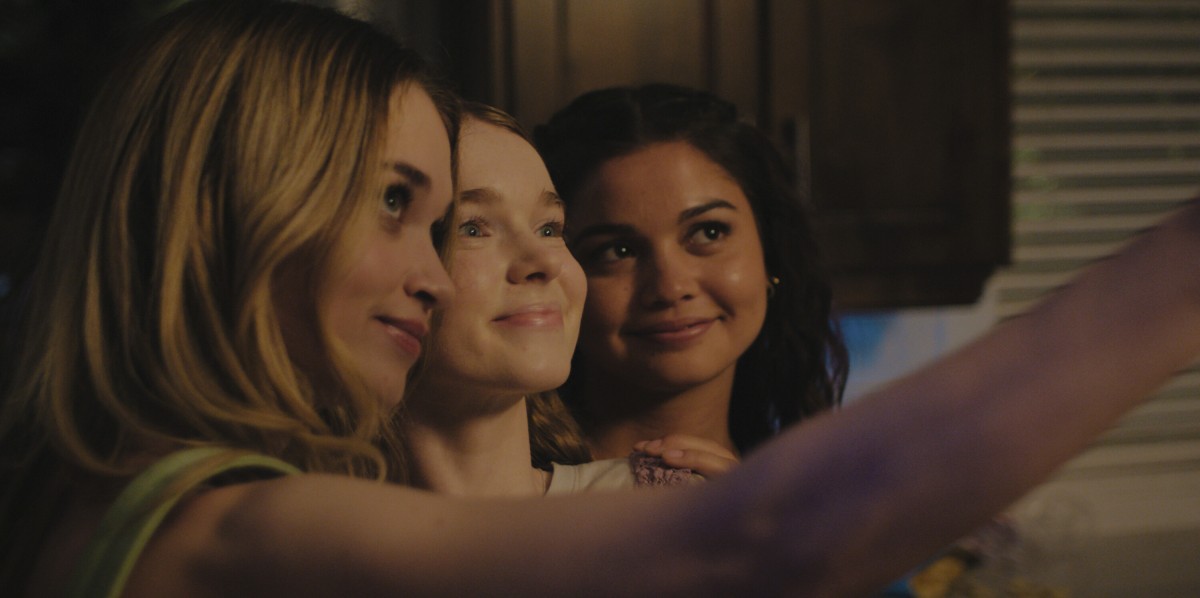
First, we have to talk about the cast. Summer H. Howell is charming as sheltered oddball Carrie White, who emerges from her home for the first time in her life and is thrust into public school with no preparation. Siena Agudong is great as sweet Sue Snell, torn between her best friend and being nice to the new girl. Alison Thornton is a true talent as Chris, the mean girl in question, who keeps Chris from being a stereotypical mean girl and gives her layers and depth. (You might recognize her, since she played a baby gay in the TV show Nancy Drew.) Josie Totah brings humor and heart to Tina, a girl in Chris’s circle desperate to be like her and liked by her. Plus, bonus guest appearances by Battlestar Galactica‘s Katee Sackhoff and Tricia Helfer.
Then, of course, you have the “Flavengers” aka the uber-talented cast of actors that have popped up in multiple Mike Flanagan projects. This one included Samantha Sloyan as Carrie’s zealous mother; Kate Siegel as Adelaide, the woman interviewing survivors of The Prom and who also directed an episode; Rahul Kohli as Mr. Peist, one of Carrie’s teachers; and Ruth Codd as Cara, one of the mystery visitors at The Prom.
Before we get into the meat of the story, I want to give you the queer rundown. The show itself didn’t have any queer romances or anything like that, but it also didn’t have very many straight romances either. Sue and Chris both have their boyfriends (Tommy and Billy respectively) and they are important to the plot, but their relationships themselves aren’t huge factors. And yet, queerness is still steeped throughout the story, as is often the case with Flanagan projects. We have queer actors, like bisexual actress/director Kate Siegel, trans actress Josie Totah, queer actress Cassandra Naud, and nonbinary actor Thalia Dudek. One of the episodes was also written by Mike Flanagan’s nonbinary sibling Jamie Flanagan. In fact, if an episode wasn’t written and/or directed by Mike Flanagan himself, it was written and/or directed by a woman or nonbinary person.
The first thing Carrie sees when she walks into high school for the first time is two girls making out, which throws her for a loop for a second. Plus, the school guidance counselor, Mr. Morton, is gay and talks about understanding bullying because he was bullied as a queer kid. Interestingly, it’s unclear if Tina is trans or not, even though Josie Totah is, because it never comes up. I do wish there had been at least one line to confirm it for people who don’t know Josie Totah, because it does add an interesting layer to Tina and both her willingness to participate in bullying in her quest for acceptance from Chris and her moments of regret about it. It’s also never mentioned whether or not Emaline (Thalia Dudek) is queer, but the vibes are there. The argument could even be made that this version of Carrie might be queer, based on her interactions with Emaline, or that her story is a metaphor for being queer, but I don’t think that’s quite what the show was going for.
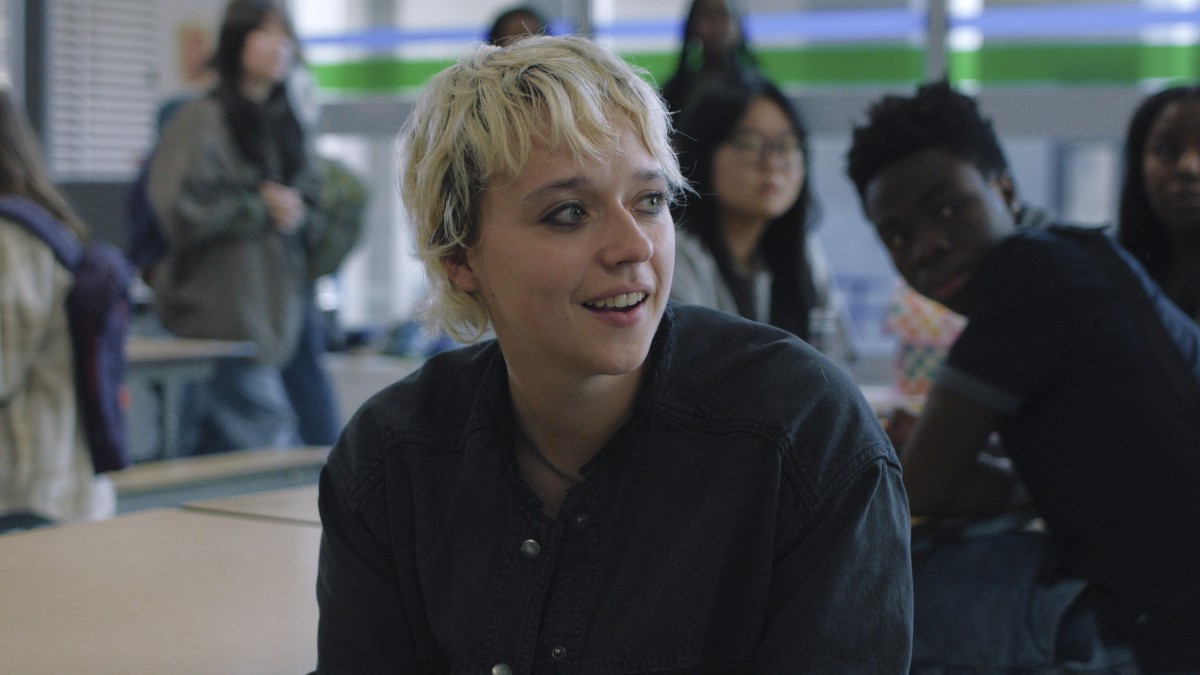
I really enjoyed Mike Flanagan’s take on Carrie. It was nice to have eight episodes to really sink into her story, and I felt like it was really grounded because of it. Carrie’s mother wasn’t an over-the-top villain in this version; instead, she took the form of a controlling mother who weaponizes religion, yes, but also weaponizes her own motherhood and takes to the internet to radicalize other parents under the guise of protecting their children. She doesn’t talk quite as much about sin (though she does still toss Carrie in the prayer closet for repenting). She’s one of those people who starts off with a good point (school shooter drills are traumatic for teenagers) but then goes too far (kids shouldn’t even know school shootings ever happen). She is a classic narcissist mother, claiming she’s doing everything for her daughter, while also not actually taking her daughter’s thoughts and feelings into account and exploiting her and her situation for social media attention. She feels like someone you would absolutely see on the conservative mom side of TikTok (she’s a borderline tradwife, after all). And she’s Carrie’s first bully.
There were a lot of great moments throughout the series to show how these teen girls are being silenced. Carrie is silenced by her mother. Chris is silenced by her father. At one point, the principal, guidance counselor, and Chris’s father all sit around deciding what the girls will do while the girls aren’t even in the room. It was subtle but easy to see why both Carrie and Chris were pushed to their limits and felt forced to exert control in whatever way they could.
That’s what this Carrie story is about. She’s a young girl who was sheltered her whole life, and what she did and read and knew were all controlled by her parents. But when she was younger, she met the woman who lives next door and Carrie started secreting away some control by reading “forbidden” books her neighbor left for her in her birdfeeder. When her father dies, a social worker says Carrie has to start attending public school, and her world is cracked open and expanded. And at first, she starts to lose control again. Things scare her and the world shakes. And slowly but surely, she begins to gain control of both her fear and her powers.
On the other side of things, Chris’s life is out of control. She got into her dream school with her best friend, but her father (who is an asshole) dismisses her dreams and her best friend seems to be pulling away from her. Her mother has left her father for a new guy with a teenage daughter of his own, so she’s feeling replaced. Her whole life is falling apart, and she feels like no one is in her corner, so she decides that to exert control she’s going to bully the new girl. She makes a fake Instagram account and uses it as a sort of digital burn book and the consequences escalate. I actually really liked the way the show portrayed bullying, because it showed that it’s not always the throwing-tampons-at-you kind of mean. A lot of times, it’s more underhanded. It’s someone pretending to be your friend but talking shit behind your back; it’s someone watching you get too drunk or too high and letting you make a fool of yourself—or worse, filming it for social media.
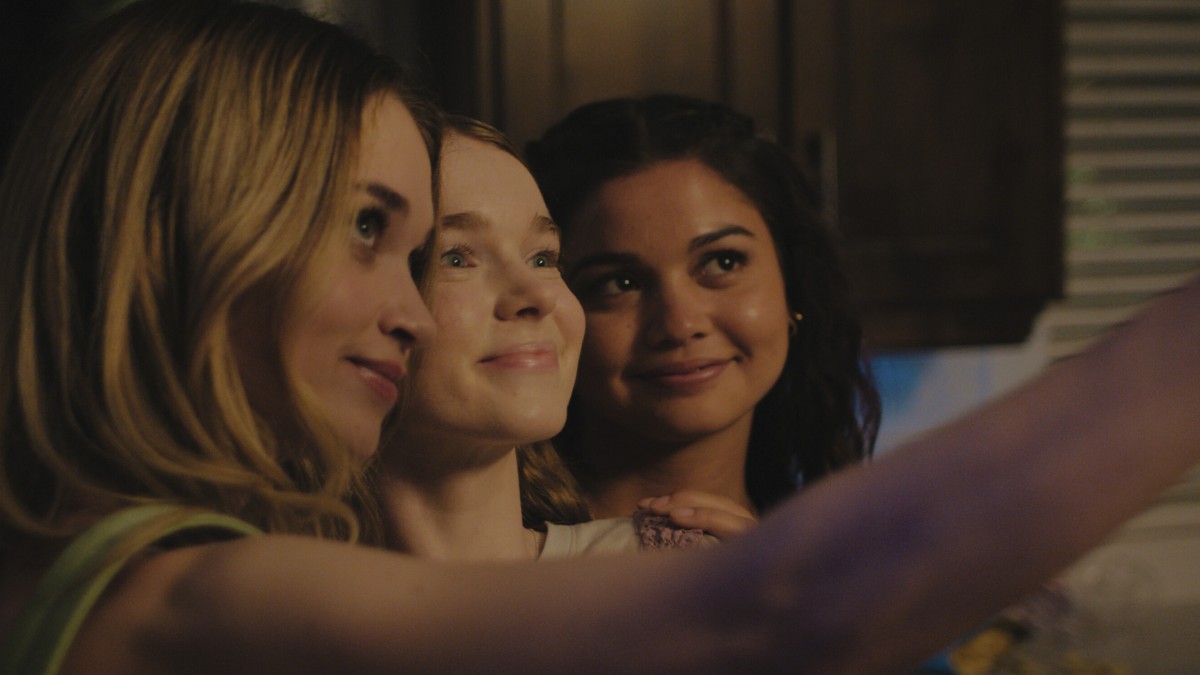
Of course, we all know where this particular story’s bullying goes eventually, but not every instance is like that. It also showed, in a conversation that is relevant more now than ever, how Sue’s inaction for so long caused things to go further than they might have if she took a firmer stance earlier. I also liked how it showed how little the adults in these girls’ lives understood what was going on or how to stop it. Being a teenager can be so hard, because you’re grown enough to have your own world and your own life, but you’re young enough you still could use some guidance from adults, but too often there’s no one there to notice or understand how to help. Sue says it best in the show, “We were kids just trying to do our best.”
This show also expands Carrie’s story by answering the question: If Carrie has powers, does that mean other people in this world do too? Every episode begins by highlighting a time in history where women who seemed to have powers were written off. The woman who lifted a car off her child was diagnosed with “hysterical strength”. Psychics and witches were called frauds and punished by men who feared their power. So who’s to say there’s not a network of women who have harnessed their powers but stayed underground with them, kept this knowledge from men? And who’s to say there’s not a network of people who know they exist and want them gone?
That said, it did also leave a lot of questions unanswered about those very groups. It almost made it seem like they were setting up a second season, but it was my understanding this was meant to be a miniseries. But I would watch more Flanagan TV set in this world, if that was indeed what was being foreshadowed.
Overall, I really enjoyed the show. There were a few changes from the typical telling of the story I liked and a few things I wanted to see more of (like Ms. Desjardins interacting with Carrie). It left some things ambiguous I could have used more of a firm opinion on; like, I personally believe it was pro-powerful women, but the way it left things with certain characters made it a little unclear how we were supposed to feel. But maybe that also is the point. Women are not a monolith, powerful or not. Regardless, I had a really good time watching this show. It felt like a fresh take on Carrie, while still holding on to a lot of the classic elements of it. It had a really great cast and some subtle nods to some of Flanagan’s other work. (At one point Matthew Lillard, as the principal, was wearing a shirt with a red door on it that looked an awful lot like the door to the Red Room in Hill House, for example.) I loved the horror elements sprinkled throughout what might otherwise seem like a teen drama. The show highlighted a lot of different versions of the female experience, like how trauma can affect women differently, different forms bullying can take and different reasons why it happens, what fighting back can look like, and what can happen when someone who is just trying to be good is pushed past her breaking point.