





Welcome to Two Lesbians Rank, part of Horror Is So Gay: Part V. Drew Burnett Gregory and Kayla Kumari Upadhyaya are ranking slashers throughout the month of October. This week, Drew introduces our Nightmare on Elm Street list.
Every night, we go to sleep and watch a movie. Our brains synthesize our memories, our fears, our hopes, what we’ve read, what we’ve watched, and what we’ve imagined into something like a narrative. Some of us are lucky or unlucky enough to remember. Many forget. Since the early days of silent cinema, filmmakers have strived to recreate dreams. Few have done it like Wes Craven. With A Nightmare on Elm Street, he invented a horror villain who can come for us all. We don’t need to be near a specific summer camp or stop at a specific motel. All we have to do is fall asleep. And then one, two, Freddy’s coming for you…
Our dreams reflect life back to us, and Freddy Krueger does the same. Elm Street is one of the most consistent horror franchises because its central conceit is so rich. No one does it like Craven, but a lot of others came close. Through all of these visions, the backstory of Freddy is secondary to what he represents. He is sometimes the trauma of growing up with an abusive parent, other times our society’s penchant for punitive justice. While he always has the hat and the sweater, the claws and the one-liners, his role is ever-shifting just like a dream.
Slasher movies don’t have to be deep to entertain. But there’s something special about Elm Street and how it manages to maintain its depth and entertainment throughout the entire franchise. Even the films written off in decades past as “just another sequel” now reveal craft and complexity worth another look.
Freddy is most associated with fire. And yet the word I’d use to best describe these films is slippery. They are about so much without ever declaring a clear message. Like dreams, they are an expression of everything around us rather than a proposed solution. We can analyze these films, learn about ourselves and our world through these films, and then we have to make our own conclusions.
This franchise is for the sleep-deprived, the traumatized, those unafraid to dive into the scariest recesses of our culture and our minds. By the time we wake up, Freddy will be the least of our problems. There’s so much down there to fear.
9. Freddy vs. Jason (2003)
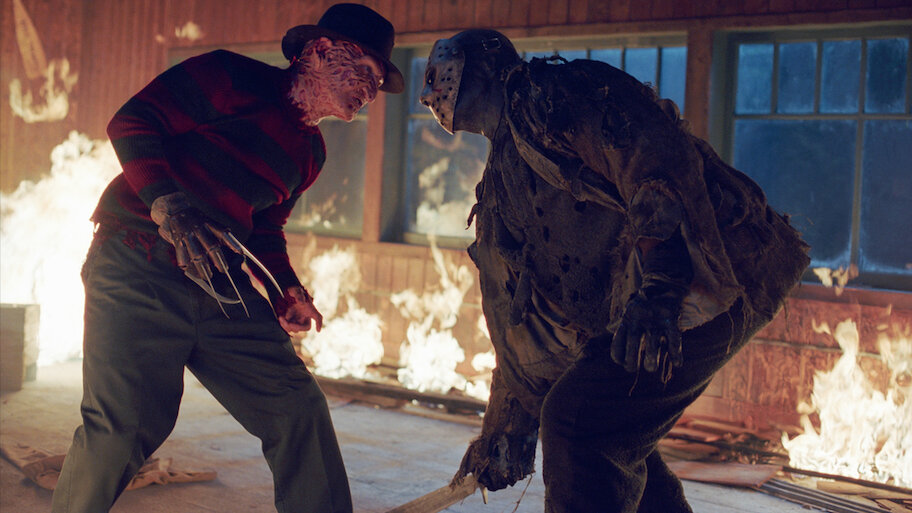
Unlike the Friday the 13th franchise, every Elm Street movie has some amount of thematic depth. This one is about the futility of trying to ignore the past. Unfortunately, it gets too bogged down in its early 2000s teen dynamics, early 2000s aesthetic, and early 2000s racism to be smart or fun. I love the early 2000s cast though. – D
8. A Nightmare on Elm Street (2010)
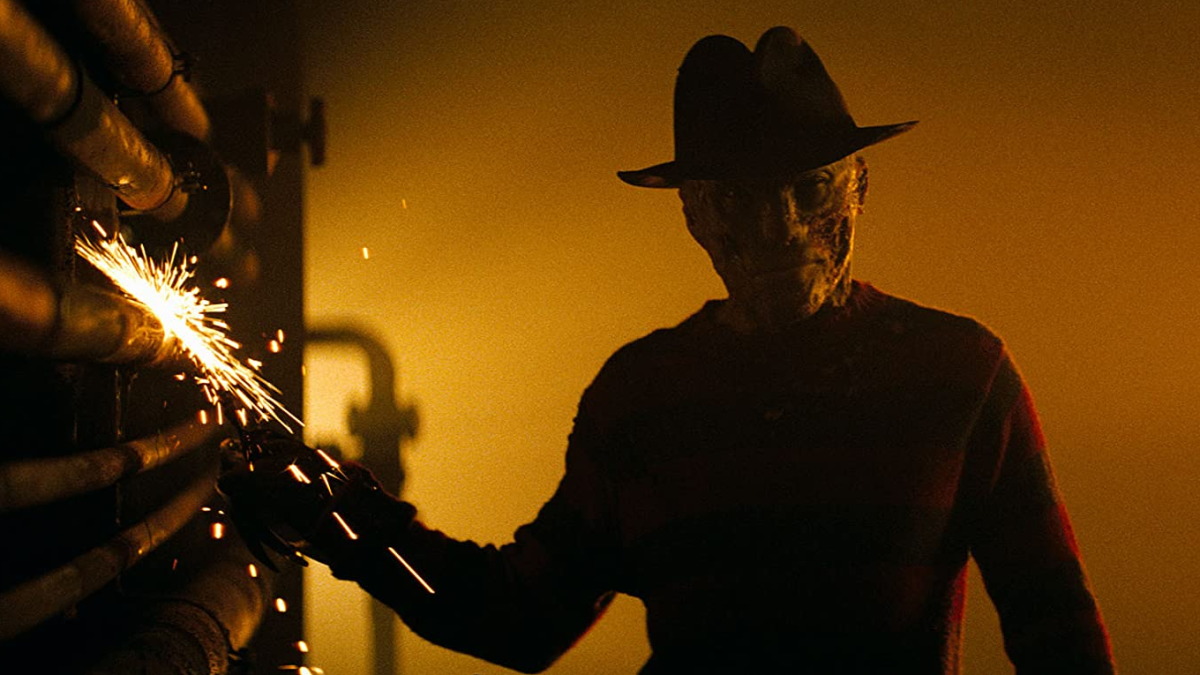
While I think something is lost by removing Freddy’s goofiness, I appreciate what this is trying to do with its narrative. Instead of the teens suffering due to the buried sins of their parents, they’re suffering from their own trauma that their nice suburban parents have been trying to ignore. Add a solid cast led by Rooney Mara and this becomes one of the better horror remakes of the last quarter century. I’m not saying it’s great — the bar is just low. – D
7. A Nightmare on Elm Street 4: The Dream Master (1988)
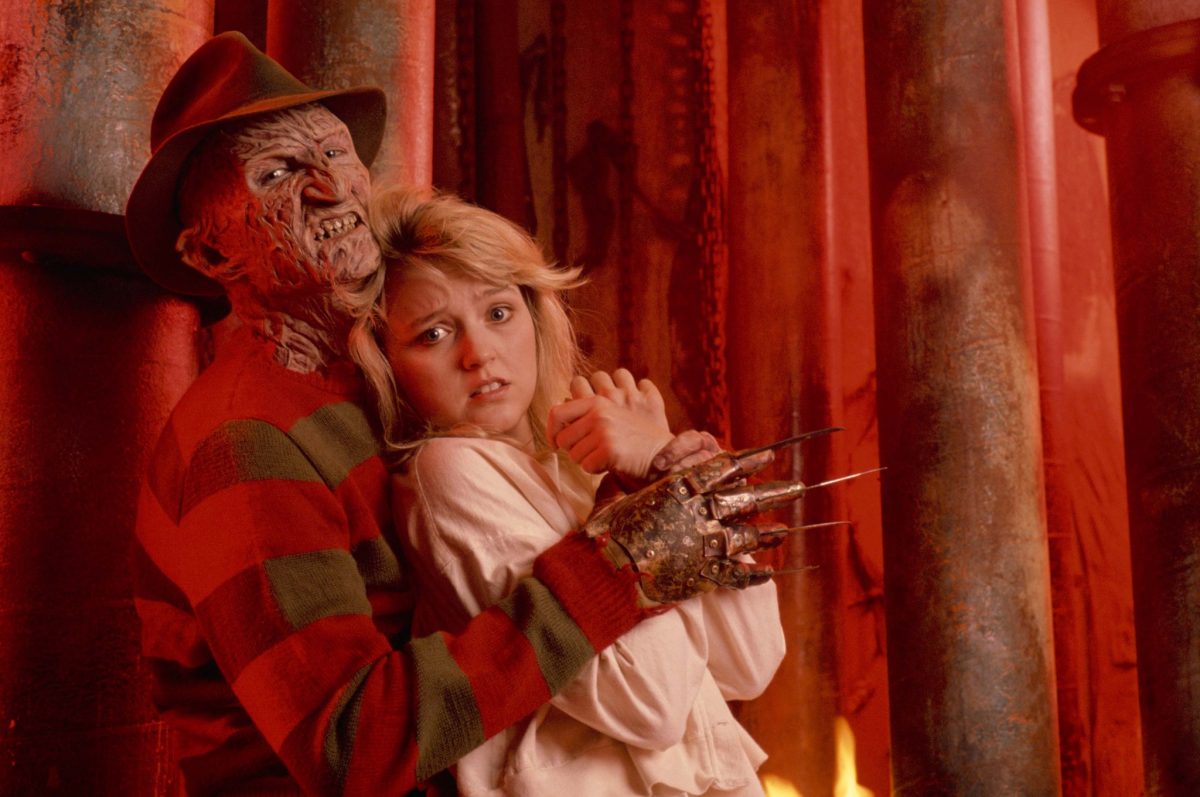
This one is most lauded for its killer 1980s soundtrack, and it deserves all the praise in that department, but it’s also a solid exploration of the Nightmare themes I hold most dear. I do think all these films should have an alcoholic parent, and this one does in protagonist Alice’s father. As someone who used to heavily rely on daydreaming to escape reality, I connected with Alice, whose daydreams are sometimes fantasy, sometimes nightmarish. There’s also a teen girl who weightlifts in this ensemble, and that’s not something horror has enough of. – KKU
6. A Nightmare on Elm Street: The Dream Child (1989)
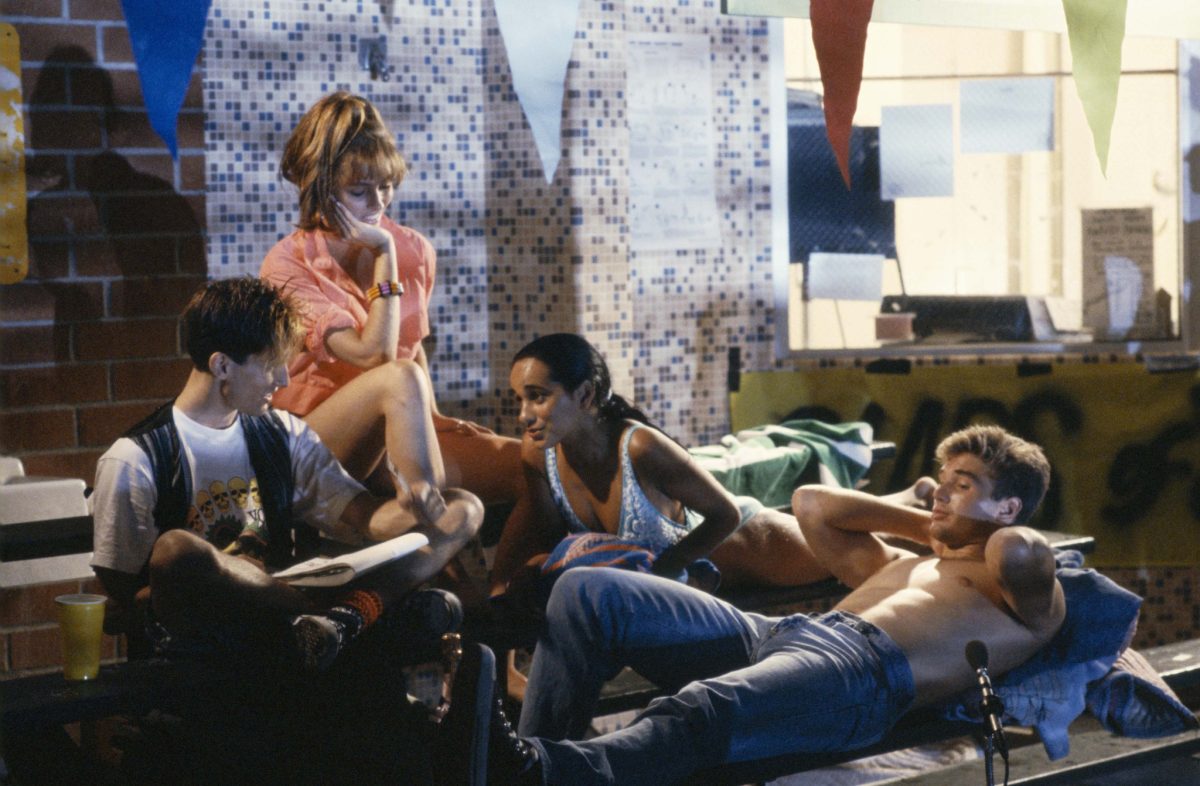
If we were ranking solely on the merits of video effects and visual originality, Dream Child could be a contender for the top three. It has some of the most striking and specific visual style of any of the sequels, using a mix of practical and special effects, including stop-motion, 2D animation, and other fun forms that make up for an otherwise lackluster story. If some of the stylization of Camp Miasma spoke to you, this is worth checking out. –KKU
5. A Nightmare on Elm Street 3: Dream Warriors (1987)
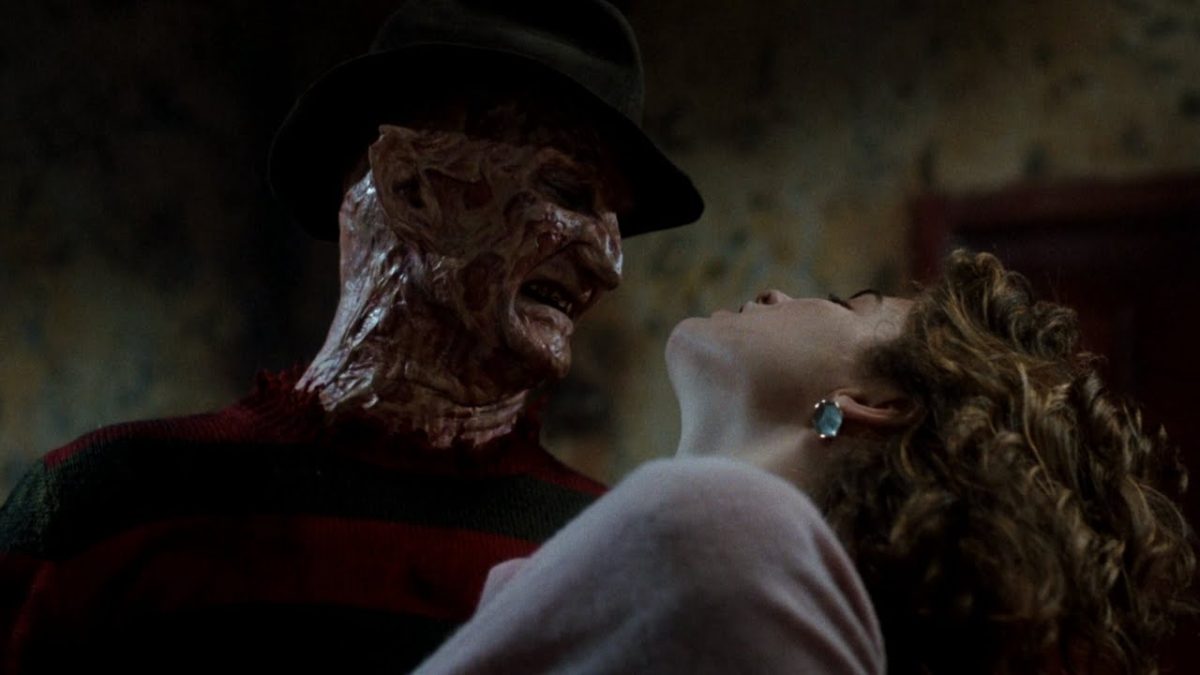
Here’s another one where I love the effects, but this one also has a strong cast and story to match. Heather Langenkamp’s return reiterates Nancy will always be the best final girl this franchise has (though Freddy’s Dead puts up a solid contender for that title, too). The introduction of new dream logic in this one is a welcome twist that does actually expand possibilities for this world and its narrative. This one also has Freddy at his finest: a little silly, a little cunty, a little suggestive, and very scary. – KKU
4. Freddy’s Dead: The Final Nightmare (1991)
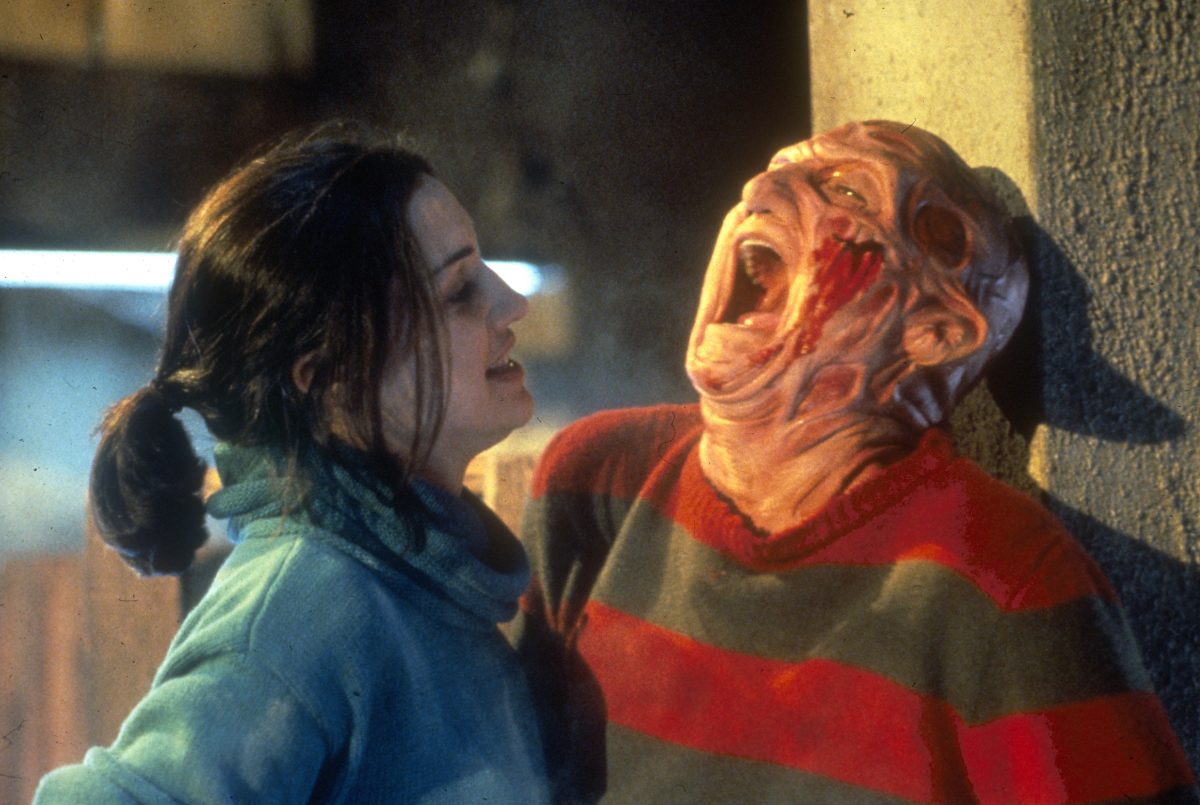
This is one of the most underrated horror movies of all time. Arriving at a time when there was slasher sequel fatigue (and specific Freddy fatigue), it was written off as stupid. But its silliness exists alongside real depth. Freddy has gone full goofball and that works to emphasize the true terror: these teens’ abusive parents. They are where the fear comes from in the dreams as Freddy cracks his jokes. This then culminates with Freddy’s own abuse — received and given — and creates a cathartic end to the original franchise. While it doesn’t take itself seriously, it takes its characters seriously and that’s what makes it such a great Elm Street movie. Such a great movie period. – D
3. A Nightmare on Elm Street Part 2: Freddy’s Revenge (1985)

For all the specific lore around Freddy’s death and resurrection, his role is always as cipher for a variety of fears. In the first sequel, that fear is of one’s own sexuality. Written as a response to the AIDS crisis and starring gay actor Mark Patton as the male scream queen, this is a very queer film. Through Patton any intended homophobia instead feels like an expression of tortured self-hatred. It makes for a masterful slasher film where the primary villain is the self. It should also be credited for elevating the dream sequences, introducing an added depth and surrealism mimicked in future sequels. – D
2. A Nightmare on Elm Street (1984)
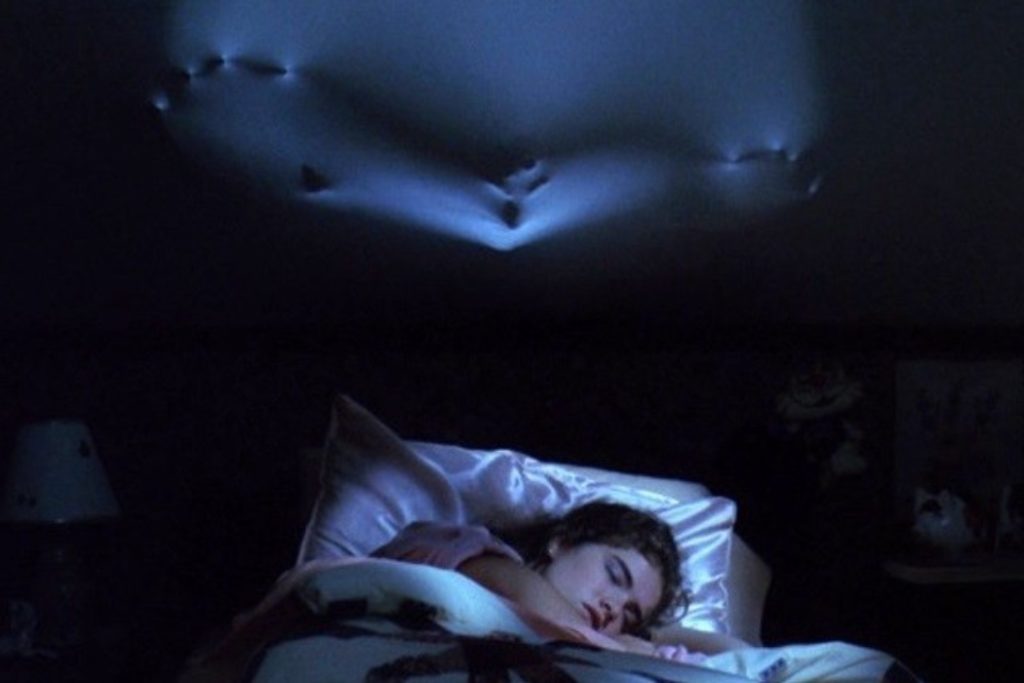
I still think this is one of the scariest slashers ever made. There have been attempts through the sequels—and across other horror franchises—to mimic or pay homage to Tina’s death scene, but nothing ever eclipses it. The themes and messages the original film revels in regarding justice, revenge, and inherited trauma (and inherited punishment) are just so potent and echo across the rest of the franchise. Plenty of horror contends with the unreality and anguish of nightmares, but the original Nightmare does it so well, not shying away from the camp and humor of even the most fucked-up nightmares that haunt our sleep. –KKU
1. Wes Craven’s New Nightmare (1994)
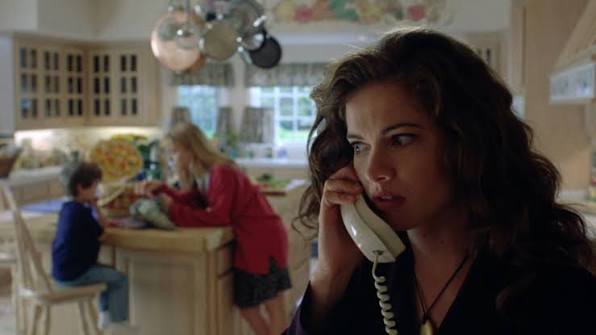
In an age of fandoms and crossovers, Wes Craven’s approach to meta horror has become even more vital. Rather than rely on mere references, his interests lie in the role cinema plays in the lives of audiences and creators. It’s a modern mythology— an expression of who we are and what we want and what we fear. The concept for this film is clever and yet its cleverness quickly gives way to melancholy and genuine terror. It’s a self-portrait of an artist grappling with the evolution of his creation and it’s a broader portrait of a human need to reveal the deepest parts of ourselves. The greatest achievement of these nightmare films centers on the dreams we recreate. The dreams we share. –D
Read more of Horror Is So Gay: Part V.


Comments
Is this a repost? Does Drew still write for autostraddle? If not, weird to repost her work without mentioning it’s a repost!
Not a repost! Kayla invited me back to rank every major slasher franchise with her so you’ll be seeing me back here for the month. :)
Yay! Happy spooky season!
New Nightmare by fright master Wes Craven is a good choice for #1, but I cannot fathom ranking Dream Warriors so low.
I also never rewatch the original because a certain wife beater turns my stomach, so that’s below FvJ for me even with Kelly Rowland’s famously unscripted homophobic slur…