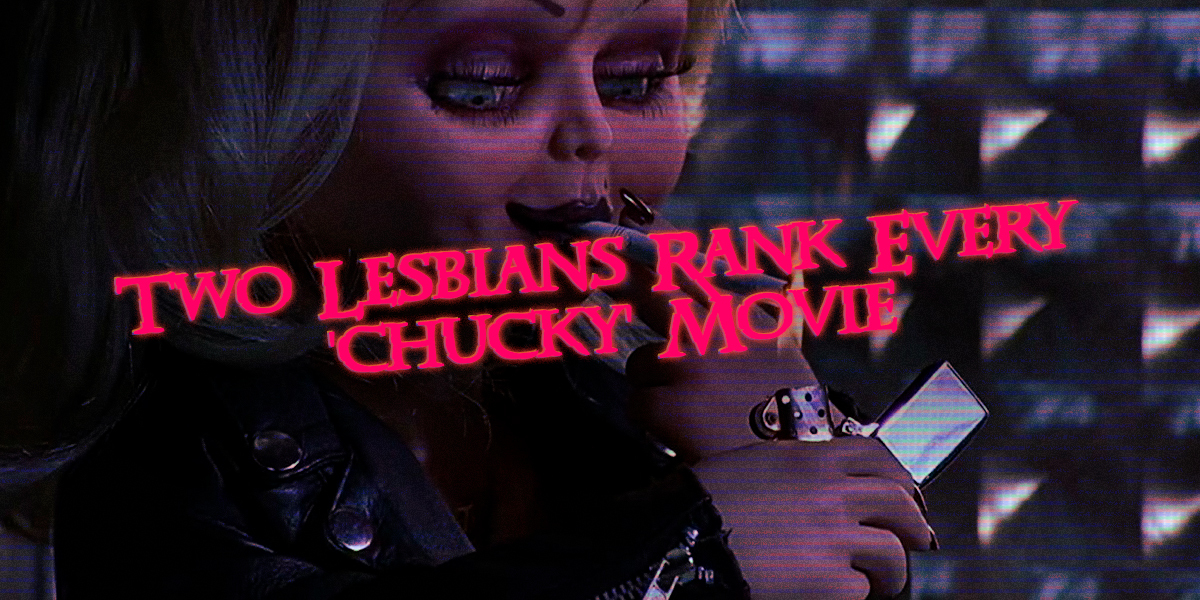
Welcome to Two Lesbians Rank, part of Horror Is So Gay: Part V. Drew Burnett Gregory and Kayla Kumari Upadhyaya are ranking slashers throughout the month of October. This week, Drew introduces our Chucky list.
How did an iconic horror movie about 80s consumerism evolve into a campy celebration of hot femmes and queer empowerment? The answer lies in screenwriter Don Mancini, who has written every canon Chucky film from 1988 to 2017 and created the show that ran from 2021 to 2024.
While the genres and tones might have shifted, this singular voice has created a thematic consistency that’s rare for a horror franchise. When your villain is as unbelievable as a doll possessed by a serial killer, your regular human characters must fight against different kinds of disbelief. From the autonomy of children to queer self-identity to the infantilization of disabled people, the evil knife-wielding Chucky has slashed open cultural biases that lead to dehumanization. There’s a terror of being stabbed and an added terror of being told the stabbings we know we saw never happened.
There is an inherent silliness to this horror premise, but even when the series goes full camp it never loses its sharp commentary. This is one of the silliest slasher franchises and also one of the most consistent. Like Freddy before him, Chucky’s wisecracks don’t make him any less scary or revealing.
And then, of course, there’s Jennifer Tilly. She doesn’t arrive until the fourth film and yet she feels just as important to the franchise as Brad Dourif’s voice work. Her arrival marked a shift toward the sexier, campier, queerer Chucky universe its true fans love most. Chucky may be our friend till the end, but Tilly is why I hope the end is still far away.
8. Child’s Play (2019)
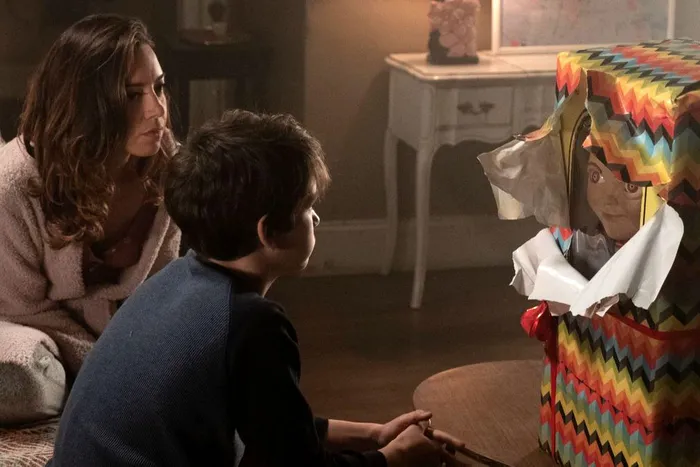
Less a direct remake than it is M3gan before M3gan, this is a Child’s Play movie for the surveillance age. It adds a critique of modern tech to the franchise’s usual themes and does it pretty well. Unfortunately, the characters are flat, the narrative expected, and it all wraps up in a way that feels too tidy. It also returns to the hero cop trope of the original which undermines its overall critiques of power. At least it has some good jokes, plenty of blood, and milf Aubrey Plaza. That’s more than most horror remakes. – D
7. Child’s Play 3 (1991)
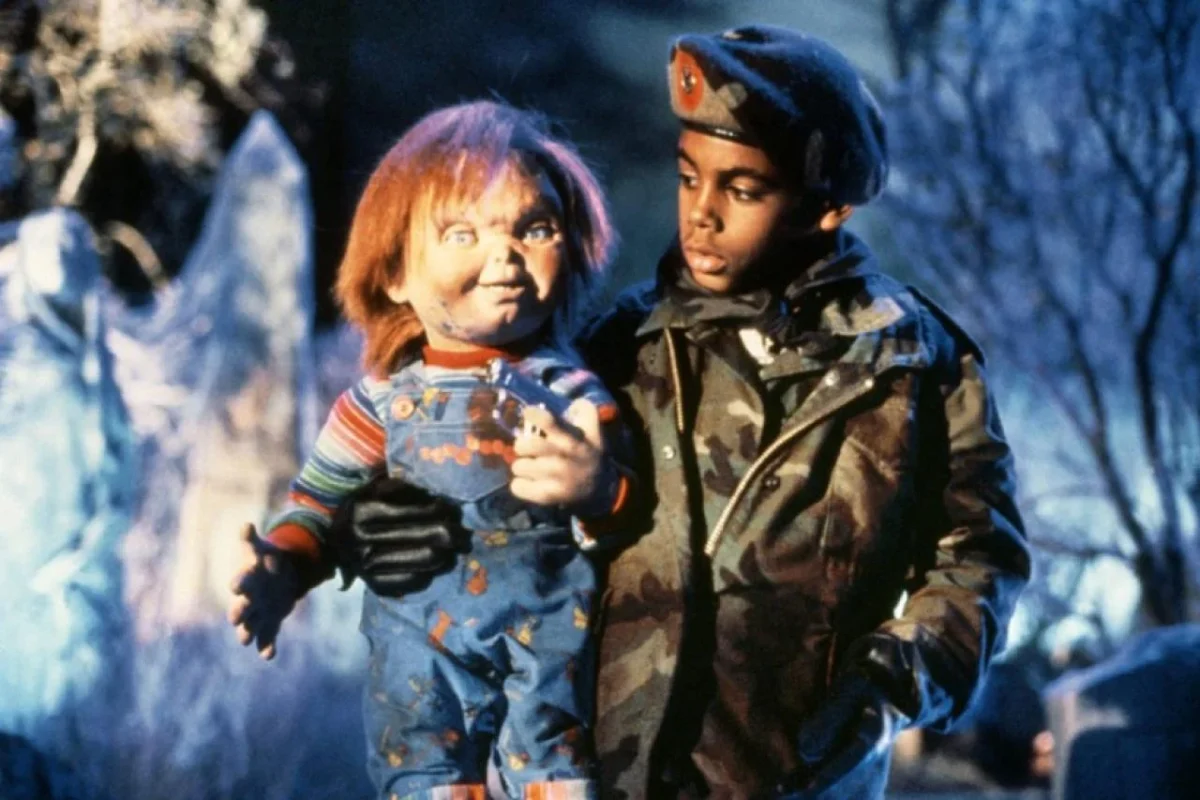
I usually enjoy horror set in predominantly homosocial spaces, so sending Andy to military school seemed like an interesting choice at first, but any potential themes here about social order, conformity, and pushing back against power structures goes underexplored. This is the most visually flat of the Chucky films, which are usually stunning, but this one doesn’t find any life until its final carnival sequence, and by then it’s far too late to transform the film. – KKU
6. Cult of Chucky (2017)
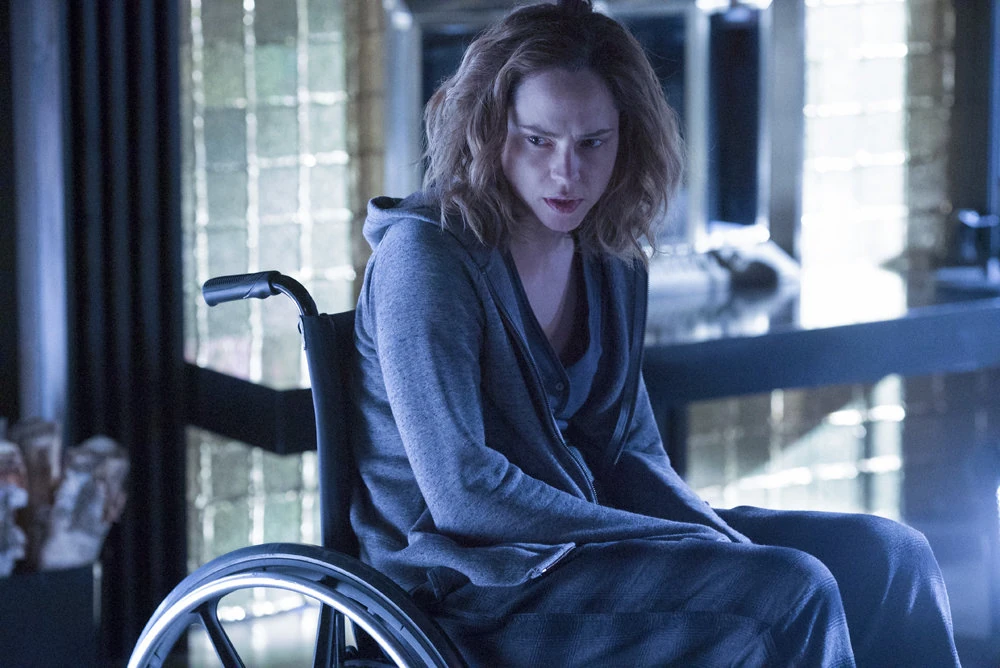
I find this to be the scariest sequel, set predominantly in a mental institution where Curse of Chucky‘s final girl has been placed. There was always something scary about a young boy being manipulated to believe Chucky never existed, but now that this is happening to an adult woman—who is already disbelieved and subjugated as a disabled woman—it’s even more disturbing. There’s also a villain here who out-evils Chucky, making the transgressions of the murder-doll look like, well, child’s play. She’s introduced in Curse of Chucky, but this film solidifies Fiona Dourif as a star on the same level as her Chucky-voicing father. The middle lags, but the final act lands for me, and my main complaint is not getting more of Tilly/Fiona Dourif together on screen. – KKU
5. Curse of Chucky (2013)
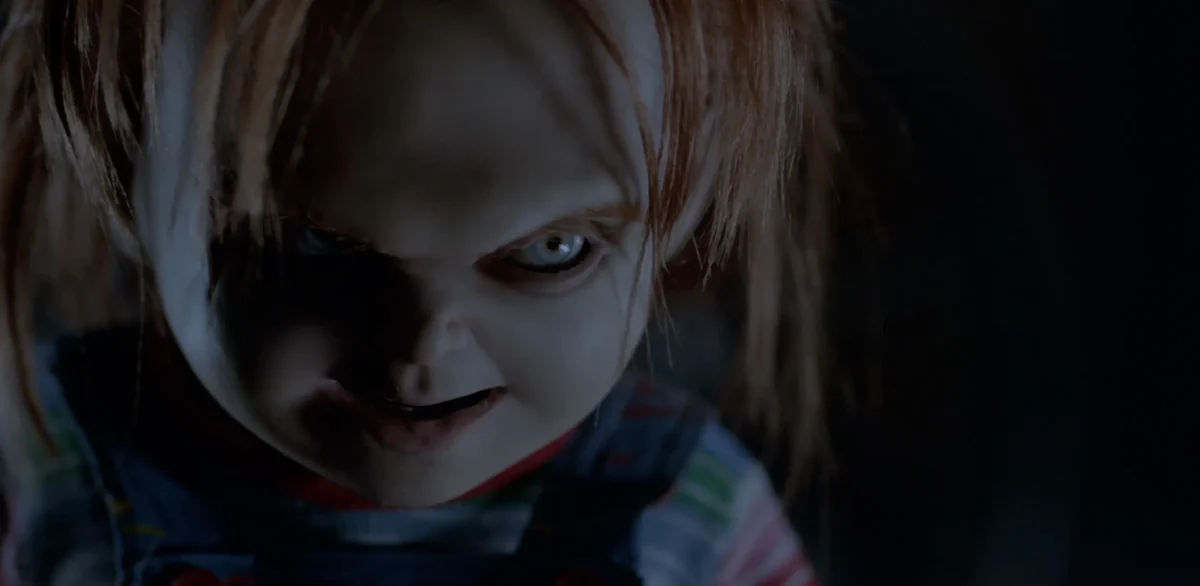
As it attempts to bridge the franchise’s horror roots with its turn toward camp, Don Mancini’s second outing as director is a bit of a mess. But what it lacks in narrative and tonal consistency, it makes up with some great set pieces and one really great idea. This time around, it’s not a child whose autonomy is doubted but an adult disabled woman. Nica is a perfect final girl and the movie is sharp (especially for 2013) in the ways it shows her to be alternately infantilized and villainized. – D
4. Child’s Play 2 (1990)
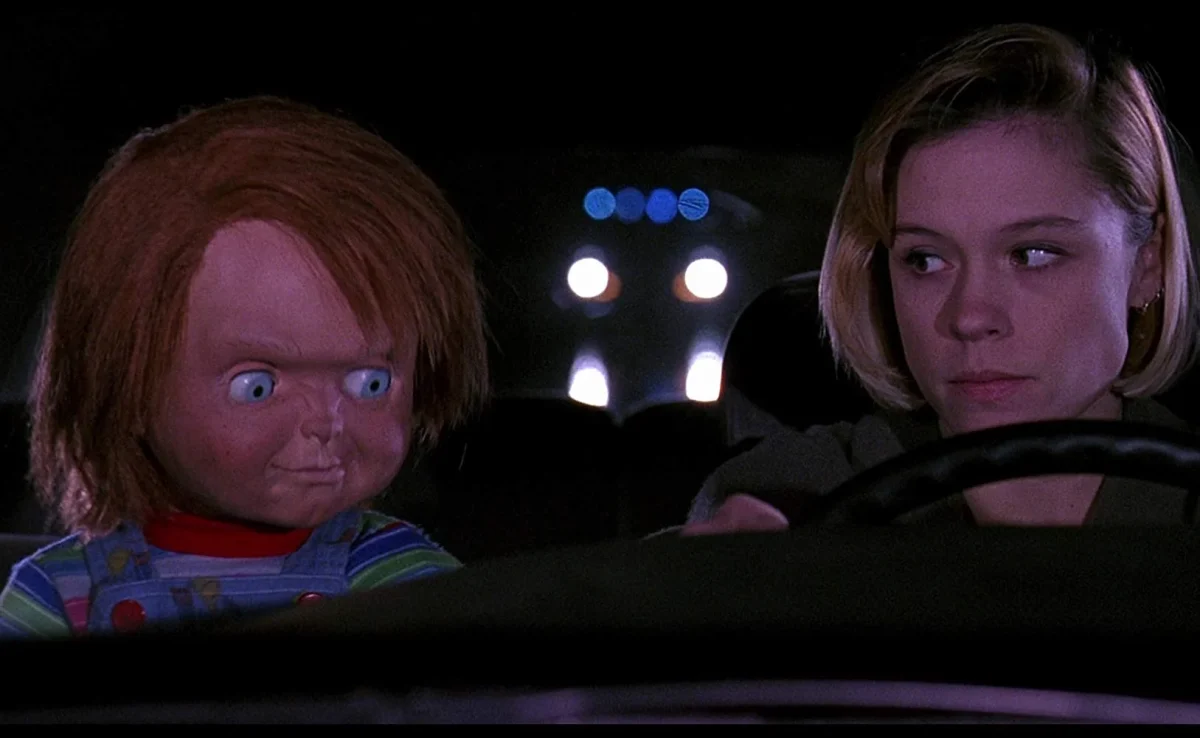
While this first sequel doesn’t have the formal and narrative tightness of its predecessor, its heart and soul are even clearer. Chucky is revived by corporate greed and empowered by our society’s disregard for children, especially those from non-traditional homes. But the kids fight back, and the bond between Andy and his foster sister Kyle is one of my favorite aspects of the whole franchise. Another favorite: the remarkable third act that takes place in a nightmare of a toy factory. – D
3. Child’s Play (1988)
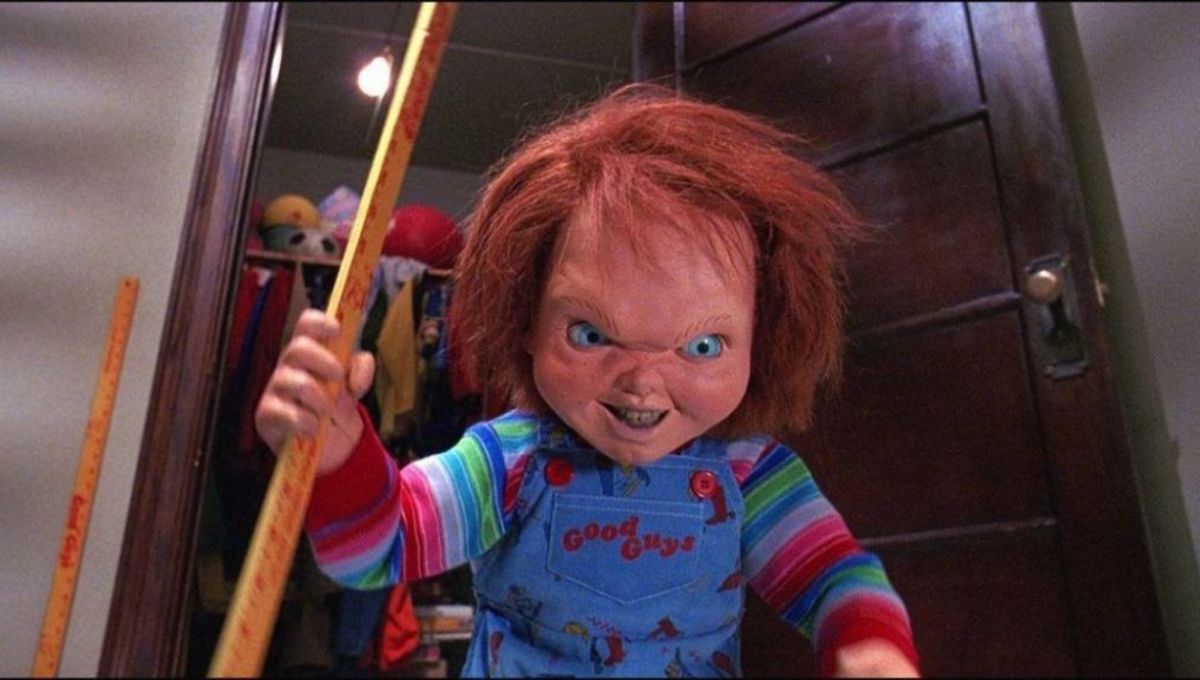
This is the lowest we ended up ranking an original film during this slasher project, and it’s not because it isn’t good! It’s great! But this franchise is unique in its ability to evolve and deliver standout sequels. The original Child’s Play is steeped in the horrors of being a kid and the lack of control that comes with. How can you make adults believe in something that sounds impossible? Child’s Play has a super simple, if silly, concept, but it executes it well. But oh how we never could have known exactly where this franchise would go after these relatively stripped-down (but still stylish) roots. – KKU
2. Bride of Chucky (1998)
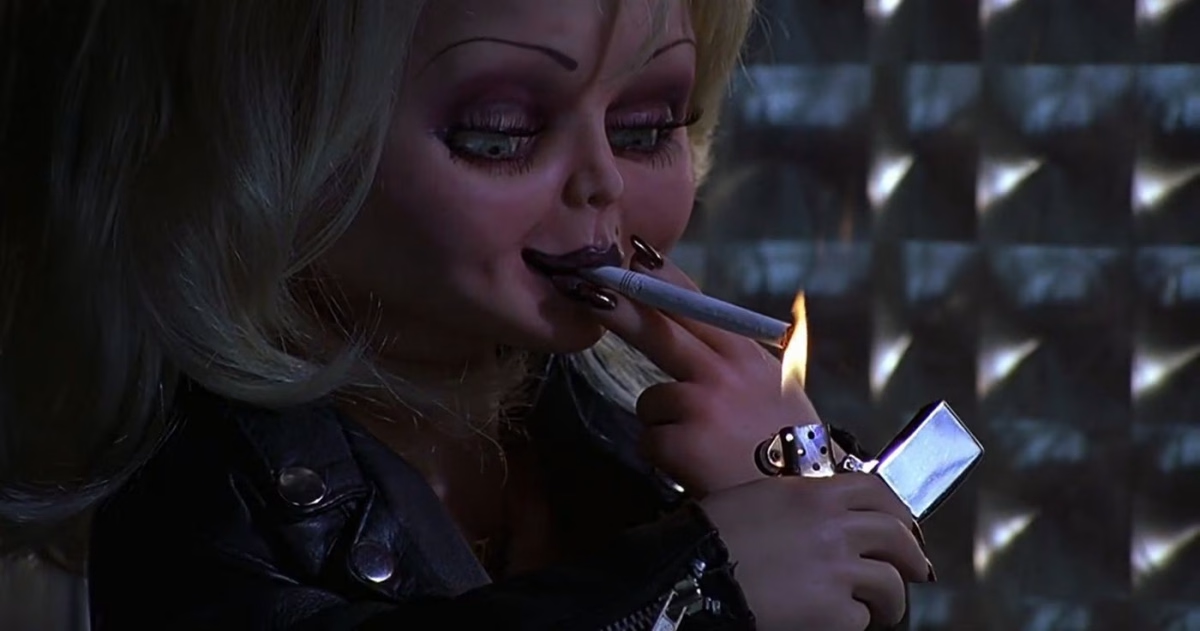
Here we have the franchise’s turning point, where we effectively shift away from a story about adults not believing children and the terror that comes with and to a new kind of horror slasher franchise that…fucks. It’s not horny in the typical way of slashers, which use sex merely as a means to foreplay murder; Bride of Chucky is actually horny and even, at bizarre times, hopelessly romantic, Tiffany Valentine believing in a form of love she knows Chucky cannot give her and yet she cannot help but want from him. Tilly brings so much depth to an otherwise wacky movie, and she makes the tonal dissonances work. People love to place Freddy, Jason, Michael, and Chucky on a horror pedestal, but Tiffany Valentine deserves to be championed as one of the genre’s greatest villains, too, even if she doesn’t get as much screentime as those dudes. – KKU
1. Seed of Chucky (2004)
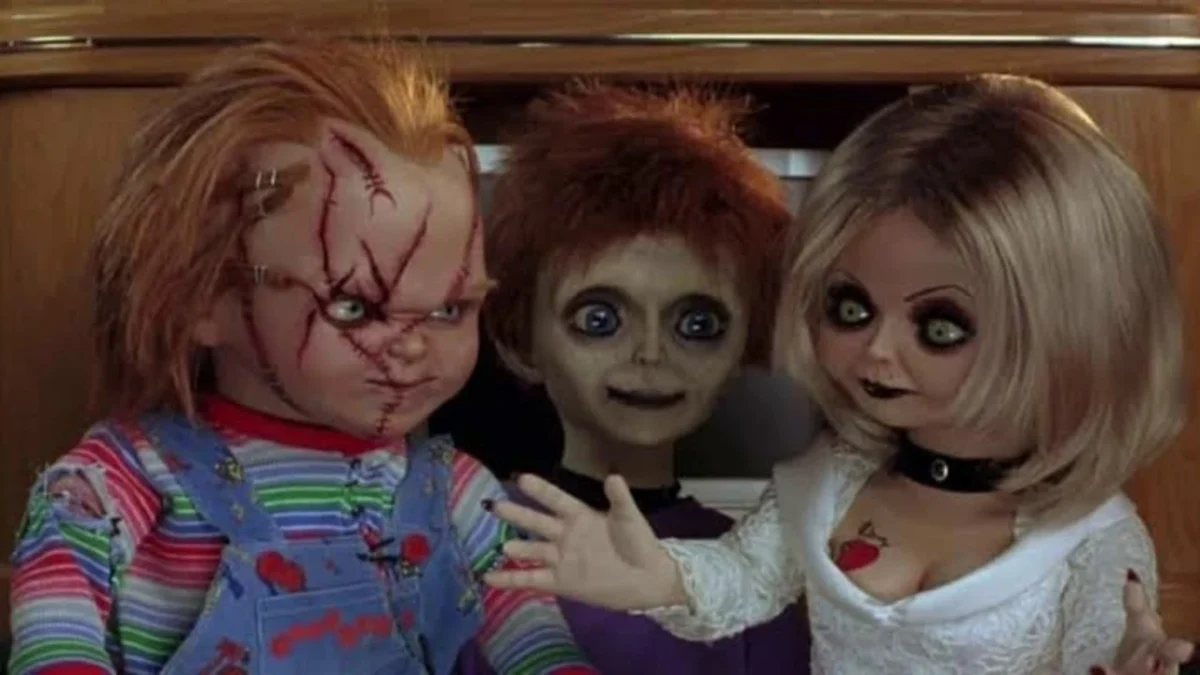
For all its increased comedy and meta Hollywood commentary, the apex of the Chucky franchise is a natural extension of the original tale. What’s harder? Convincing your parents your doll is possessed or convincing your parents their entire understanding of gender is wrong? I love how sincere this film is willing to be in its coming-of-literal-doll tale. It adds balance to all the silliness and mayhem. It’s a better trans story than any of the pre-Tipping Point award-nominated films and none of those starred John Waters, Redman, and two Jennifer Tillys. – D