





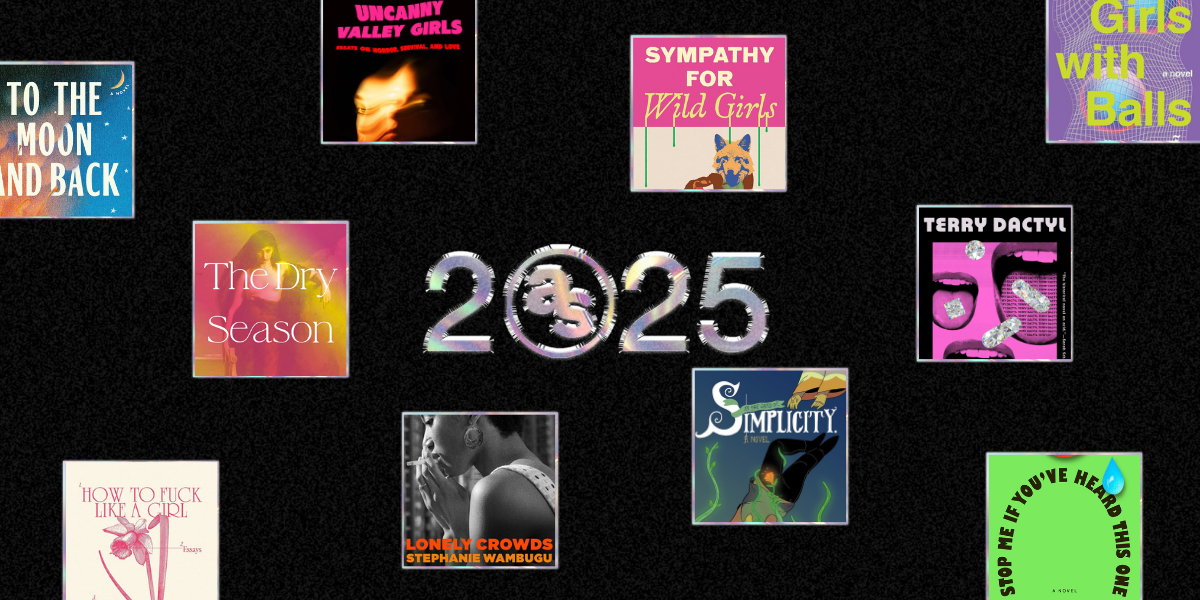
As book bans and other attempts to stifle LGBTQ+ voices and artists blazed across the country, queer and trans authors kept publishing brilliant, challenging, complex, wondrous books. I always feel a bit conflicted saying “it was a great year for queer books!” because it’s difficult to ignore those political underpinnings that are attempting to make it harder and harder for queer and trans youth, in particular, to actually get their hands on books that reflect their communities, identities, and histories. But it was indeed a very good year for queer books across many genres. And every year, we like to celebrate some of the best of the best.
As this list was compiled by two individuals — Riese and myself (Kayla) — it does inherently reflect our individual tastes, which tend to favor adult literary fiction, memoir, short fiction, and (in my case) literary horror. So there are undoubtedly many books missing from this list that you may have loved this year if your tastes and interests diverge from ours. That’s great! Shout them out in the comments, please! Every end-of-year book list put out across every publication, no matter their methods, is subjective in some way.
I hope you will get your hands on the books below. But I also hope you will seek out queer books from this year that didn’t make a million lists! Check out the only other end-of-year book list I enjoy as much as our own, which is LitHub’s 100 Notable Small Press Books. And stay tuned for a list of some of the best queer poetry books put out this year, compiled by someone more suited for the task than Riese and me. It was, despite the right’s attacks, indeed a great year for queer books. The range of the books below reflects some of that greatness.
Stop Me if You’ve Heard This One, by Kristen Arnett
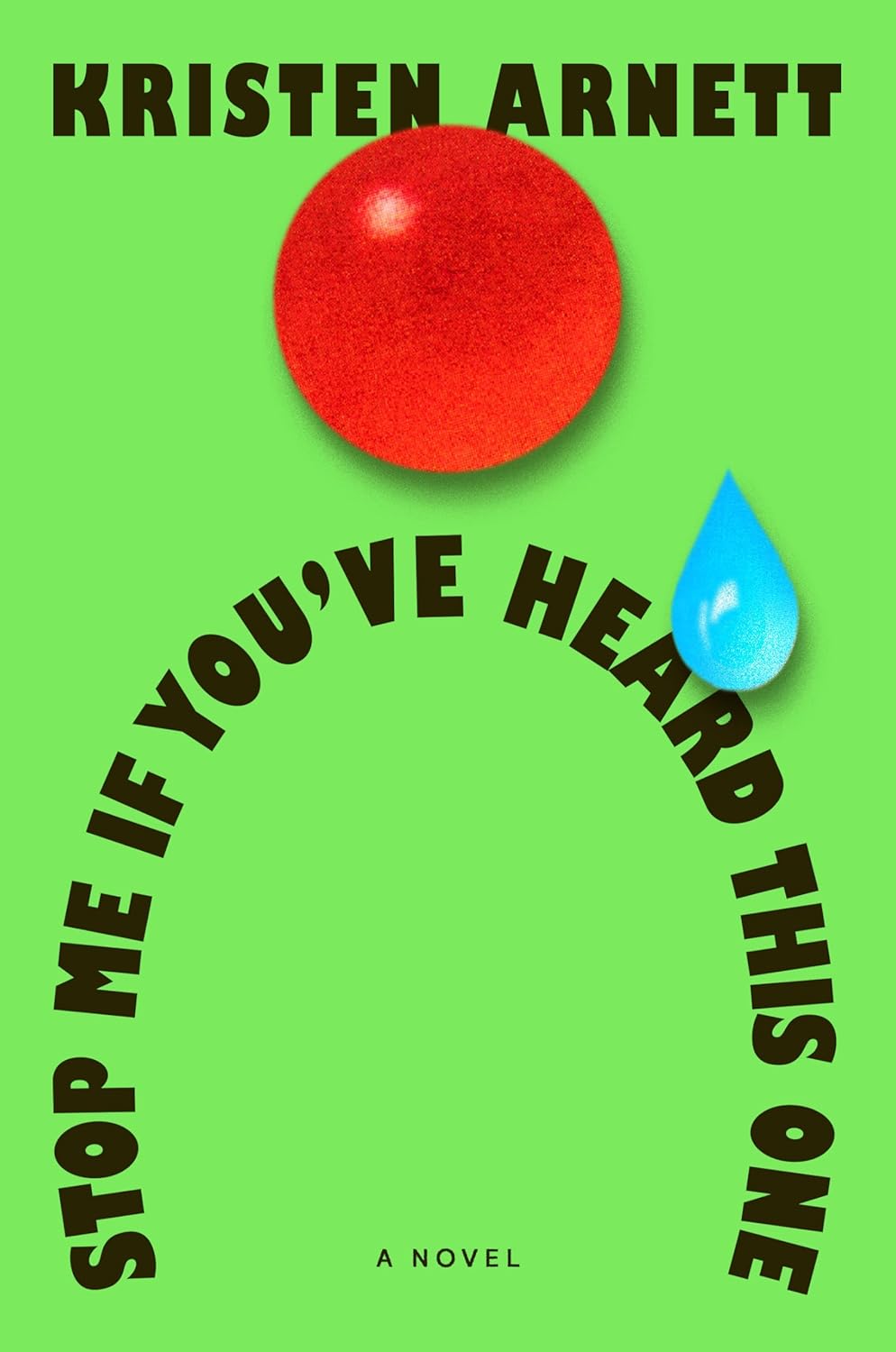
In the interest of disclosure: I am indeed married to the author of this wildly funny novel about the perils and absurdities of being a working artist under capitalism. You may have also heard it described as the “lesbian clown book.” From its opening pages (which feature clownfucking) to its hopeful ending, my wife’s third novel is a delicious feast. There’s a fun lesbian romance (between twentysomething clown protagonist Cherry and a much older magician, Margot the Magnificent. But all the different types of relationships in the narrative are compelling in their own ways, whether it’s the toxic mother-daughter dynamic between Cherry and her also-gay mom or the increasingly fractured but full of love best friendship between Cherry and drummer Darcy. The novel paints a gorgeously messy portrait of the real Orlando, Florida, and if you come to Central Florida only to visit that place with the Mouse, I think you owe it to the many queer artists who live and work here to read a book like this. – KKU
We Could Be Rats, by Emily Austin
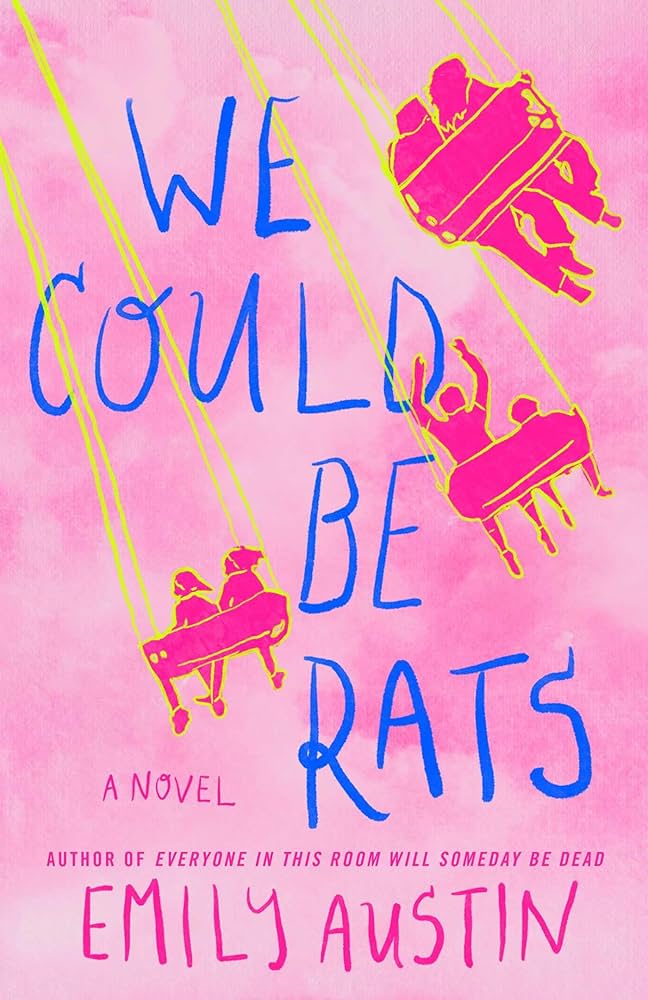
When I recommend this novel to friends I tell them not to give up if they’re not feeling it at first — it takes a minute to figure out what kind of story Emily Austin is telling, but once you do, it’s impossible to put down. Her dark, quirky, twisty novel centers on Sigrid, a disillusioned Dollar Pal employee and high school dropout who resists adulthood, yearns for her best friend Greta, and frustrates her older sister, Magit. It’s a book about sisterhood and trauma and feigned detachment, about being queer and weird in a small town, about the scars we pick at and the ones we learn to stop hiding. – Riese
Spent: A Comic Memoir, by Alison Bechdel
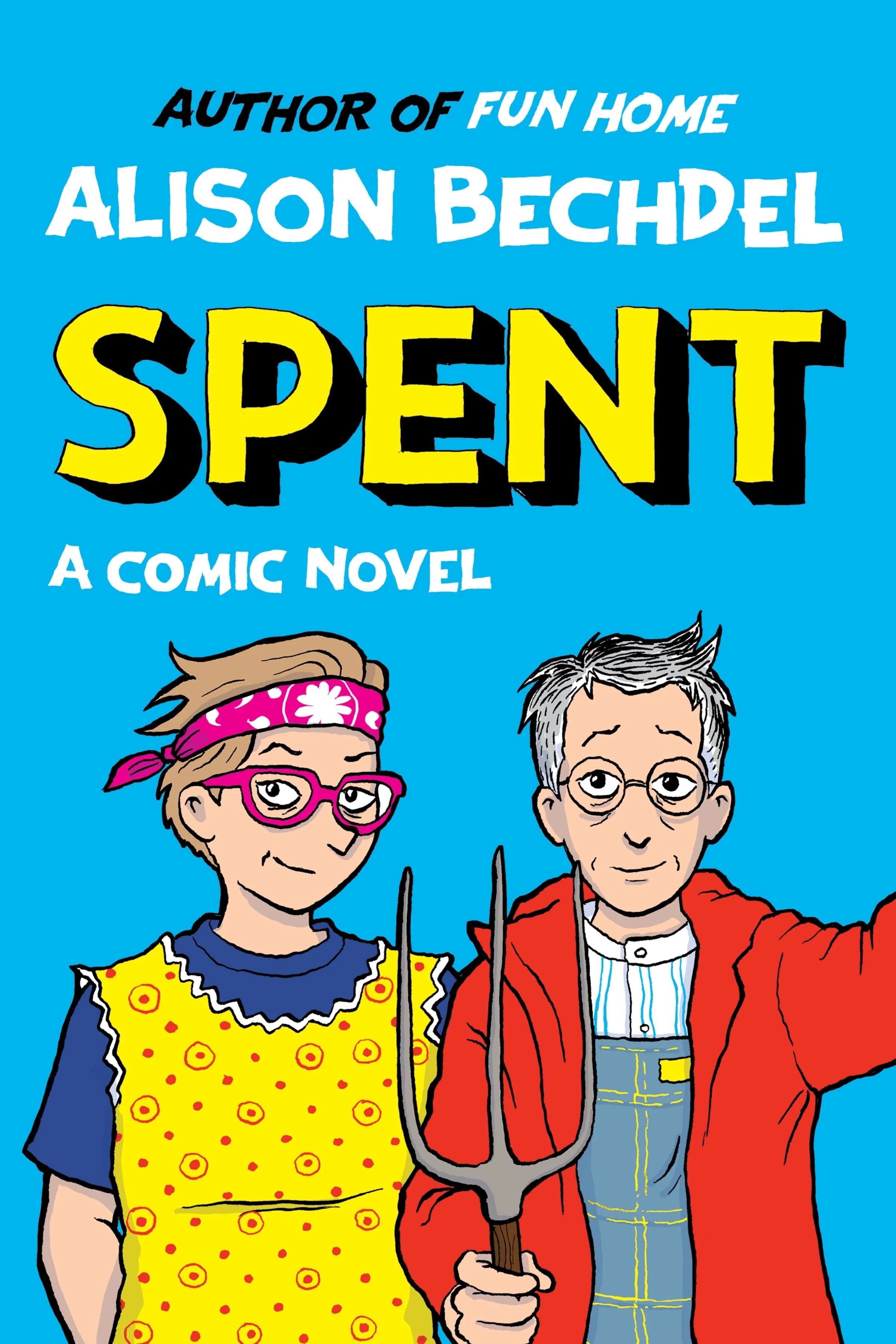
Bechdel is so f*cking good at skewering the politics, privileges, rationalizations and anxieties of Gen X lesbian progressives. This deeply relatable graphic novel follows an artist who runs a pygmy goat farm in Vermont with her wife while struggling with the TV development deal sprung out of her recently bestselling memoir. Favorites from Dykes to Watch Out For return in their middle aged forms. Nobody is spared and everything annoying is very funny. – Riese
Terry Dactyl,by Mattilda Bernstein Sycamore
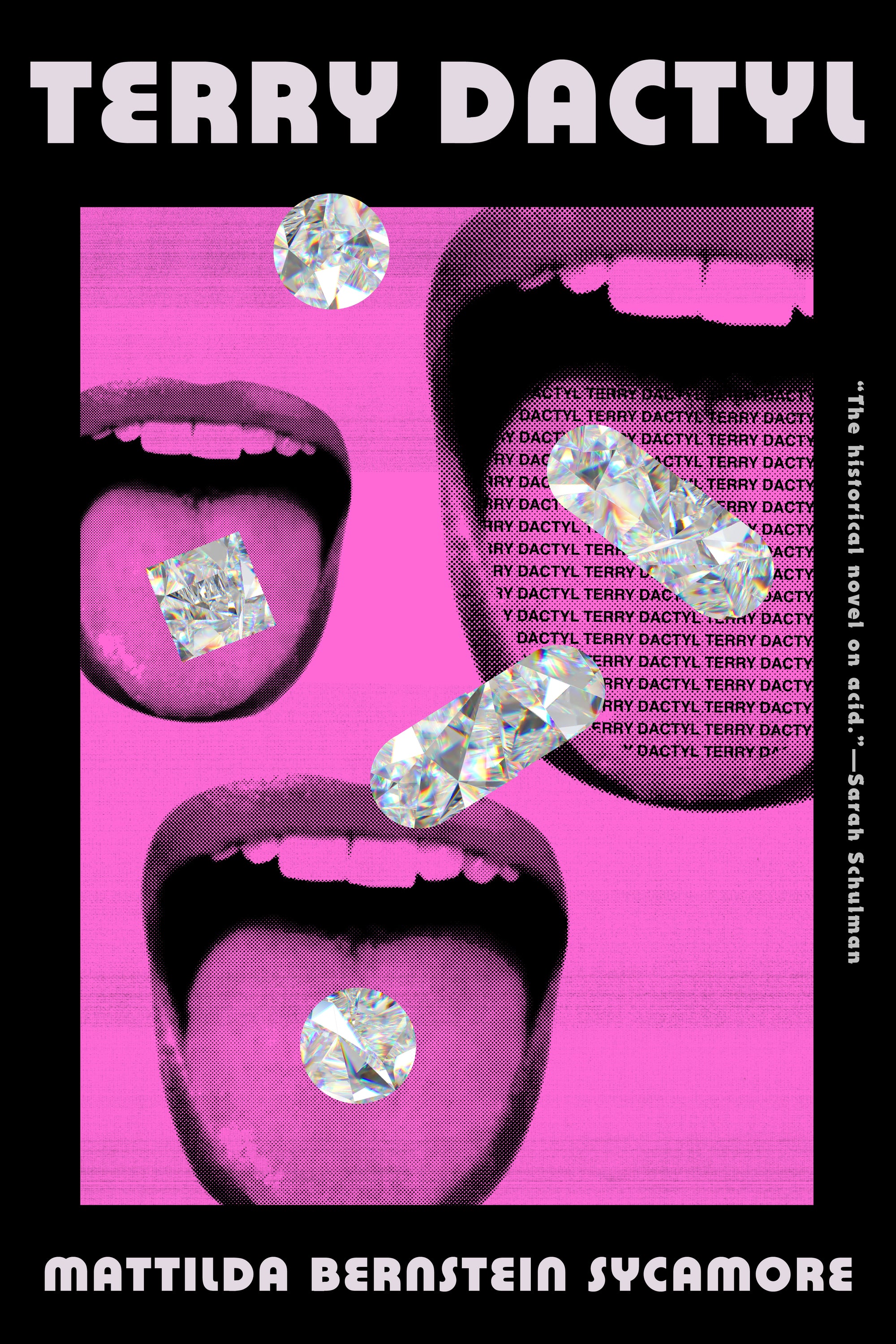
Mattilda Bernstein Sycamore has written some of my favorite LGBTQ+ nonfiction of the past decade, and it was a delight to immerse myself in her novel that came out this year, which draws a direct line between the AIDS crisis to the current Covid-19 pandemic and brings a deep knowledge of queer history to its tale of a young trans girl coming of age in 1980s Seattle, raised by lesbian mothers. The novel follows protagonist Terry to her life of art and partying in NYC when she lands a job at a Soho gallery and then 20 years later during Covid lockdown when she returns to a Seattle changed by the pandemic, gentrification, and mounting resistance movements. I felt a whole slew of emotions while reading this book, but I also laughed out loud. – KKU
How To Fuck Like a Girl by Vera Blossom
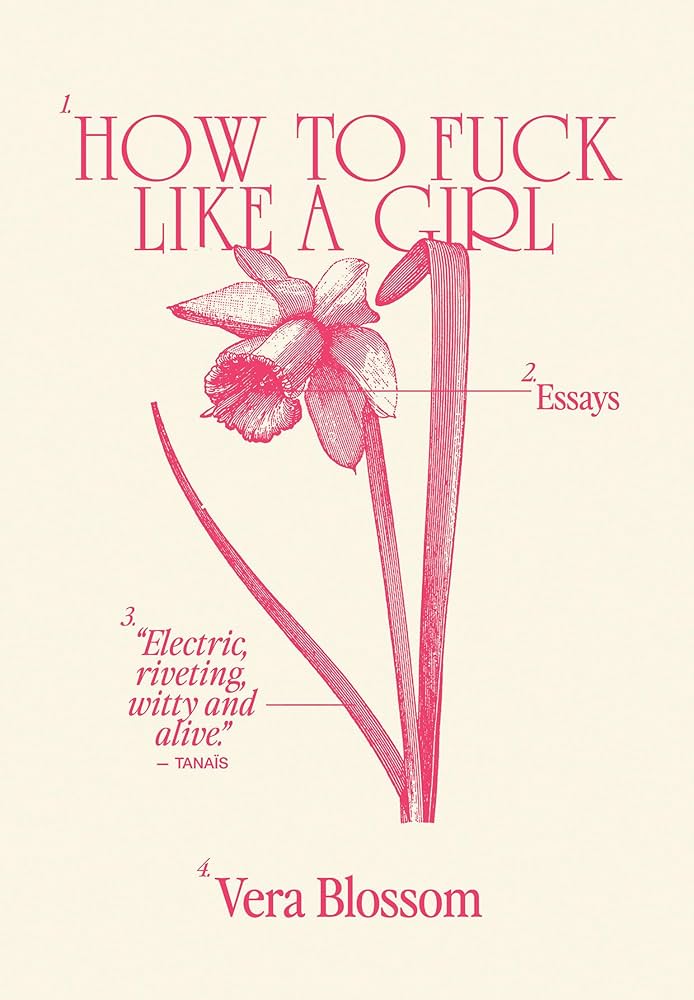
Friendship, fucking, and transfemme experience are all at the heart of this candid and well crafted memoir in essays from one of my favorite young essay writers of the moment. In it, Blossom reimagines beauty and womanhood through a distinctly queer and trans lens. “I don’t want to blend in,” she writes. “I want to be worshipped.” How To Fuck Like a Girl indeed reads like a horny manifesto, one you’ll want to press into the hands of anyone who enjoys queer essays full of humor, erotics, and nuance. It also contains some of the most accurate portrayals of the depth of friendship formed online I’ve ever read. – KKU
Herculine, by Grace Byron
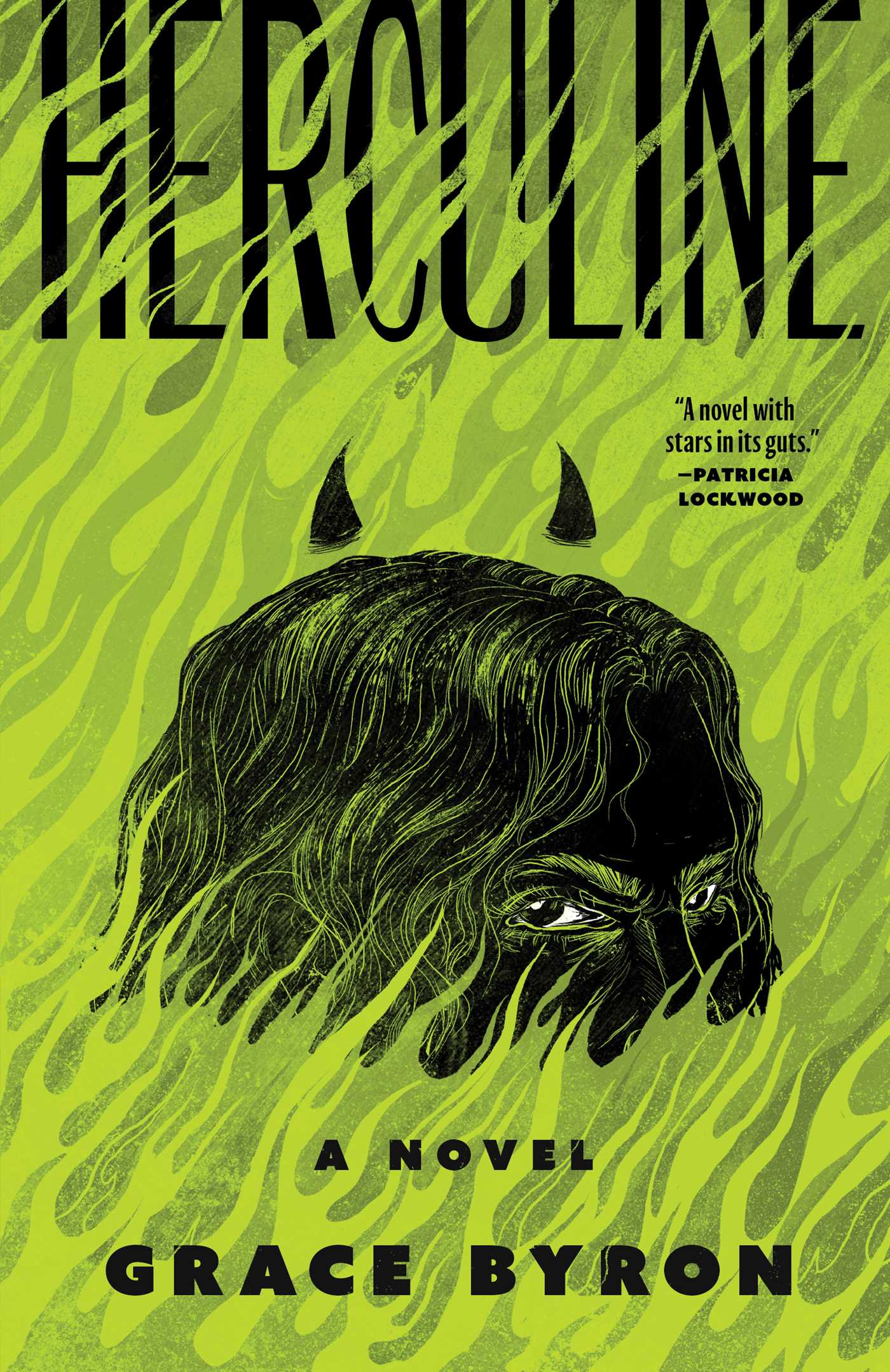
It was a year of great queer folk horror! Herculine takes a pretty familiar premise — young trans woman tries to make it in NYC — and injects it with demons, which function metaphorically and literally. A malevolent presence sends the narrator out of NYC and into rural Indiana where her ex-gf runs a transfemme commune in the woods where things are, of course, a bit strange. Horror — body, psychological, paranormal — ensues. You’re best off going in knowing as little as possible. It’s a guaranteed wild ride, even for those familiar with horror tropes. For those with deep-rooted religious trauma, it’ll cut close to the bone. Its explorations of the long-term impact of attempted conversion therapy are duly haunting. – KKU
The Dry Season by Melissa Febos
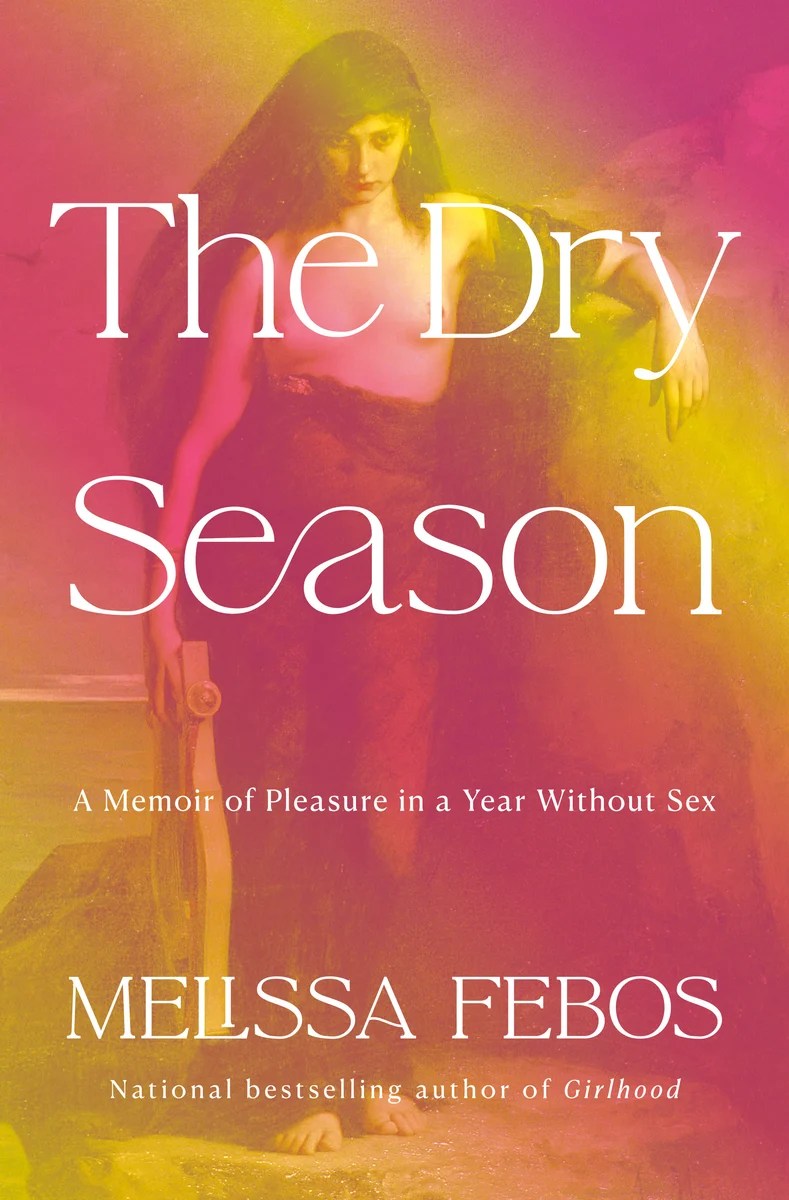
Who knew a book rather pointedly about NOT having sex could be this HOT? Melissa Febos, one of the greatest queer essayists and memoirists of our time, pens an intensely intimate excavation of celibacy. Following a life of romantic relationships that tumble into each other, she made a promise to herself to not have sex and explore her sense of self and priorities in life without continuing to define herself by partnerships. The result is a complex memoir that blends a queering of history with self-reflection and a guide to living a more independent and fulfilling social and creative life. “Celibacy” may conjure feelings of restraint and limitation, but the book explores how decentering partnership can actually create abundance — of love, care, and yes, the erotic. It’s a memoir, not self-help, but I find its teachings more open, honest, and genuinely helpful than any self-help book. – KKU
So Gay For You: Friendship, Found Family & The Show That Started It All, by Leisha Hailey and Kate Moennig
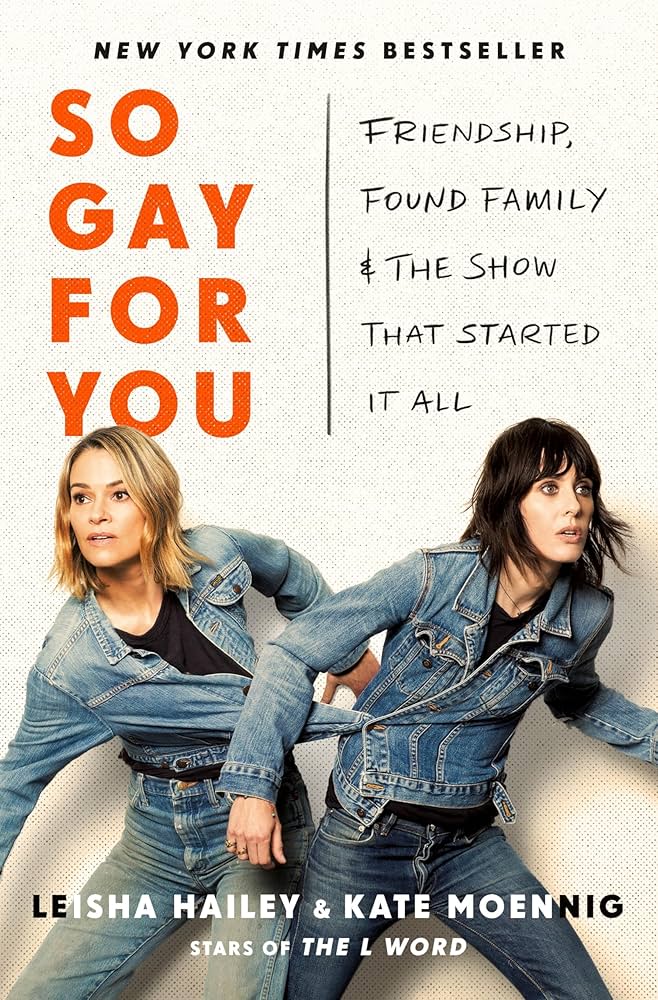
Kate and Leisha’s stories begin far from each other as they each struggle to find themselves as kids and teens who never quite fit the mold, eventually emerging into the creative career paths that led them both to that fateful L Word audition. So Gay for You succeeds in so many ways — as a loving portrait of queer community, as a roaming time capsule of queer pop culture, as a platonic love story, as a behind-the-scenes almanac to a groundbreaking show and as a juicy celebrity memoir. It’s a thoroughly entertaining read, conversational and introspective, full of pain and joy and wit. – Riese
Uncanny Valley Girls: Essays on Horror, Survival, and Love, by Zefyr Lisowski
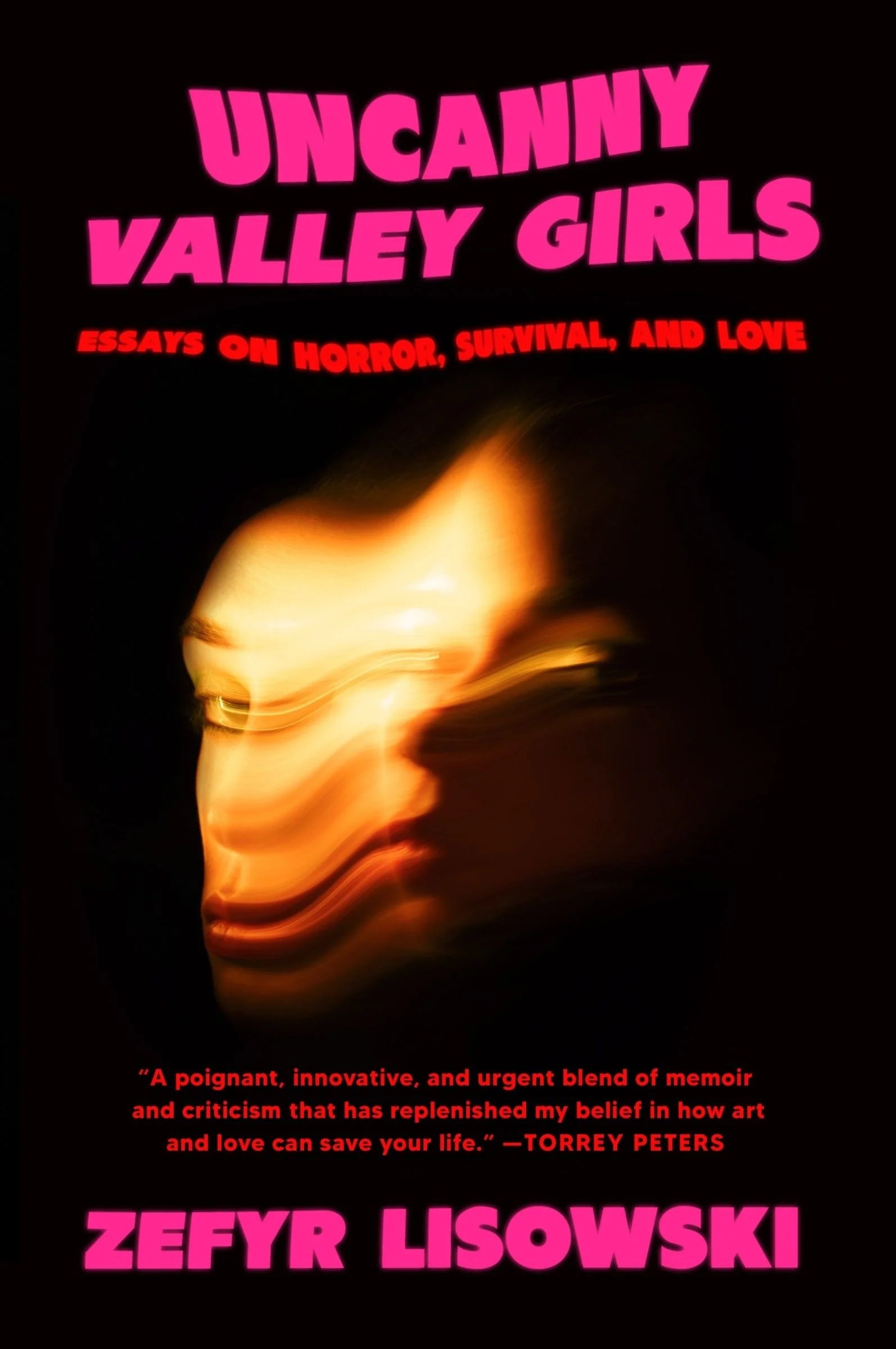
Perhaps even more than queer and trans horror itself, I love engaging with queer and trans criticism and essaywork abouthorror. Mix memoir with that horror criticism, and oh baby you’ve just made KKU catnip. So it should come as no surprise that one of my favorite reads of this fall (and my number one recommendation for queer horror fans for the year) wasUncanny Valley Girls, Zefyr Lisowski’s hybrid work of memoir and horror criticism that feels like an amalgam of a Melissa Febos book and a Carmen Maria Machado book (one of the top compliments I can give a book!). – KKU
Simplicity, by Mattie Lubchansky
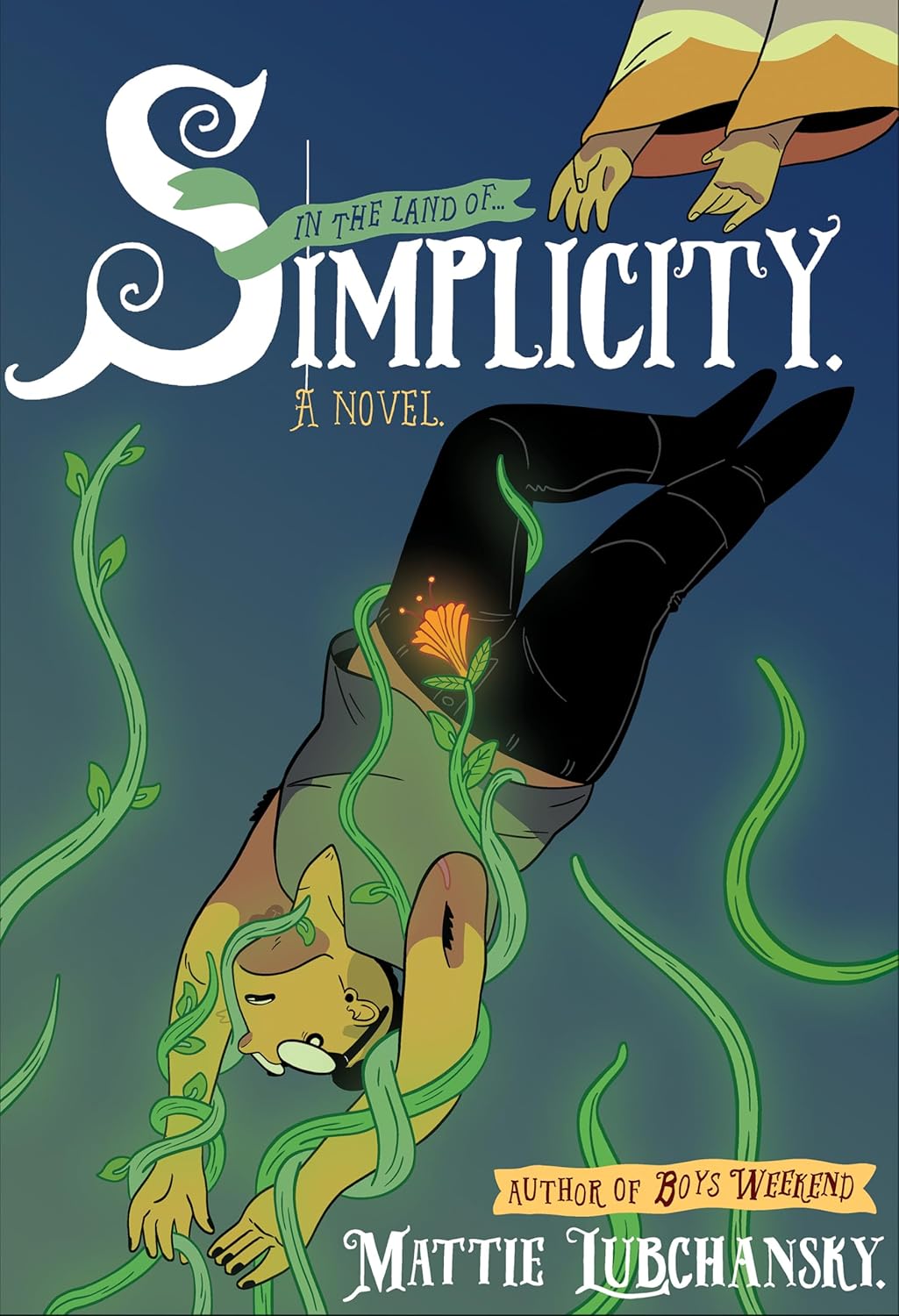
Mattie Lubchansky has penned the horny dystopian horror graphic novel of my dreams with Simplicity, about Lucius, a trans guy in 2081 tasked with studying the mysterious 70s group The Spiritual Association of Peers whose community practices include extreme sex rituals and whose strip of the Catskills was known as Simplicity. Don’t let that title fool you though, for the narrative and plays on the folk-horror genre here are far from uncomplicated. Despite the future setting and speculative nature of the book, Simplicity is the book I read this year that felt most akin to what life feels like in this current moment. – KKU
Sympathy for Wild Girls, by Demree McGhee
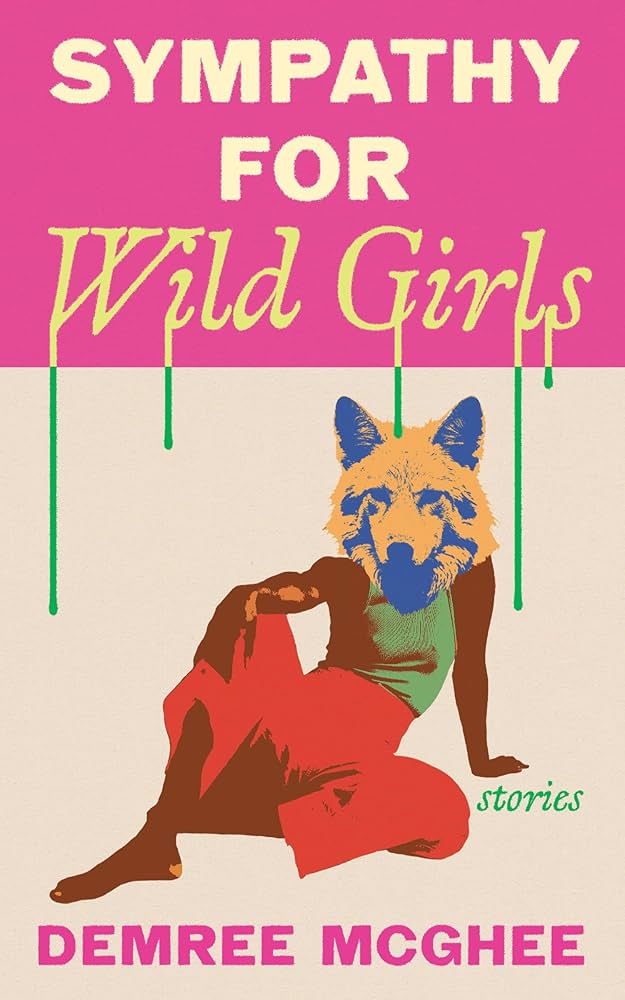
Feminist Press stays putting out some of my favorite queer releases every year, and this Black and queer and feminist short fiction collection is no exception. It lives in the ambivalent and expansive world all my favorite short story collections do in that some stories sit squarely inside of realism while others sit just outside of it, swirling the speculative and the strange into its nonetheless grounded and familiar worlds. It is difficult to pick a favorite story here — they’re all good! — but the one about an adrift woman whose girlfriend dies suddenly in a fire who then begins spending her time practicing reanimating the dead with a child is the one I’ve found myself continually haunted by. The book is full of the kinds of chewy sentences you’ll want to return to. – KKU
Hot Girls With Balls by Benedict Nguyễn
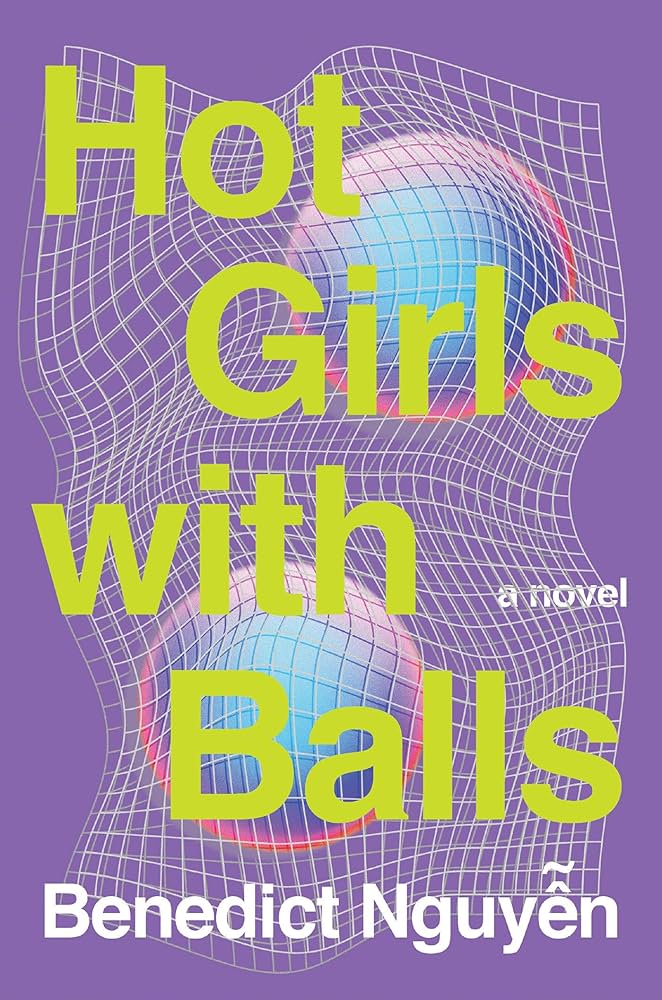
A sharp satire that skewers internet and influencer culture to brilliant effect, Hot Girls With Balls features two gorgeous, tall trans women as its protagonists. Six and Green are on rival teams in the men’s pro indoor volleyball league, but they’re also long-distance girlfriends who mine their relationship for content blasted out live to their Instagraph followers. The humor radiates throughout, but Hot Girls With Balls is also much more than its jokes, and the ways Nguyễn writes bodies, intimacy, community, and her characters’ messiest flaws make for a standout debut. – KKU
Stag Dance, by Torrey Peters
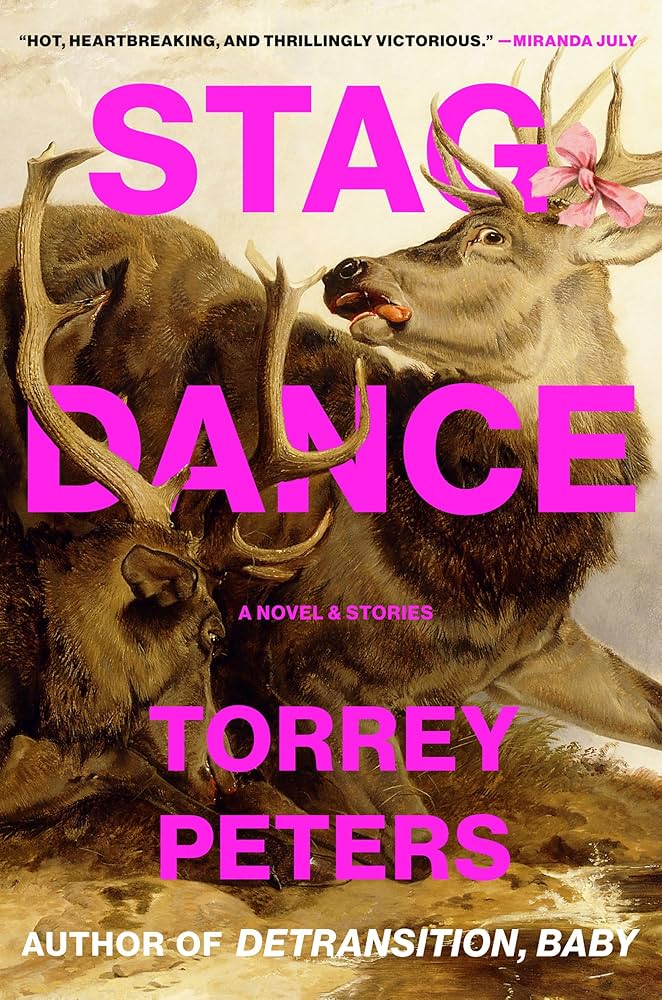
For longtime Torrey Peters fans,Stag Dancefeels like a return to her wild and weird speculative fiction roots. For newer fans, it’s a great introduction to those roots. Detransition, Babyno doubt deserved all the mainstream hype it received, butStag Dancereveals the real depth of Peters’ abilities and her strengths when it comes to crafting compelling stories that are just slightly surreal and strange while still being wholly grounded and rooted in reality. Here’s another one where I recommend going in knowing as little as possible about the stories and novella contained within; let the book seduce and surprise you. – KKU
To the Moon and Back, by Eliana Ramage
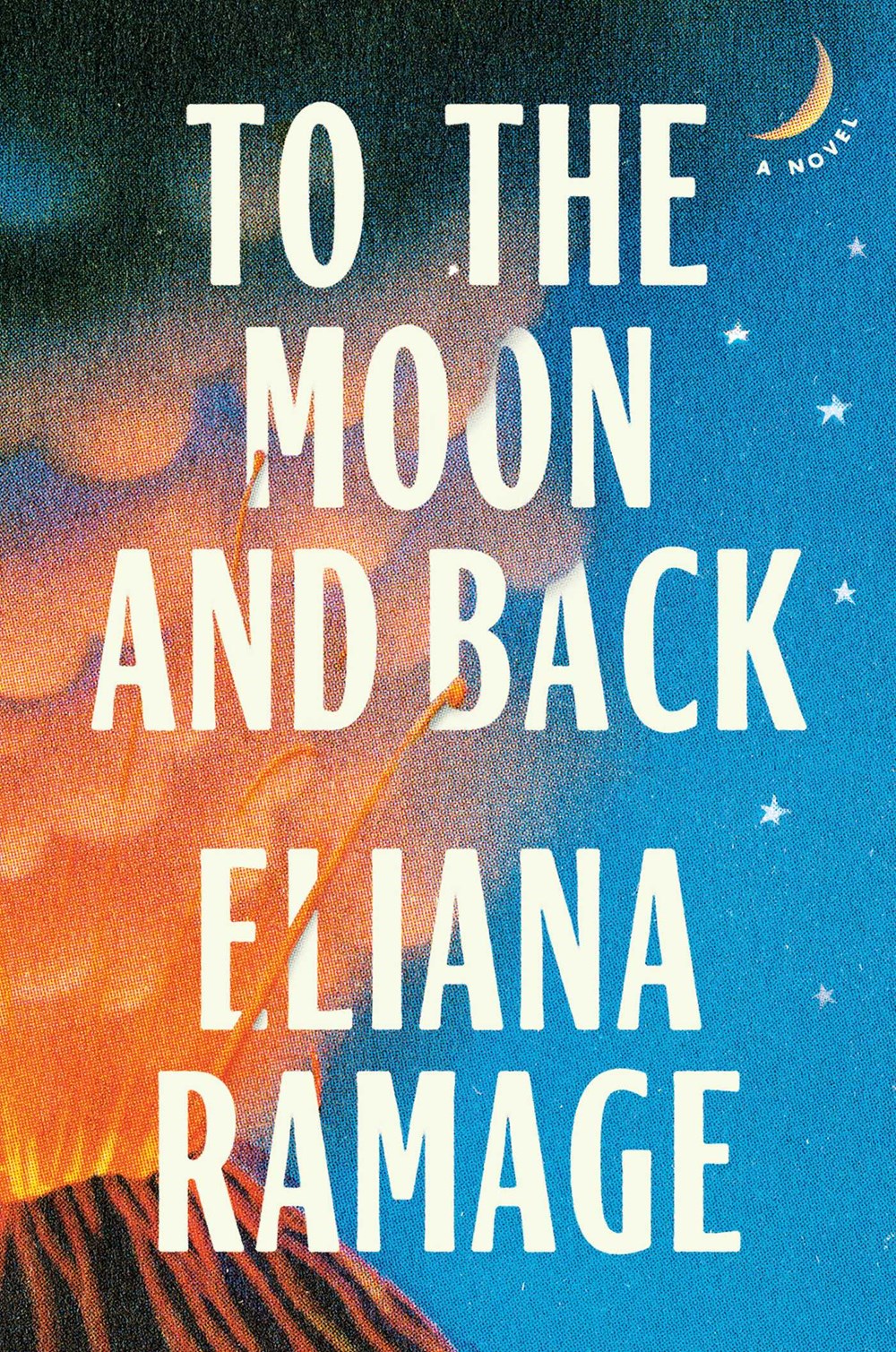
I’ve heard Ramage spent over a decade working on this book, and it shows. It’s structurally impressive, spanning the globe as well as generations. It’s a deeply matriarchal book, telling the stories of several interconnected women in protagonist Steph’s life, including her influencer-artist-activist sister Kayla, her emotionally distant mother who left their abusive father under mysterious circumstances when Steph was a little girl, Steph’s college girlfriend Della who’s caught between her identities as a Cherokee woman who was adopted as a baby by a white Mormon family, and more. Steph is driven by an obsessive, often self-destructive mission to become an astronaut, and one of my favorite things about the book is how this ambition brings out some of her worst qualities. The back-half of the book also unfolds partially in internet ephemera, including dating profiles, messages, and emails. Often, the book seems to be about communication and the ways we mess it up. It’s also smart in its explorations of the mess of family. Trust me, you want to get your hands on this family drama about a fuckboy lesbian astronaut-in-training!!!!!!! – KKU
Woodworking, by Emily St. James
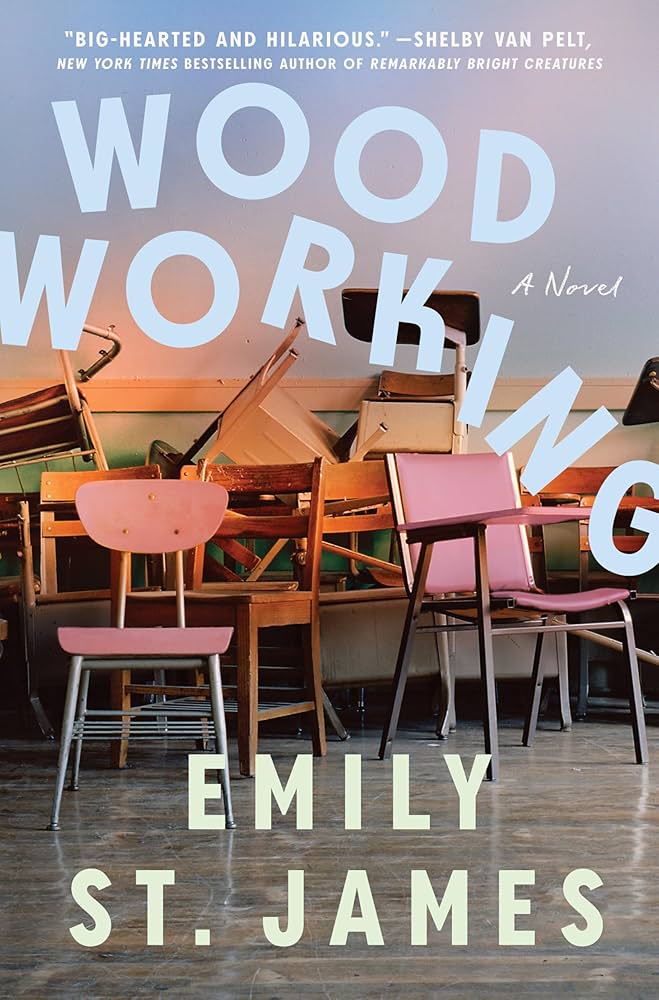
I’ve been a fan of Emily St. James since her earliest TV recapping days and I love an intergenerational queer story and so therefore, surprise, I loved Woodworking. Amy is a 35-year-old English teacher in South Dakota fumbling through coming out as trans to herself and the world, and in doing so attempts to forge a connection with the only other trans woman she knows: her school’s resident rebel loner, the surly 17-year-old Abigail Hawkes. The playout of this unlikely friendship is often funny and often sad but always important, especially in a community so eager to scrutinize and reject. – Riese
Girls Girls Girls, by Shoshana von Blanckensee
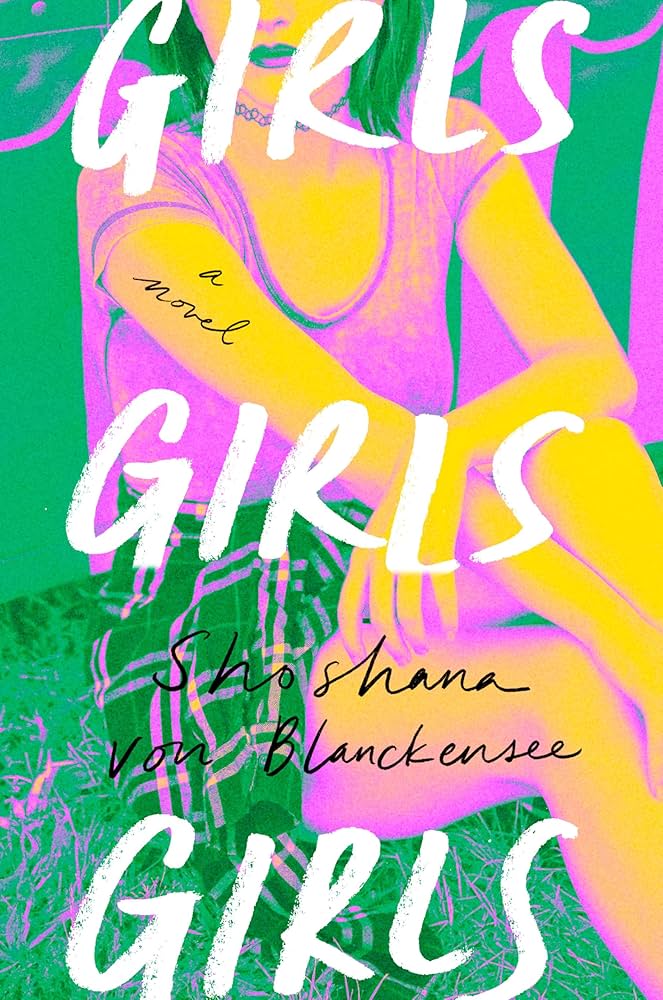
It’s the summer of 1996, and secret girlfriends Hannah and Sam leave their sheltered lives in a tight-knit Jewish community on Long Island to pursue their dreams and desires in San Francisco. They start dancing at a strip club, but Sam takes to it more than Hannah, who eventually meets an older butch who wants to take care of her, resulting in an escort arrangement. The character development of the relationship between Hannah and Sam is so gorgeous and tender and complicated and queer. Though different in many ways, this debut pairs well thematically with the next debut on this list, Lonely Crowds. – KKU
Lonely Crowds, by Stephanie Wambugu
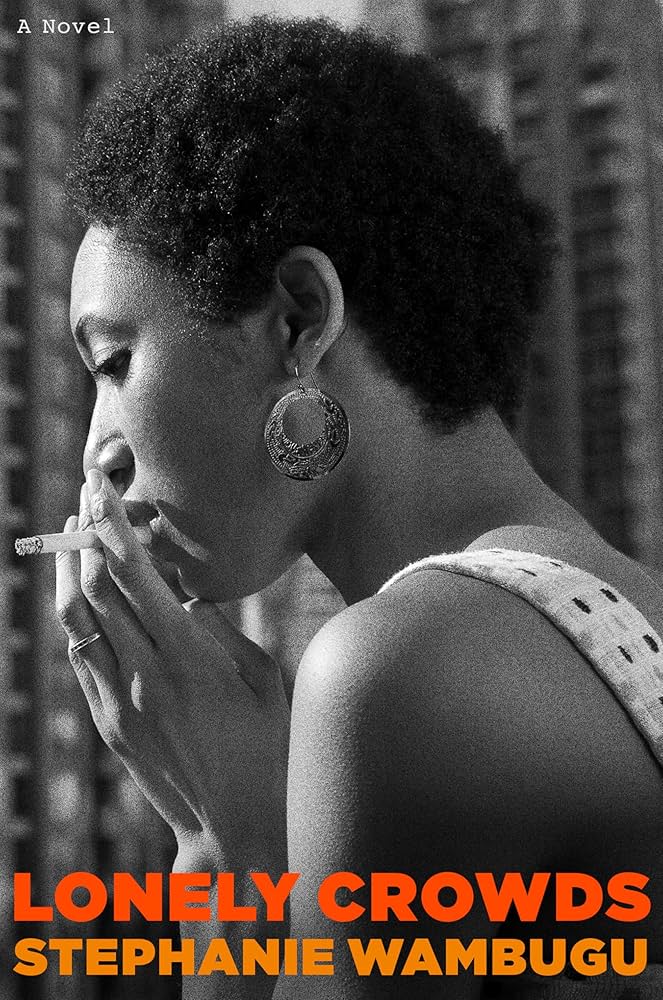
This very queer novel about a toxic friendship between two young female artists starts in their early girlhood and moves through their college days and into adulthood, told through gorgeous prose and with a sharp eye for contradiction that deepens the main characters. Perspective shapes our experience of this novel, as we come to understand Maria through the eyes of Ruth and feel both an intimacy and distance in this point of view. Lonely Crowds is steeped in some of my favorite queer themes, especially in this difficult-to-define relationship dynamic at its center, between the two very different “outsiders” Ruth and Maria. Full of heart and the messiness of desire, ambition, and forging a creative life in difficult circumstances, it’s one of the strongest debuts I read this year. – KKU


Comments
I am SHOCKED so many of these on my to-read and I have only got to one before years end! (STAG DANCE!! The novella was SO DAMN GREAT.)
A/S/L was one that was quite odd for me, as I never got into early computer game, but the themes of constructing a life I thought were really good. Also really liked Disappoint Me, and for lighter fare The Incandescent was incredible fun.
Also want to shout out We Pretty Pieces of Flesh, which I haven’t seen get much American attention, which makes sense – it follows three girls growing up and later (some with queer realisations) but it’s VERY Derby specific, written in slang. But it’s devastating, it’s so good.
Wow, no Marsha by Tourmaline?
What a great list! Spent was one of my favourites this year too, I haven’t read the other ones yet.